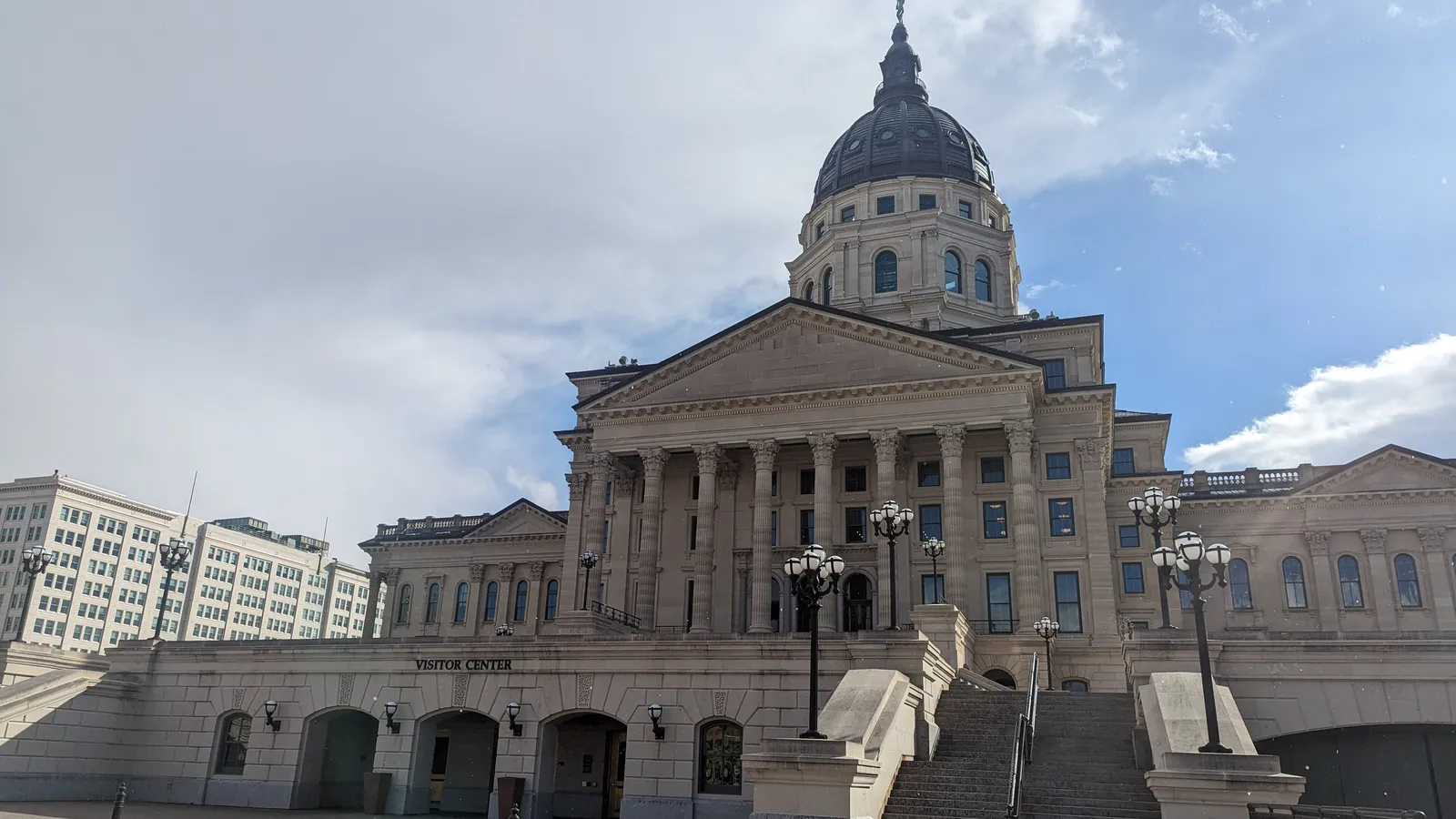
Yes. The CDFI Fund final workbook lists all 53 Kansas Opportunity Zone 2.0 tracts as designated, effective January 1, 2027: 27 Rural and 26 Non-Rural, in 24 counties. Tract 20133951700 is the Neosho County row, and it is Rural.
Updated November 9, 2026. Yes. All 53 Kansas census tracts on the CDFI Fund final Opportunity Zone workbook are designated Qualified Opportunity Zones. Treasury press release sb0682, dated November 5, 2026, is the announcement that goes with that workbook. The designations take effect January 1, 2027. In the workbook’s Rural QOZ column, 27 of the Kansas rows are Rural and 26 are Non-Rural. The 53 tracts are in 24 counties. The national count and the ten-year term are in the final-list story. This article is the Kansas count, the rural split, and one county correction.
What was rechecked. The workbook was checked again on November 9, 2026, against the copy this site uses for the final list. The file is the CDFI Fund download linked from Treasury’s November 5 announcement, checked November 9. Filtering the final_oz2_designations sheet to Kansas returns exactly 53 data rows. Those 53 GEOIDs are unique. Twenty-seven rows are marked Rural and twenty-six are marked Non-Rural. That is the split used below. A county name in this list is the workbook’s county for that GEOID. It is not a claim that a city, a downtown, or a particular address inside the county is designated.
Where the 53 tracts sit. The workbook’s county column puts the 53 tracts in 24 counties. Wyandotte County has 8. Douglas County has 6. Johnson County has 5. Crawford County has 4. Montgomery, Riley, and Shawnee counties have 3 each. Butler, Cowley, Lyon, and Saline counties have 2 each. One tract each is in Atchison, Finney, Ford, Geary, Graham, Leavenworth, McPherson, Neosho, Phillips, Reno, Republic, Sedgwick, and Seward counties. The sortable list of those GEOIDs is Kansas’s census tract list. County pages for the largest counts are Wyandotte, Douglas, Johnson, and Crawford. The state hub is Kansas Opportunity Zones.
Neosho County, not Norton County. The November 5 version of this article named Norton County as one of the counties with a single tract. That was wrong. The CDFI workbook has no Kansas row in Norton County. The tract in that set is 20133951700, in Neosho County. The workbook marks it Rural. Its QOZID is R20133951700-27. Norton County is not part of Kansas’s 53 designated tracts. Anyone who used the November 5 county list should substitute Neosho for Norton and leave the other 23 counties as they were.
What the state commerce page showed on November 9. The November 5 text of this article described a tract table on the Kansas Department of Commerce Opportunity Zones 2.0 page, and it said that page had been updated November 3, 2026. A November 9, 2026 check of the department’s Opportunity Zones page did not show a tract-by-tract list or a count of 53 in the page content. This update does not quote that page. It does not treat the page as the designation record. The designation record is the CDFI workbook cited with Treasury press release sb0682. The earlier, pre-list account of how Kansas expected 53 tracts remains the October story.
How to check a Kansas address. Use the Census Bureau geocoder, choose the current address benchmark, and read the 2020 census tract. Copy the 11-digit GEOID. Compare it with the CDFI workbook or with the Kansas tract list, which is built from that workbook. A single GEOID can also be opened in the tract lookup and on the final-list page. A county name, a city name, or a ZIP code is not a designation. Wyandotte County’s eight tracts do not make every Kansas City, Kansas address designated. Neosho County’s one tract does not make every Neosho County address designated.
What this count is not. A row on the workbook means the tract is designated, effective January 1, 2027. It does not mean a project has been chosen, that financing has closed, or that an investment will happen. This article does not match cities to tracts beyond the workbook’s county field, and it does not say which tracts share a border. For the status of every state, use the OZ 2.0 tracker. Kansas’s own page is the Kansas zone page.
Sources. CDFI Fund final designations workbook, checked November 9, 2026 · Treasury press release sb0682 (November 5, 2026) · CDFI Fund Opportunity Zones page · Census Bureau geocoder · Kansas Department of Commerce Opportunity Zones page, checked November 9, 2026, with no tract list in the page content.
FAQ
Are Kansas’s 53 Opportunity Zone 2.0 tracts designated?
Yes. All 53 appear in the CDFI Fund final workbook published with Treasury press release sb0682 on November 5, 2026. They take effect January 1, 2027.
How many of the Kansas tracts are rural?
27 are marked Rural and 26 are marked Non-Rural in the CDFI Fund final workbook’s Rural QOZ column.
How many Kansas counties have a designated tract?
24. Wyandotte County has 8, Douglas County has 6, and Johnson County has 5. The November 5 text of this article named Norton County. The workbook has no Norton County row. The one-tract county in that slot is Neosho County, GEOID 20133951700, marked Rural, QOZID R20133951700-27.
How do I check a Kansas address?
Use the Census Bureau geocoder to get the 2020 census tract and its 11-digit GEOID, then match that GEOID to the CDFI Fund final workbook or to the Kansas tract list. A county or city name alone does not establish designation.
- cdfifund.gov (1), as of November 9, 2026
- home.treasury.gov, as of November 9, 2026
- cdfifund.gov (2), as of November 9, 2026
- geocoding.geo.census.gov, as of November 9, 2026
- kansascommerce.gov (1), as of November 9, 2026
- kansascommerce.gov (2), as of November 9, 2026
Original reporting by the Opportunity Zone Invest Editorial Team for Opportunity Zone Invest, an independent OZ 2.0 research site. Facts are drawn from the primary sources cited above per our editorial standards. Nothing here is tax, legal, or investment advice. Found an error? See our corrections policy or write to Opportunity Zone Invest.
OZ tools: Opportunity Zone calculator · OZ 2.0 likelihood checker · 180-day rule calculator · Form 8997 instructions · Form 8996 instructions · all tools
Get OZ 2.0 updates
OZ 2.0 news, guidance, and key deadlines. Unsubscribe anytime.