Treasury’s November 5, 2026 final list designates rural Maui census tract 15009031404 and Queens tract 36081017101 as Opportunity Zones effective January 1, 2027. Both appear on the CDFI Fund workbook. Queens was outside earlier eligibility extracts and helps reconcile New York’s 430 designations with an older 429-cap narrative.
Two census tracts that sat outside the earlier federal eligibility extracts many investors still quote are on Treasury’s final Opportunity Zone list. Treasury press release sb0682, dated November 5, 2026, says all 6,576 nominated tracts are designated Qualified Opportunity Zones effective January 1, 2027, including 2,594 rural tracts. The CDFI Fund final designations workbook is the membership file. It includes Hawaii census tract 15009031404 in Maui County (Rural) and New York census tract 36081017101 in Queens County (Non-Rural).
That matters because Opportunity Zone status is a tract-level fact, not a city slogan. If a GEOID was missing from the eligibility workbook you downloaded in April or September, you could miss a designated zone that is now on the final list. The national story is covered in Treasury designates all 6,576 Opportunity Zone 2.0 tracts on its final list. The full designated set is also on our OZ 2.0 final list and map.
Queens: the tract that reconciles 429 vs 430. Empire State Development says New York has designated 430 census tracts for the renewed federal program and links a PDF of those tracts. The PDF includes 36081017101 in Queens County with QOZID N36081017101-27. The CDFI workbook matches that membership: New York has 430 designated rows, 124 Rural, and Queens County has 35 designated tracts including 36081017101 (Non-Rural).
The older “429 cap” narrative came from a 25% ceiling on 1,716 eligible New York tracts. Treasury’s October 30, 2026 eligibility workbook (linked from the Office of Tax Policy data page) lists 1,717 New York tracts with eligible_lic=1. Twenty-five percent of 1,717 rounds up to 430. Tract 36081017101 is one of those October-eligible rows. It does not appear in the earlier Rev. Proc. 2026-14 / September 23 eligibility extract that still shows 1,716 New York eligibles on many public trackers. In other words, the “extra” designated tract and the extra eligible tract are the same GEOID problem, not a free-floating over-cap designation.
A named address inside the Queens tract: the Census Bureau geocoder matches 29-01 Skillman Avenue, Long Island City, NY 11101 to GEOID 36081017101. That is a check on the tract boundary, not a project claim. Queens context and the borough’s designated set are on our Queens city page and the New York Opportunity Zones hub. Use the tract lookup or OZ 2.0 tracker before treating any parcel as in-zone.
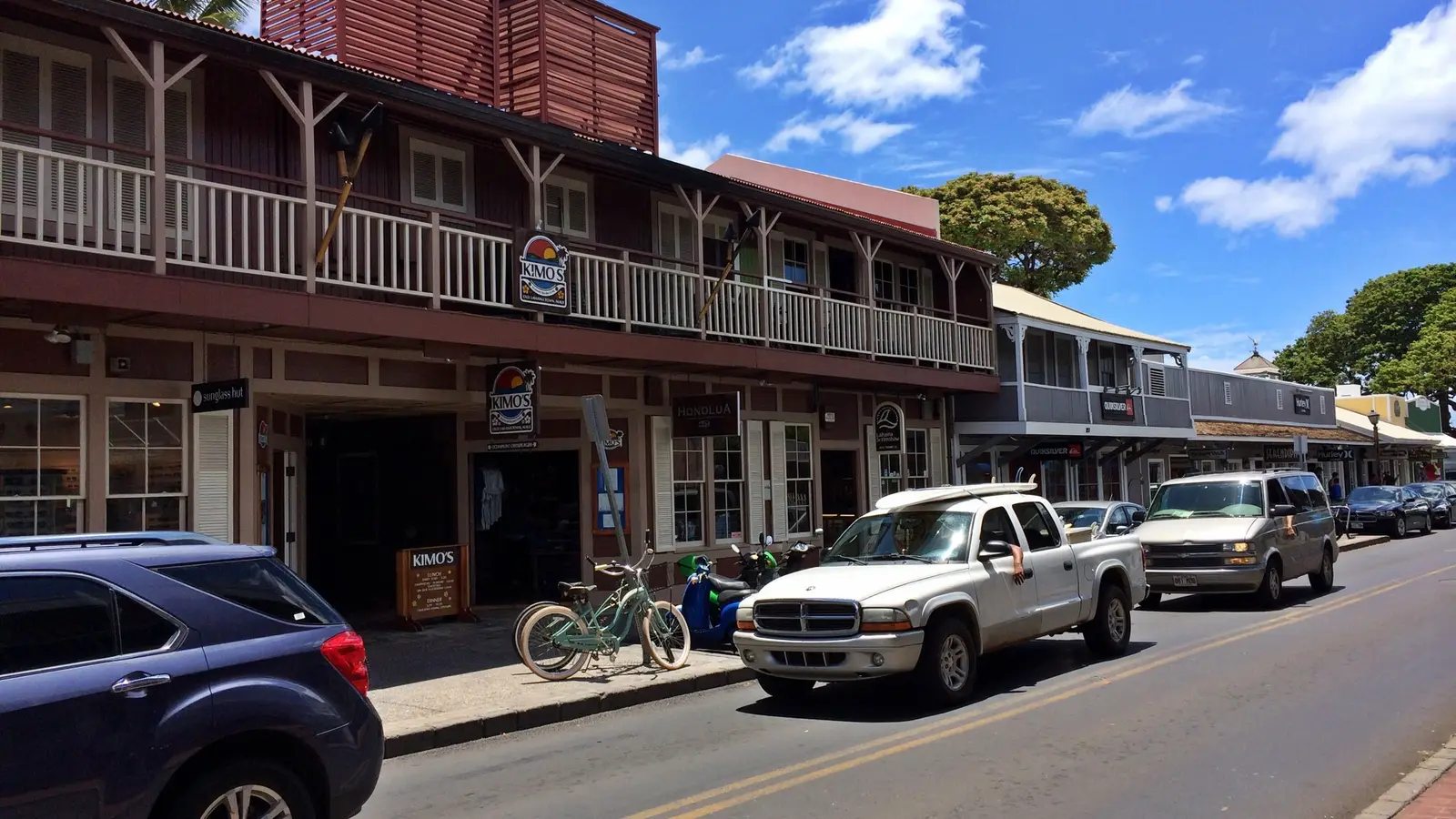
Maui: rural Lahaina Front Street. On the same CDFI workbook, Hawaii has 25 designated tracts and eight Rural rows. Maui County has exactly two designated tracts: 15009030306 and 15009031404, both Rural. Tract 15009031404 carries QOZID R15009031404-27. The Census geocoder matches 648 Front Street, Lahaina, HI 96761 to that GEOID. Treasury’s October eligibility workbook marks 15009031404 with eligible_lic=1 and rural_status=1 (and flags temp_displacement_elig=1 on that row).
Local reporting fills in how Hawaii described the pick, without replacing the federal file. Maui Now published Governor Josh Green’s November 5, 2026 announcement of 25 statewide designations, including “Lahaina Front Street (Lahaina)” as tract 314.04, and reported that the tract “was not originally eligible” and that the state “secured its designation through an appeal to the U.S. Department of the Treasury.” That is a secondary account of Hawaii’s process. The designation fact for investors is still the CDFI row: 15009031404, Rural, effective January 1, 2027. Hawaii’s state economic-development page for Opportunity Zones is at invest.hawaii.gov; our statewide hub is Hawaii Opportunity Zones.
What sb0682 actually says about additions. Treasury’s release recounts the April 6 list of 25,332 eligible tracts, then says an additional 130 eligible tracts were nominated during the statutory window, and that 6,576 nominated tracts in total—2,594 of them rural—have been designated. It does not publish a GEOID-level annex of which of those 130 are which. The October eligibility workbook’s national eligible_lic=1 total is 25,462, which is the current eligibility denominator to cite. Keep the April 25,332 figure as a baseline only; it is not the current eligible total.
None of this is a building permit, a fund commitment, or a return projection. Designation means the tract is on the QOZ map beginning January 1, 2027. Capital still has to clear ordinary tax, title, land-use, and fund rules. For address-level checks, start with the Census geocoder, then confirm the GEOID on the CDFI workbook or our Maui tract map link and Queens tract map link.
FAQ
Are Maui tract 15009031404 and Queens tract 36081017101 designated?
Yes. Both GEOIDs appear on the CDFI Fund final OZ 2.0 designations workbook. Maui County 15009031404 is Rural (QOZID R15009031404-27). Queens County 36081017101 is Non-Rural (QOZID N36081017101-27). Treasury press release sb0682 says the designations take effect January 1, 2027.
Why do some New York counts say 429 and others say 430?
Empire State Development and the CDFI workbook both show 430 designated New York tracts. An older 25% cap of 429 came from 1,716 eligible tracts. Treasury’s October 30, 2026 eligibility workbook lists 1,717 New York tracts with eligible_lic=1, and 25% of 1,717 rounds up to 430. Census tract 36081017101 is on that October workbook and on the designated list.
Is the Maui Lahaina Front Street tract rural?
Yes. On the CDFI Fund final workbook, 15009031404 in Maui County is marked Rural. The Census Bureau geocoder matches 648 Front Street, Lahaina, HI 96761 to that GEOID. Hawaii has 25 designated tracts statewide, eight of them Rural.
Were these tracts on earlier federal eligibility extracts?
Queens 36081017101 does not appear in the earlier Rev. Proc. 2026-14 / September 23, 2026 eligibility extract commonly cited for New York’s 1,716 eligible tracts. It does appear with eligible_lic=1 on Treasury’s October 30, 2026 eligibility workbook. Maui 15009031404 is eligible on that October workbook (rural_status=1) and is designated Rural on the CDFI final file. Local Hawaii reporting said Lahaina’s Front Street tract was not originally eligible and that the state secured its place through an appeal to Treasury; designation facts still come from the CDFI workbook and sb0682.
How do I confirm an address in these tracts?
Use the Census Bureau geocoder to get the census tract GEOID, then check that GEOID on the CDFI Fund final designations workbook or our tract lookup and map. Example matches: 648 Front Street, Lahaina, HI 96761 → 15009031404; 29-01 Skillman Avenue, Long Island City, NY 11101 → 36081017101.
- home.treasury.gov (1), as of November 6, 2026
- cdfifund.gov (1), as of November 6, 2026
- cdfifund.gov (2), as of November 6, 2026
- home.treasury.gov (2), as of November 6, 2026
- home.treasury.gov (3), as of November 6, 2026
- esd.ny.gov (1), as of November 6, 2026
- esd.ny.gov (2), as of November 6, 2026
- invest.hawaii.gov, as of November 6, 2026
- geocoding.geo.census.gov, as of November 6, 2026
- mauinow.com, as of November 6, 2026
Original reporting by the Opportunity Zone Invest Editorial Team for Opportunity Zone Invest, an independent OZ 2.0 research site. Facts are drawn from the primary sources cited above per our editorial standards. Nothing here is tax, legal, or investment advice. Found an error? See our corrections policy or write to Opportunity Zone Invest.
OZ tools: Opportunity Zone calculator · OZ 2.0 designation checker · 180-day rule calculator · Form 8997 instructions · Form 8996 instructions · all tools
Get OZ 2.0 updates
OZ 2.0 news, guidance, and key deadlines. Unsubscribe anytime.