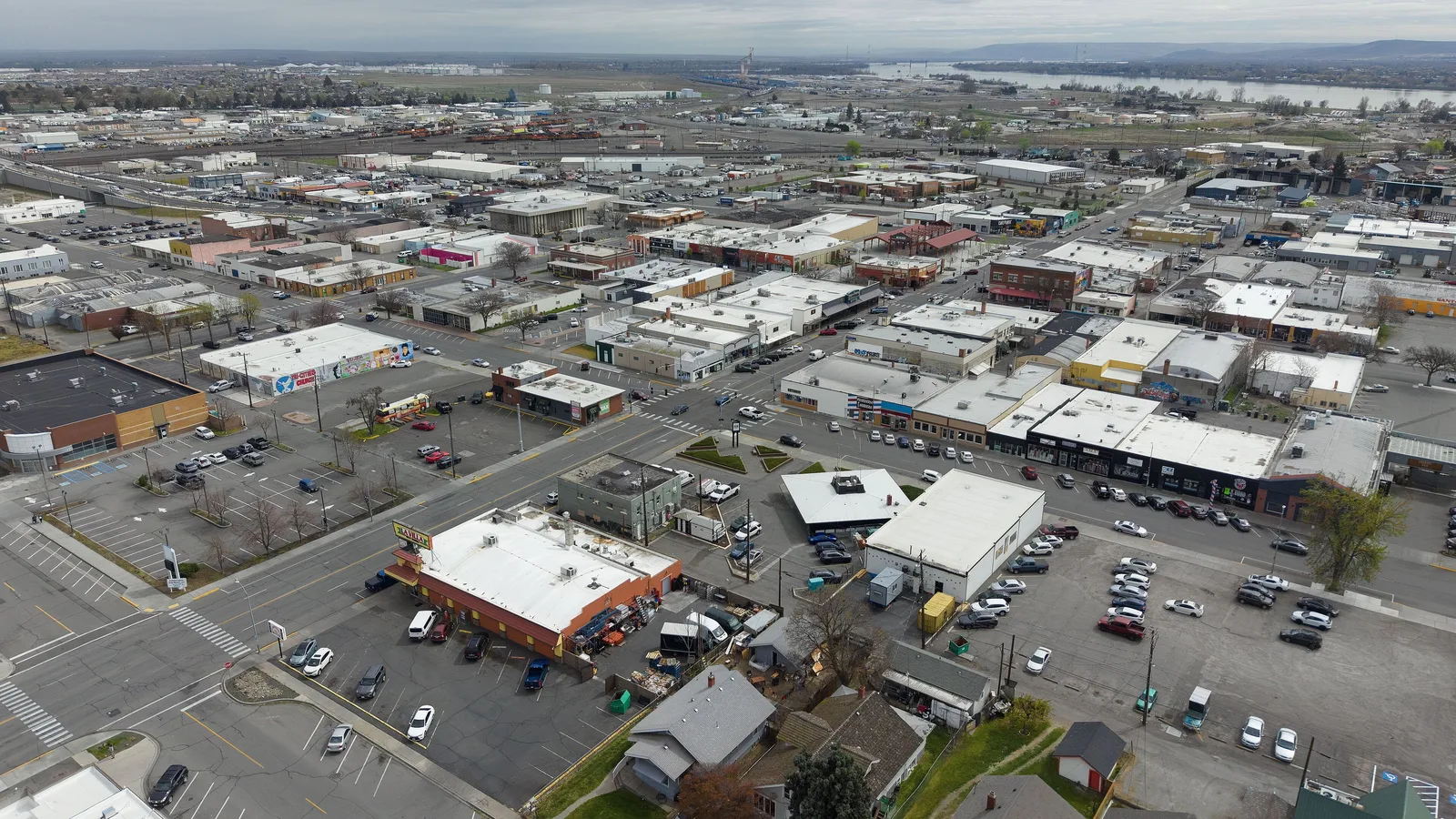
Franklin County, Washington, had 12 census tracts that qualified for the 2027 Opportunity Zones, 11 of them in Pasco, and none is on Treasury’s final list. OZI ranked counties of at least 50,000 people by eligible tracts left without a zone. The ten had 92 eligible tracts and no designations. Each state could pick only about a quarter of its eligible tracts, and here is where those picks went instead.
PASCO, Wash. — Eleven census tracts inside the city of Pasco qualified for the next round of Opportunity Zones. None of them made the map. Treasury’s final list of designated tracts, published with its November 5 announcement, includes no tract in Franklin County, Washington, even though the county had 12 tracts that met the federal income and poverty tests in Treasury’s eligibility file. Twelve eligible tracts with zero designated is the largest gap of any county outside Texas with at least 50,000 residents.
Pasco, a city of 82,848 people in 2025 by the Census Bureau’s estimate, is the county seat and the Franklin County half of the Tri-Cities. The Port of Pasco says Darigold’s 500,000-square-foot dairy plant at its Reimann Industrial Center opened in July 2025 with about 200 direct jobs, and that an Amazon delivery station that opened in 2025 supports 150. The port’s Opportunity Zone page still points investors to its first-round zone, listing Osprey Pointe, the marine terminal, downtown Pasco, Commercial Avenue and Heritage Industrial Park. That 2018 zone stays in effect through December 31, 2028. From January 1, 2027, there will be no new one alongside it.
Lead photo: Downtown Pasco, Washington, in March 2026. Eleven of Franklin County’s 12 eligible tracts are inside the city; none was designated for 2027. Credit: Quintin Soloviev / Wikimedia Commons, CC BY 4.0; cropped and resized.
Franklin is one of 59 counties with at least 50,000 residents that had eligible tracts and ended up with none designated. This story ranks the ten with the most eligible tracts. Together they had 92 eligible tracts, 56 of them rural. Four are in Texas, two each in Washington and Missouri, and one each in Michigan and Kentucky. In every case, the outcome follows from how the 2027 round works: each governor could pick only about a quarter of the state’s eligible tracts, and each state chose its own way to decide which ones.
How states chose their zones
Under Section 1400Z-1(d) of the tax code, as amended in 2025, the number of tracts a state may designate in any period cannot exceed 25% of its eligible low-income tracts. Revenue Procedure 2026-14 says the cap is rounded up to the next whole number, and that a state with fewer than 100 eligible tracts may designate 25. The same guidance notes that the old rule allowing some non-qualifying tracts next to a zone was repealed, so every 2027 zone had to qualify on its own. Governors had a 90-day window that opened July 1, 2026, and could extend it by 30 days to October 28. Treasury says it designated all 6,576 tracts that governors submitted.
All five states in this ranking used their full allotment. Texas designated 608 of its 2,431 eligible tracts, Washington 99 of its 396 eligible tracts, Missouri 131 of its 523 eligible tracts, Michigan 215 of its 860 eligible tracts and Kentucky 137 of its 546 eligible tracts. In each, roughly three of every four eligible tracts were left off by design. The counties below are where that arithmetic landed hardest, measured by the number of eligible tracts left without a zone.
How we ranked them
We counted eligible tracts per county using Treasury’s October 30 eligibility file, published alongside the final list, and kept counties with no tract on the final list. We used the October file because it is the later of Treasury’s two published versions and adds one criterion for newly occupied housing that the September 23 version did not have; for all ten counties here, the counts are the same in both files. We set a floor of 50,000 residents in the Census Bureau’s April 1, 2020, estimates base so the list reflects counties large enough to have several neighborhoods in play. Three counties tie at six eligible tracts and share eighth place. Below the floor, Campbell County, Tennessee, had nine eligible tracts and none designated, and Barren County, Kentucky, and Howell County, Missouri, had eight each. Counts of 2018 zones come from IRS Notice 2018-48, which used 2010 tract boundaries, so they are context rather than a one-to-one comparison. Place names come from the Census geocoder.
| Rank | County | Eligible tracts | Rural eligible | Population, 2025 | 2018 zones | State designated |
|---|---|---|---|---|---|---|
| 1 | Montgomery County, Texas | 17 | 3 | 781,194 | 11 | 608 of 2,431 |
| 2 | Franklin County, Washington | 12 | 1 | 102,612 | 1 | 99 of 396 |
| 3 | Buchanan County, Missouri | 11 | 0 | 83,540 | 2 | 131 of 523 |
| 4 | St. Francois County, Missouri | 10 | 10 | 67,809 | 0 | 131 of 523 |
| 5 | Liberty County, Texas | 9 | 9 | 121,364 | 7 | 608 of 2,431 |
| 6 | Maverick County, Texas | 8 | 8 | 58,823 | 2 | 608 of 2,431 |
| 7 | Monroe County, Michigan | 7 | 7 | 156,004 | 2 | 215 of 860 |
| 8 | Cowlitz County, Washington | 6 | 6 | 114,885 | 2 | 99 of 396 |
| 8 | Scott County, Kentucky | 6 | 6 | 62,262 | 0 | 137 of 546 |
| 8 | Cherokee County, Texas | 6 | 6 | 53,337 | 3 | 608 of 2,431 |
1. Montgomery County, Texas: 17 eligible, none designated
Montgomery County, north of Houston, had the most eligible tracts of any county left off the list: 17. Nine are inside Conroe, the county seat, which grew from 89,899 residents in 2020 to 119,564 in 2025, according to Census city estimates. Because Conroe is well above 50,000 people, only 3 of the county’s eligible tracts count as rural. Poverty in the eligible tracts reaches 38.7%, in a Conroe tract. The county had 11 zones on the 2018 map. It has been noted in two earlier OZI rankings for the same reason: no designated tract despite fast growth in people and jobs.
Texas’s Economic Development & Tourism Office asked local economic development groups and county judges to submit eligible tracts, then scored them on local support, project viability and geographic balance. Its FAQ let a county with 50 or fewer eligible tracts submit all of them for consideration. OZI did not find a published list of the tracts local groups put forward. Of the 608 Texas zones, the largest shares went to Dallas County (60) and Harris and Hidalgo counties (51 each), according to the state’s list. See the Montgomery County page.
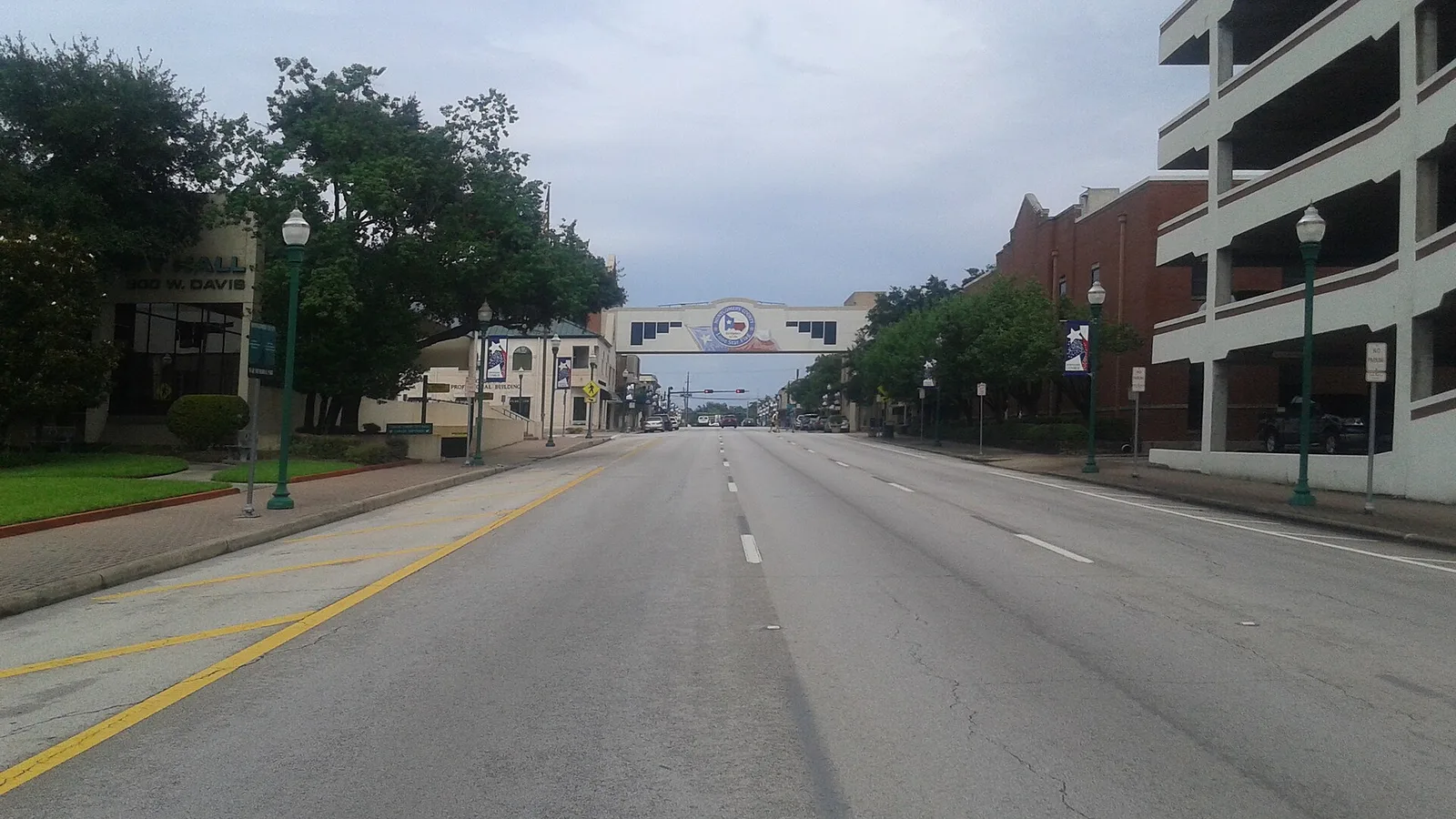
2. Franklin County, Washington: 12 eligible, none designated
Eleven of Franklin County’s 12 eligible tracts are in Pasco; the twelfth is a rural tract in the Connell area. Six have poverty rates of 20% or more, topping out at 38.9%. One county tract was a zone in 2018. Across the Columbia River, Benton County, home to Kennewick and Richland, received one of its eight eligible tracts.
Washington’s Department of Commerce took applications from April 28 to May 28, 2026, and the state’s 99 picks came from 152 applications, according to Gov. Bob Ferguson’s office. Commerce says the final selections were based on “investment readiness, community alignment and also policy alignment,” and that the 99 tracts span 27 counties, 17 tribal lands and 36 rural communities, per its program page. King County received 25. “Opportunity Zones help shine a light on communities that have exceptional potential for investors,” Ferguson said in announcing the picks. OZI did not find a published list of the applications that were not selected. See the Franklin County page.
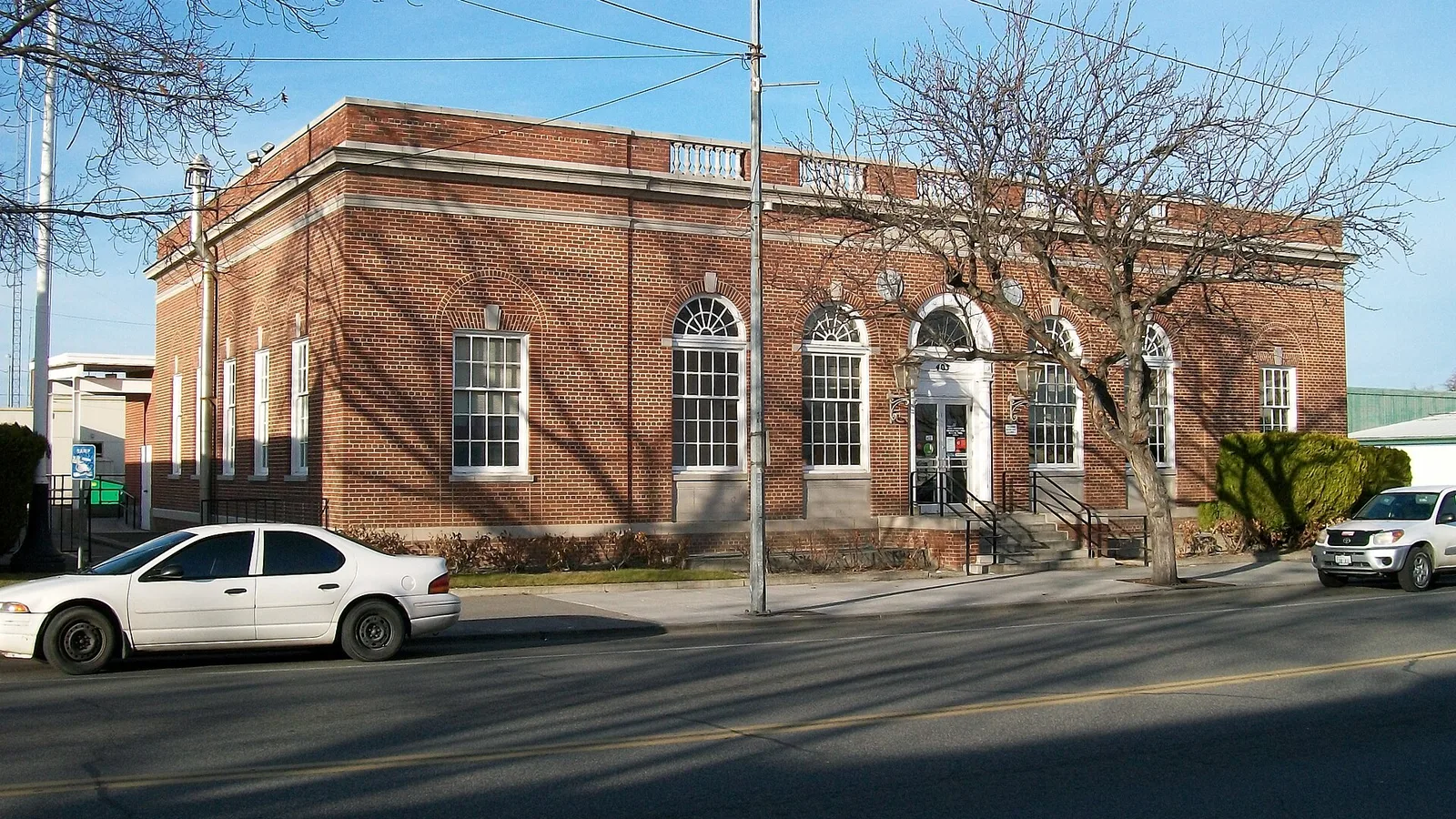
3. Buchanan County, Missouri: 11 eligible, none designated
Ten of Buchanan County’s 11 eligible tracts are in St. Joseph, a river city that had 72,465 residents in 2020 and 71,001 in 2025, according to Census estimates. Ten of the eleven have poverty rates of 20% or more, and the highest, in a St. Joseph tract, is 40.6%. The county had two zones on the 2018 map. The city’s Choose St. Joseph economic development site lists Mosaic Life Care, with 3,067 workers, and Triumph Foods, with 2,400, as its largest employers.
Missouri ran an intake process in which local partners asked the Department of Economic Development to consider specific tracts. The list of tracts with intake forms that the department published in July shows 221 tracts in 62 counties, and none in Buchanan County. On OZI’s match, 128 of Missouri’s 131 designated tracts were on that intake list. “Our local partners know their communities’ needs and opportunities best, and their input was essential to this process,” said Michelle Hataway, the department’s director, in the governor’s November 5 release. Greene County, home to Springfield, received the most Missouri zones, with 16. See the Buchanan County page.
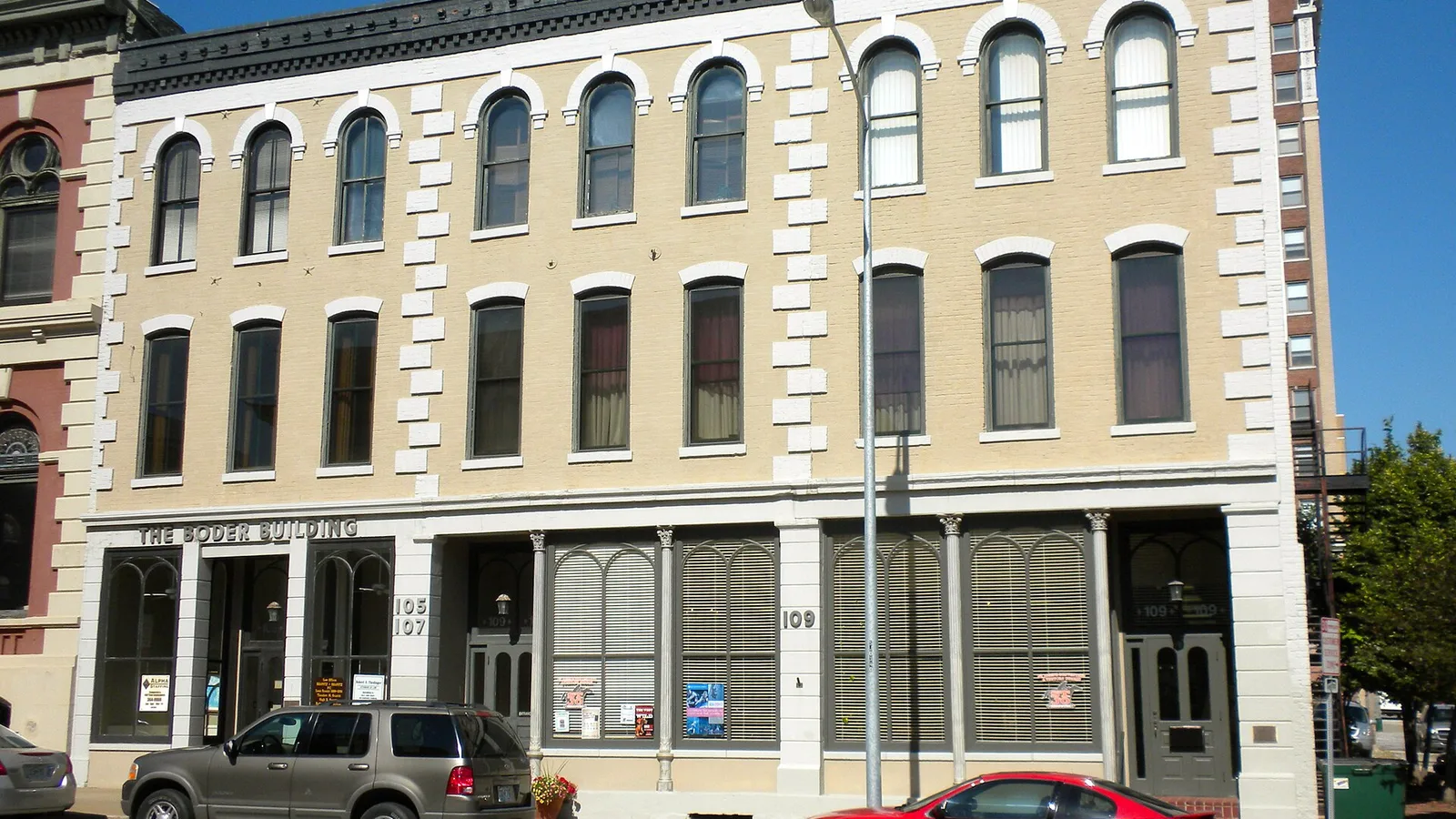
4. St. Francois County, Missouri: 10 eligible, none designated
All 10 of St. Francois County’s eligible tracts are rural, spread across Farmington, Park Hills, Bonne Terre, Desloge and the townships between them. This is the Old Lead Belt, about 70 miles south of St. Louis, where the Environmental Protection Agency has been cleaning lead mine waste from residential yards across a site of roughly 110 square miles. Poverty in the eligible tracts ranges from 13.3% to 25.5%. The county had no zones in 2018.
Like Buchanan, St. Francois does not appear on Missouri’s intake list. Its neighbors Washington, Ste. Genevieve and Jefferson counties do, and each received one designated tract. Missouri’s 131 picks include 68 rural tracts. See the St. Francois County page.
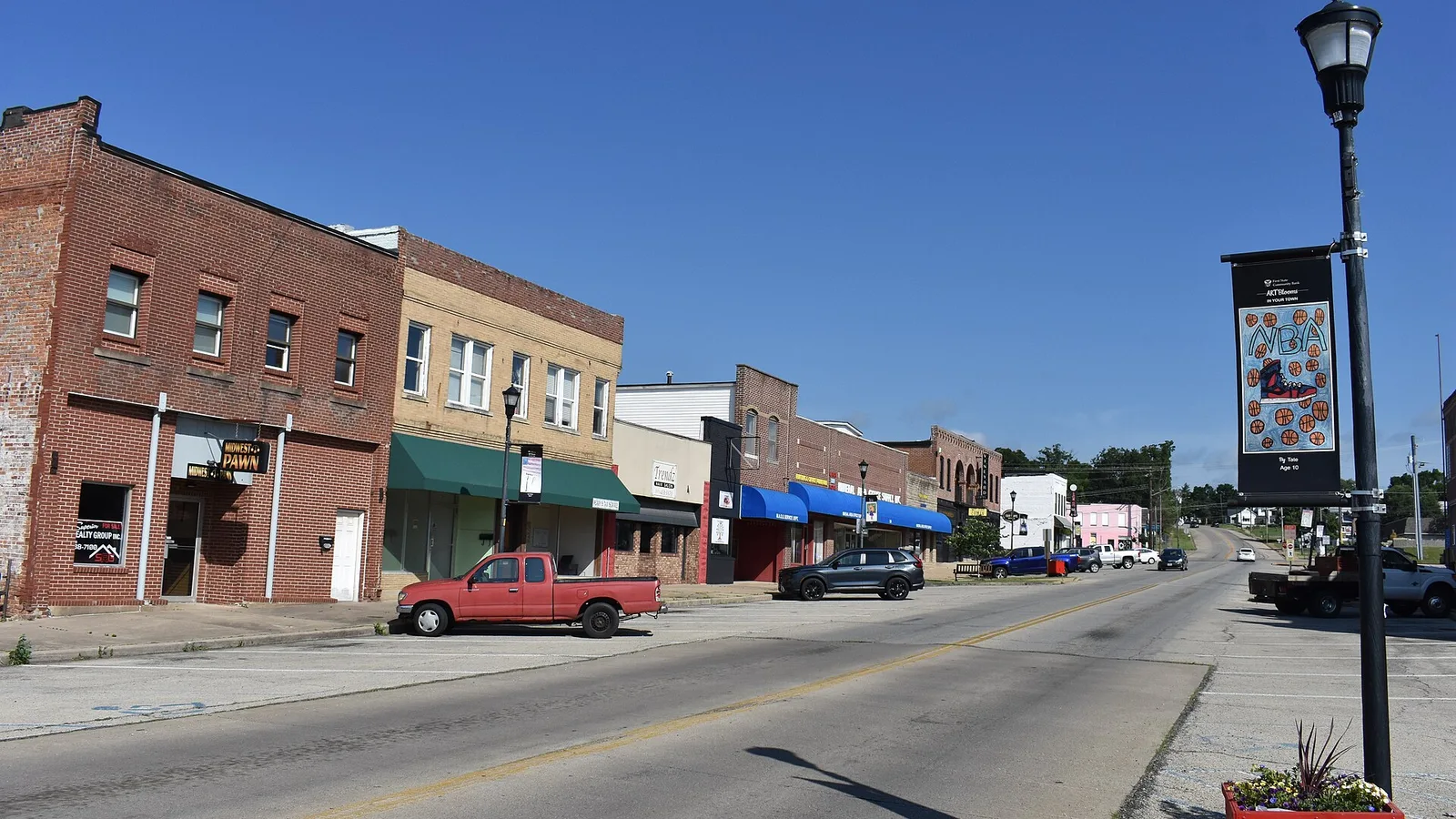
5. Liberty County, Texas: 9 eligible, none designated
Liberty County, east of Houston, had 9 eligible tracts, all of them rural. Three are in Cleveland and the rest are in the areas around Cleveland, Liberty and Dayton and in the Hardin area. The county had seven zones on the 2018 map, the second most of any county in this ranking after Montgomery. It grew from 91,661 residents in 2020 to 121,364 in 2025, and it was the fast-growing county without a zone in OZI’s ranking of smaller counties. Texas designated 184 rural tracts statewide, and its program page says the state “leveraged rural incentives without selecting unworkable tracts.” See the Liberty County page.
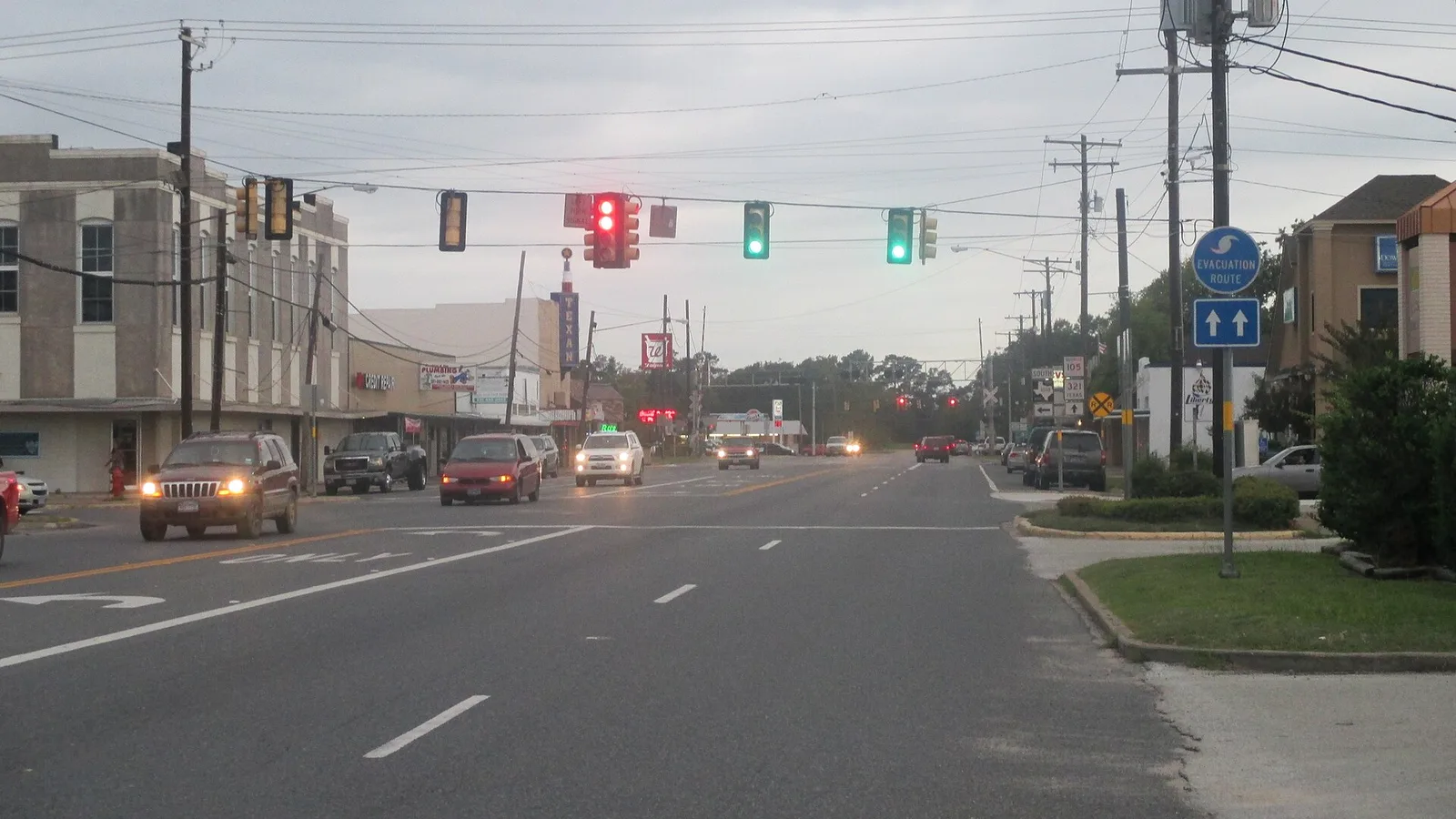
6. Maverick County, Texas: 8 eligible, none designated
Maverick County sits on the Rio Grande, and six of its 8 eligible tracts are inside Eagle Pass, which had 28,926 residents in 2025. All eight have poverty rates above 20%, and one in Eagle Pass reaches 46.8%. Because the city is under 50,000 people, all eight count as rural. U.S. Customs and Border Protection runs two crossings into Piedras Negras, Mexico, at Bridge I and Bridge II. The city’s Opportunity Zone page still describes its 2018 zone next to downtown; the county had two in 2018.
Elsewhere on the border, Webb County, home to Laredo, received 21 of its 41 eligible tracts, and Val Verde County, home to Del Rio, received one of seven. See the Maverick County page.

7. Monroe County, Michigan: 7 eligible, none designated
Monroe County, on Lake Erie between Detroit and Toledo, had 7 eligible tracts, all rural. Three are in the city of Monroe, which had 20,076 residents in 2025, and the others are in Frenchtown and Monroe charter townships. Six of the seven have poverty rates of 20% or more. The Port of Monroe calls itself Michigan’s only port on Lake Erie, and La-Z-Boy lists its headquarters in Monroe in its annual report. Under a 2023 settlement accepted by the Michigan Public Service Commission, DTE Electric will retire two units of its Monroe Power Plant by the end of 2028 and the other two by the end of 2032.
Michigan built a quantitative model around housing and downtown and corridor revitalization, then held 13 public input sessions, according to the Michigan Economic Development Corporation. Its public presentation also set a goal of spreading its picks across all ten of the state’s prosperity regions. Wayne County received 65 of Michigan’s 215 zones, and neighboring Washtenaw County received 13. “While the breadth of opportunity in our state exceeded our ability to select all due to federal constraints, Team Michigan is going to hit the ground running in January,” said Quentin L. Messer Jr., the MEDC’s chief executive. See the Monroe County page.
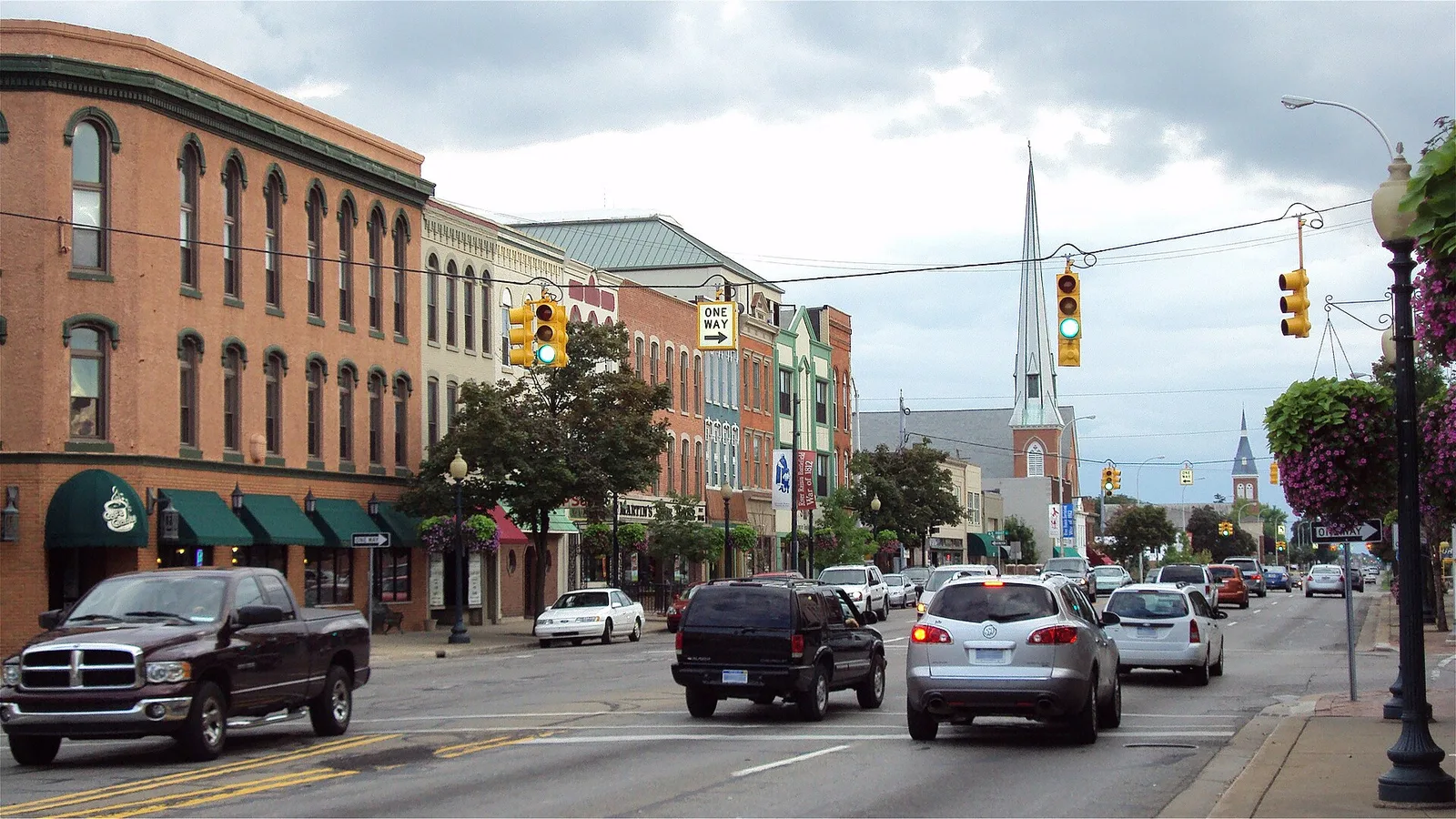
8 (tie). Cowlitz County, Washington: 6 eligible, none designated
In Cowlitz County, on the Columbia River in southwest Washington, three of the 6 eligible tracts are in Longview and one is in Kelso. All six are rural, because neither city has 50,000 people. The Port of Longview, operating since 1921, has eight marine terminals on 835 acres of waterfront, 66 miles from the Pacific. The county had two zones in 2018. Clark County, its neighbor to the south, received four of its 15 eligible tracts. See the Cowlitz County page.
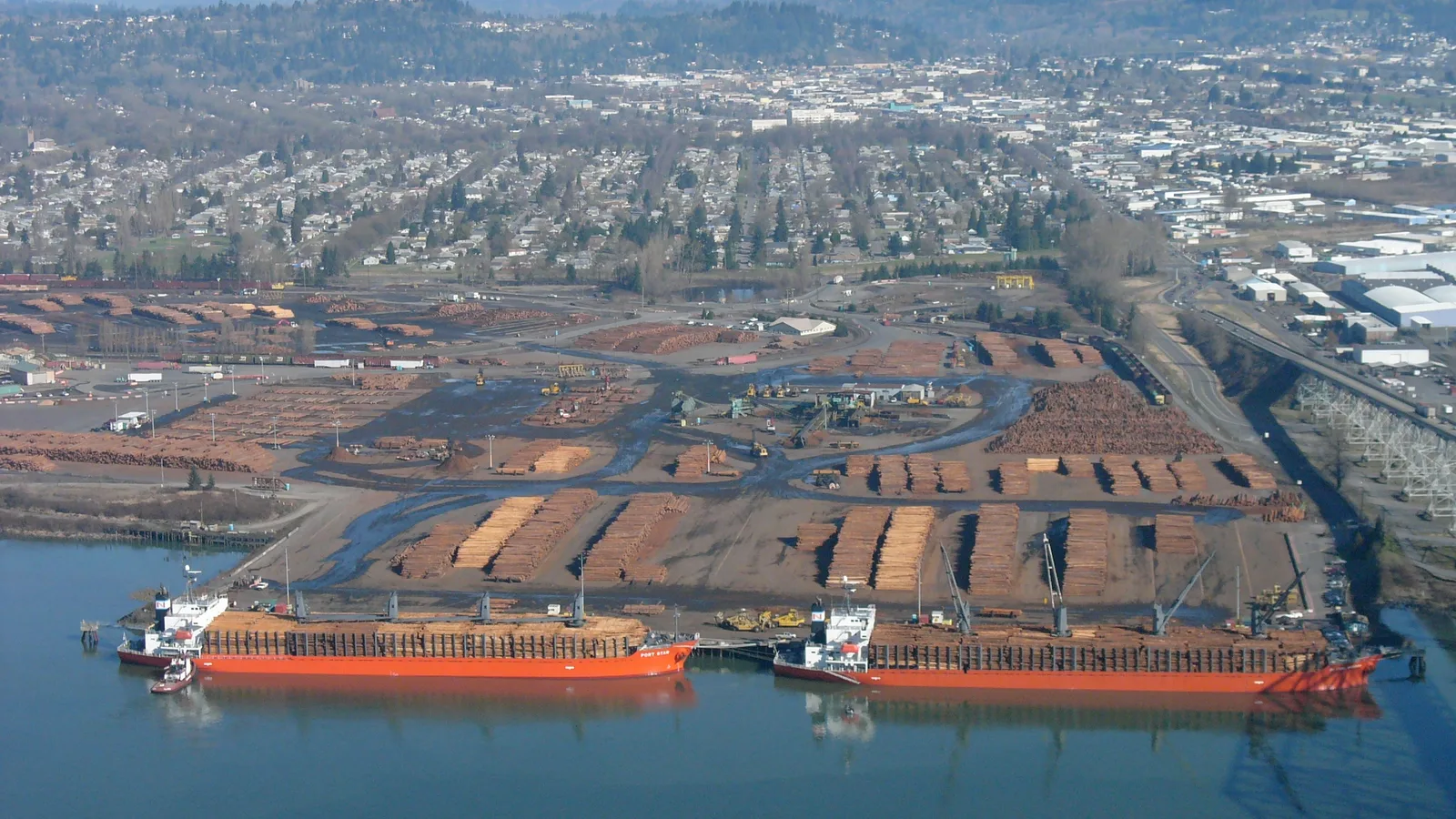
8 (tie). Scott County, Kentucky: 6 eligible, none designated
All six of Scott County’s eligible tracts are inside Georgetown, which had 40,883 residents in 2025, and all six count as rural. Georgetown is home to Toyota Motor Manufacturing Kentucky, which Toyota calls its largest vehicle plant in the world, with 10,000 employees. In March 2026, Gov. Andy Beshear joined Toyota to mark the plant’s 40th anniversary and an $800 million investment. The county had no zones in 2018.
Kentucky asked local governments to apply. In its October 29 release, the state said it prioritized zones where investments have already been made, including sites funded by its product development program, and that “every county that submitted a formal application for an eligible tract received at least one Opportunity Zone designation.” Scott County is not among the 76 counties on that list. Neighboring Fayette County, home to Lexington, received five. “Every area of Kentucky deserves an opportunity to grow and succeed,” Beshear said. See the Scott County page.
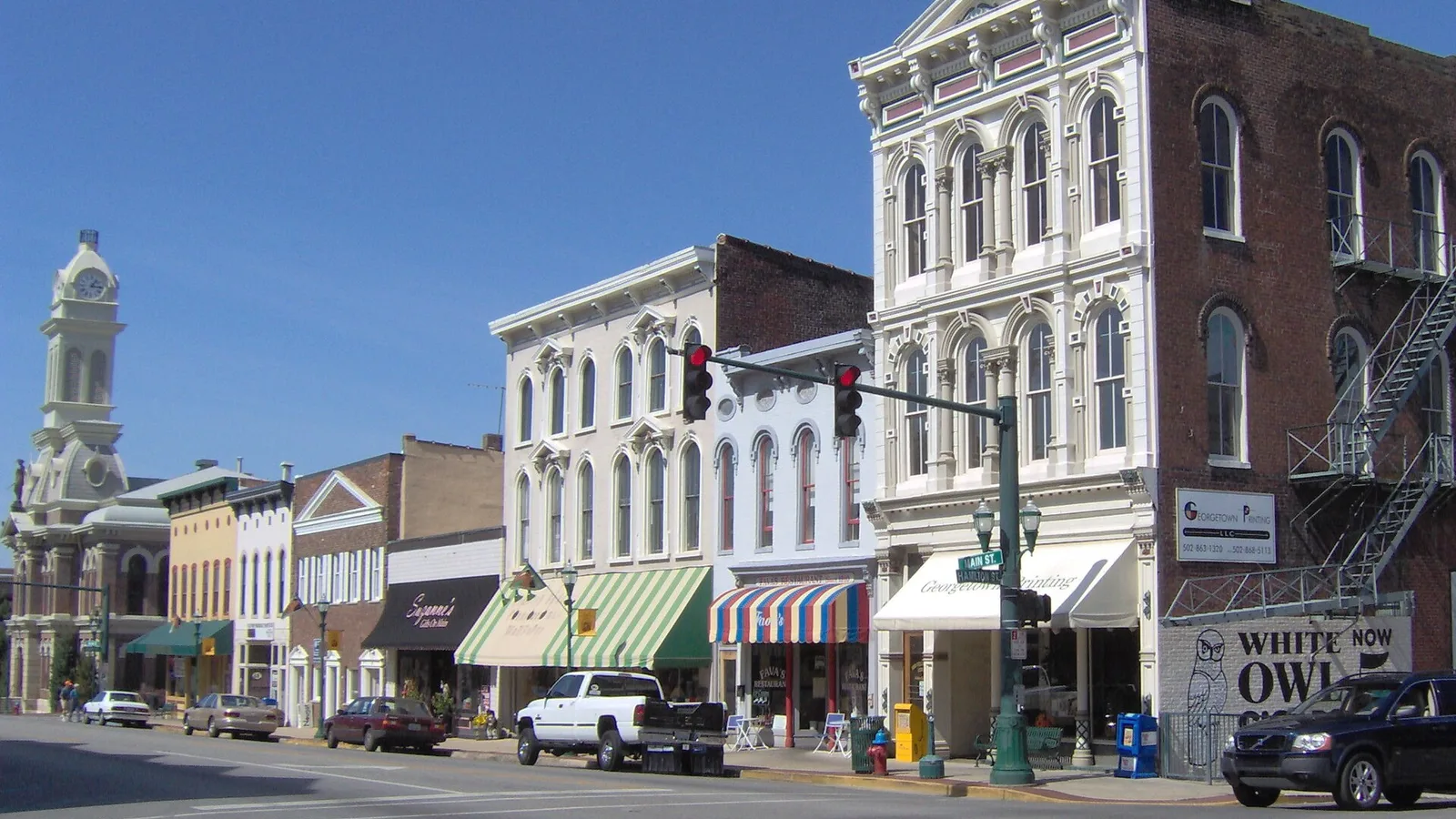
8 (tie). Cherokee County, Texas: 6 eligible, none designated
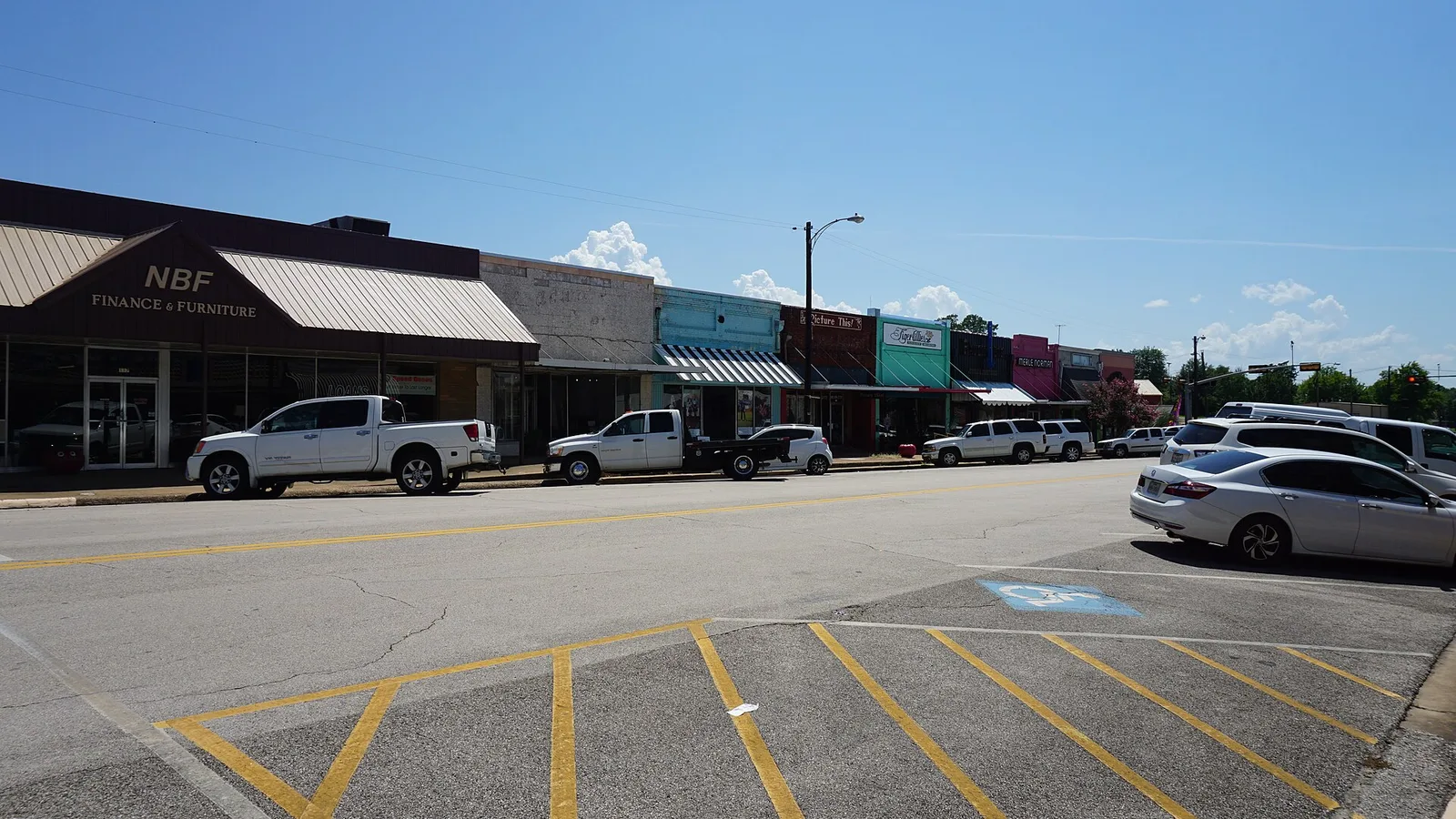
Cherokee County, in East Texas, had 6 eligible tracts, all rural. Five are in and around Jacksonville, the county’s largest city, and one is in the Rusk area. Poverty in the eligible tracts reaches 35.9%. The Jacksonville Economic Development Corporation lists the school district, with 965 employees, a Bealls distribution center, with 330, and a Christus Mother Frances hospital and clinic, with 306, among the city’s largest employers. The county had three zones in 2018. Nearby, Angelina County received four zones, and Anderson and Nacogdoches counties received three each. See the Cherokee County page.
What happens next
The 2027 zones take effect January 1, 2027, and run through December 31, 2036, under IRS Notice 2026-67. Several of these counties keep their 2018 zones through December 31, 2028, so the old map and the new one overlap for two years. Michigan’s economic development agency notes that the new designations cannot be revised. Under the statute, the next decennial determination date is July 1, 2036, when governors will choose again using updated Census data. Anyone can check an address with the designation checker, browse the OZ 2.0 final list or explore the map. State pages for Texas, Washington, Missouri, Michigan and Kentucky list every designated tract.
Related: the top job-growth counties with 2027 zones, the fastest-growing small counties with 2027 zones, the fastest-growing large counties and the counties with the most zones.
This article is for general information. It is not tax, legal or investment advice.
FAQ
Which county had the most eligible tracts and no 2027 Opportunity Zone?
Among counties with at least 50,000 residents, Montgomery County, Texas, had the most, with 17 eligible tracts and none designated. Outside Texas, Franklin County, Washington, had the most, with 12.
Why were eligible tracts left out?
Federal law caps each state’s zones at 25% of its eligible low-income tracts, rounded up, or 25 tracts if a state has fewer than 100 eligible. Governors chose which tracts to put forward, and every state in this ranking used its full allotment.
Can a county still be added to the 2027 map?
Treasury designated all 6,576 tracts that governors put forward, effective January 1, 2027, and the next decennial determination date in the statute is July 1, 2036. Michigan’s economic development agency says the 2027 designations cannot be revised.
Do these counties still have any Opportunity Zones?
Several had zones on the 2018 map, which remain in effect through December 31, 2028. They have no tracts on the 2027 map.
Which eligibility file did OZI use?
Treasury’s October 30, 2026, eligibility file, published with the final list. For the ten counties in this ranking, the eligible counts are the same as in the September 23 file.
- home.treasury.gov (1), as of November 25, 2026
- home.treasury.gov (2), as of November 25, 2026
- home.treasury.gov (3), as of November 25, 2026
- home.treasury.gov (4), as of November 25, 2026
- irs.gov (1), as of November 25, 2026
- irs.gov (2), as of November 25, 2026
- law.cornell.edu, as of November 25, 2026
- irs.gov (3), as of November 25, 2026
- www2.census.gov (1), as of November 25, 2026
- www2.census.gov (2), as of November 25, 2026
- geocoding.geo.census.gov, as of November 25, 2026
- gov.texas.gov (1), as of November 25, 2026
- gov.texas.gov (2), as of November 25, 2026
- gov.texas.gov (3), as of November 25, 2026
- governor.wa.gov, as of November 25, 2026
- commerce.wa.gov, as of November 25, 2026
- governor.mo.gov, as of November 25, 2026
- ded.mo.gov (1), as of November 25, 2026
- ded.mo.gov (2), as of November 25, 2026
- michiganbusiness.org (1), as of November 25, 2026
- michiganbusiness.org (2), as of November 25, 2026
- michiganbusiness.org (3), as of November 25, 2026
- newkentuckyhome.ky.gov (1), as of November 25, 2026
- portofpasco.org (1), as of November 25, 2026
- portofpasco.org (2), as of November 25, 2026
- choosesaintjoseph.com, as of November 25, 2026
- cumulis.epa.gov, as of November 25, 2026
- cbp.gov, as of November 25, 2026
- eaglepasstx.gov, as of November 25, 2026
- michigan.gov, as of November 25, 2026
- portofmonroe.com, as of November 25, 2026
- sec.gov, as of November 25, 2026
- portoflongview.com, as of November 25, 2026
- pressroom.toyota.com, as of November 25, 2026
- newkentuckyhome.ky.gov (2), as of November 25, 2026
- jacksonvilletxedc.com, as of November 25, 2026
Original reporting by the Opportunity Zone Invest Editorial Team for Opportunity Zone Invest, an independent OZ 2.0 research site. Facts are drawn from the primary sources cited above per our editorial standards. Nothing here is tax, legal, or investment advice. Found an error? See our corrections policy or write to Opportunity Zone Invest.
OZ tools: Opportunity Zone calculator · OZ 2.0 designation checker · 180-day rule calculator · Form 8997 instructions · Form 8996 instructions · all tools
Fund managers: Advertise your fund
Get OZ 2.0 updates
OZ 2.0 news, guidance, and key deadlines. Unsubscribe anytime.