
Collin County, Texas, grew its job count 30.5% from 2019 to 2025, the fastest of any U.S. county with at least 200,000 jobs, and three of its tracts are on Treasury’s final Opportunity Zone list. OZI ranked large counties by federal job data and kept those with designated tracts. The ten added 754,603 jobs and hold 148 of the 6,576 tracts that take effect January 1, 2027. Here is who is hiring and where the zones sit.
PLANO, Texas — In 2019, Collin County had an average of 430,949 jobs, according to the Bureau of Labor Statistics. In 2025 it had 562,572, a gain of 30.5%. That is the fastest job growth of any U.S. county that had at least 200,000 jobs before the pandemic, according to final 2025 figures the bureau published on August 28, 2026. Three Collin County census tracts, two in McKinney and one in a small piece of Dallas, are on Treasury’s final list of Opportunity Zones that take effect January 1, 2027.
This is the first story in a ten-part OZI series that ranks counties with designated tracts by a different measure each day. The first two lists in this family ranked the counties with the most designated tracts and the fastest-growing counties by population. Paychecks tell a related but different story. Rank big counties by how fast their job counts grew, and the list runs from the corporate campuses north of Dallas to the semiconductor and hospital projects of the Mountain West, the home-care workforce of Brooklyn, the warehouse corridors of Central Florida and California’s Central Valley, and the research economies of Raleigh and Huntsville.
Together, the ten counties added 754,603 jobs from 2019 to 2025, while covered employment across all U.S. counties rose about 3.7%. They hold 148 of the 6,576 tracts on the final list, 5 of them rural.
Lead photo: Windrose Avenue at Legacy West in Plano in November 2026. Credit: 매일 누군가가 도둑맞을 때마다 / Wikimedia Commons, CC0; cropped and resized.
Why jobs and designation matter together
Opportunity Zones are census tracts with low incomes or high poverty, where the tax code rewards long-term investment of capital gains. The new round runs ten years, from January 1, 2027, through December 31, 2036, under IRS Notice 2026-67. A tract qualifies because of who lives there, not because of what is being built nearby. In a county adding jobs quickly, a designated tract can sit a short drive from new offices, plants and distribution centers while its own residents earn less than the area around them. That gap is what makes these ten counties worth a close look as OZ 2.0 begins.
One finding stood out. Every one of the 154 counties that had at least 200,000 jobs in 2019 has at least one designated tract, so the filter did not knock out any big county. The job-growth leader without a zone sits just below that size line: Montgomery County, Texas, north of Houston. Its story is below.
How we ranked them
OZI used the Bureau of Labor Statistics’ Quarterly Census of Employment and Wages, which counts jobs covered by unemployment insurance, based on employers’ quarterly filings. We used annual average employment for all industries and all ownerships, public and private. The newest full year is 2025; BLS released the final 2025 annual averages on August 28, 2026, with first-quarter 2026 data, according to its release calendar. We measured the percentage change from 2019, the last full year before the pandemic, to 2025, so the 2020 drop in jobs would not inflate the gains.
We limited the field to the 154 counties with at least 200,000 jobs in 2019. A raw-number ranking would mostly repeat the list of the biggest zone counties, led by Maricopa, Brooklyn, Miami-Dade and Harris. A lower size floor would pull in many of the same fast-growing suburbs as our population ranking. We then kept counties with at least one tract on Treasury’s final designations file, matching the first five digits of each 11-digit tract number to its county. Industry detail comes from the same QCEW files for private employers; BLS withholds some industry figures to protect employer confidentiality. Tract locations come from the Census Bureau’s geocoder and describe where the center of each tract falls; a tract can cross a city line.
| # | County | Jobs 2019 | Jobs 2025 | Change | Designated tracts |
|---|---|---|---|---|---|
| 1 | Collin County, Texas | 430,949 | 562,572 | +30.5% | 3 |
| 2 | Denton County, Texas | 260,697 | 320,064 | +22.8% | 7 |
| 3 | Travis County, Texas | 779,766 | 934,650 | +19.9% | 14 |
| 4 | Utah County, Utah | 251,585 | 300,580 | +19.5% | 7 |
| 5 | Ada County, Idaho | 252,953 | 295,234 | +16.7% | 7 |
| 6 | Kings County, New York | 795,104 | 924,119 | +16.2% | 67 |
| 7 | Polk County, Florida | 228,202 | 264,981 | +16.1% | 8 |
| 8 | Wake County, North Carolina | 575,410 | 665,775 | +15.7% | 13 |
| 9 | Madison County, Alabama | 206,133 | 235,169 | +14.1% | 10 |
| 10 | San Joaquin County, California | 258,122 | 290,380 | +12.5% | 12 |
Sources: BLS QCEW annual average employment, all industries and ownerships, 2019 and 2025; Treasury’s final designations file.
1. Collin County, Texas: up 30.5%
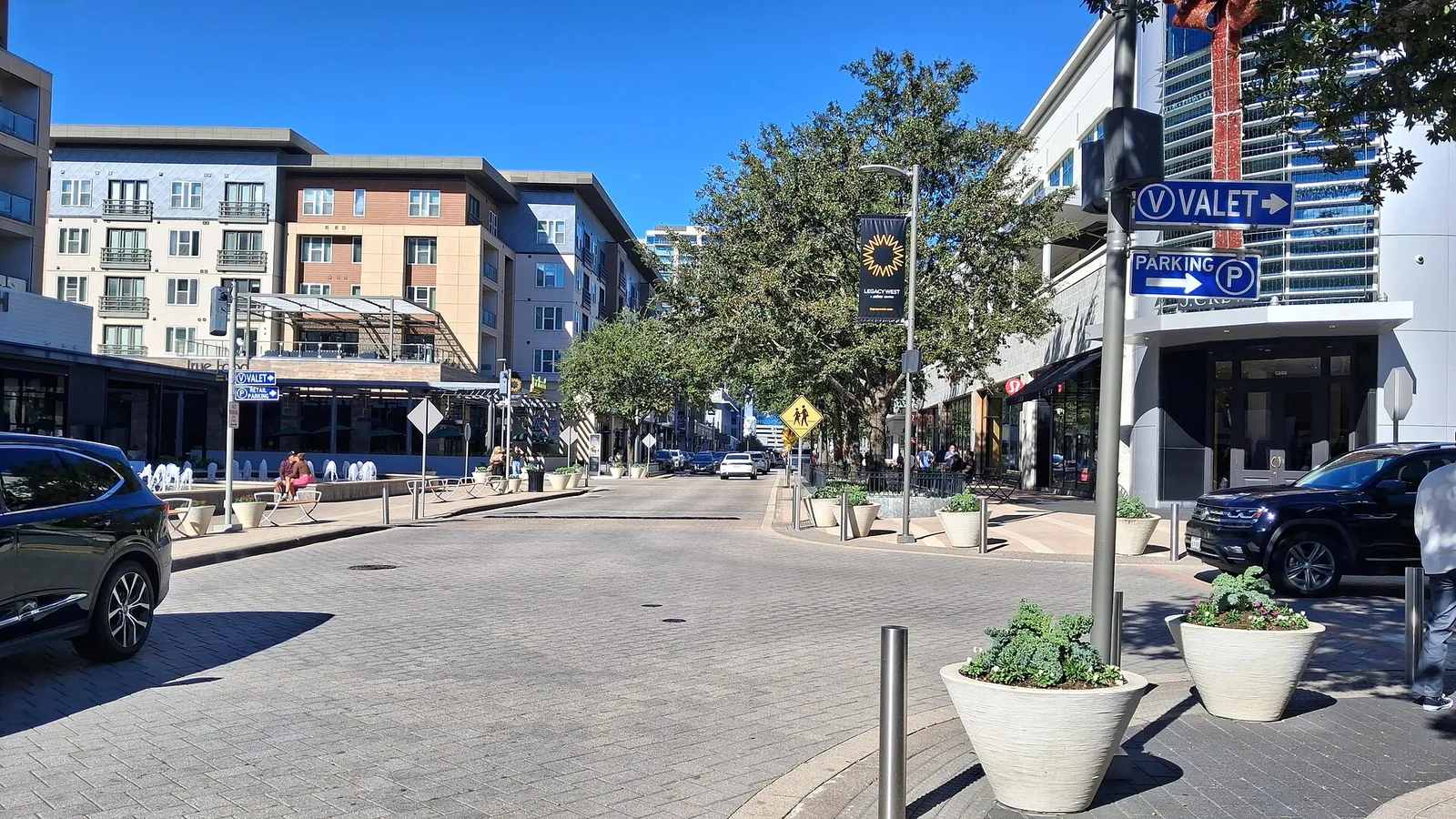
Collin County’s growth is a story of corporate offices. Finance and insurance employment rose from 39,339 in 2019 to 67,825 in 2025, and professional and technical services added 23,827 jobs. Much of that hiring is in Plano. JPMorganChase said in an August 27, 2026, release that 13,000 people work at its Plano campus in Legacy West, part of more than 17,000 in Dallas-Fort Worth. The same release announced a new office in Frisco for more than 100 new hires, scheduled to open in early 2028. “Our growing presence in Collin County shows the rising demand for wealth management and our dedication to meeting clients where they live,” said Ashley Herbst, head of J.P. Morgan Private Bank in Dallas and Collin County.
Plano’s economic development office lists its leading employers as JPMorgan Chase, Bank of America, Capital One and Toyota Motor North America, which opened its North American headquarters in Plano in 2017. The county reached 562,572 jobs, up 2.9% from 2024 alone.
Collin had 13 eligible tracts; 3 were designated, none rural. Two are in McKinney, the county seat, including tract 309.01. The third, tract 317.20, covers about a fifth of a square mile in the part of Dallas that reaches into Collin County. Collin also appeared on our population list. See the Collin County page.
2. Denton County, Texas: up 22.8%
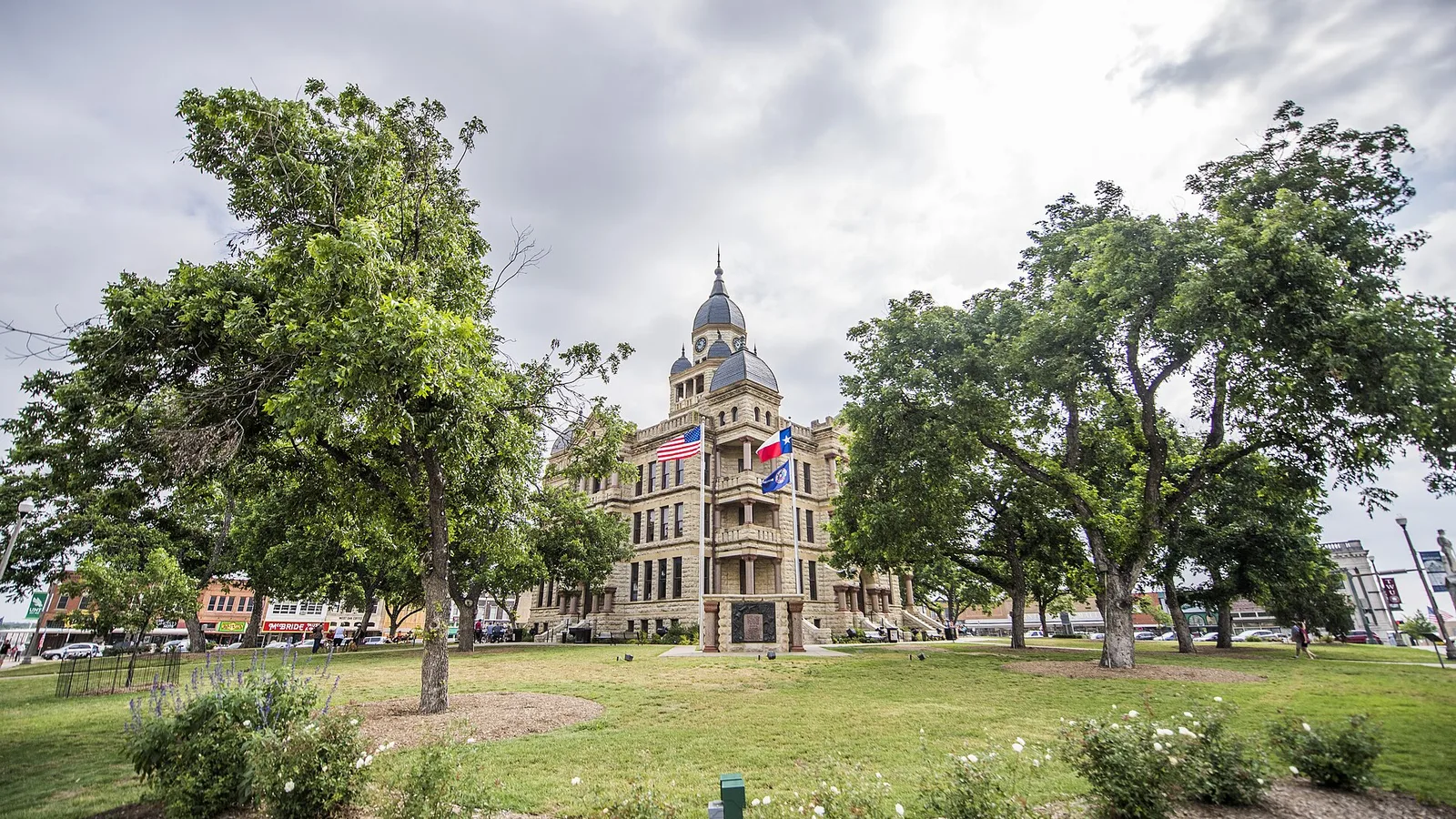
Next door, Denton County grew from 260,697 to 320,064 jobs. The gains were spread across health care (+6,916), retail (+6,253) and transportation and warehousing (+5,997). Warehousing alone went from 5,456 jobs to 8,516. Part of that freight economy sits in AllianceTexas, the 27,000-acre Hillwood development around Perot Field Fort Worth Alliance Airport. Its fact sheet says it spans Tarrant and Denton counties, including Northlake and the city of Denton, and counts 73,134 direct jobs across the whole development, in both counties.
Denton’s 7 designated tracts, all urban, are split between two cities: three in Denton, home to the University of North Texas and Texas Woman’s University, and four in Lewisville, along Interstate 35E. The county had 24 eligible tracts. See the Denton County page.
3. Travis County, Texas: up 19.9%
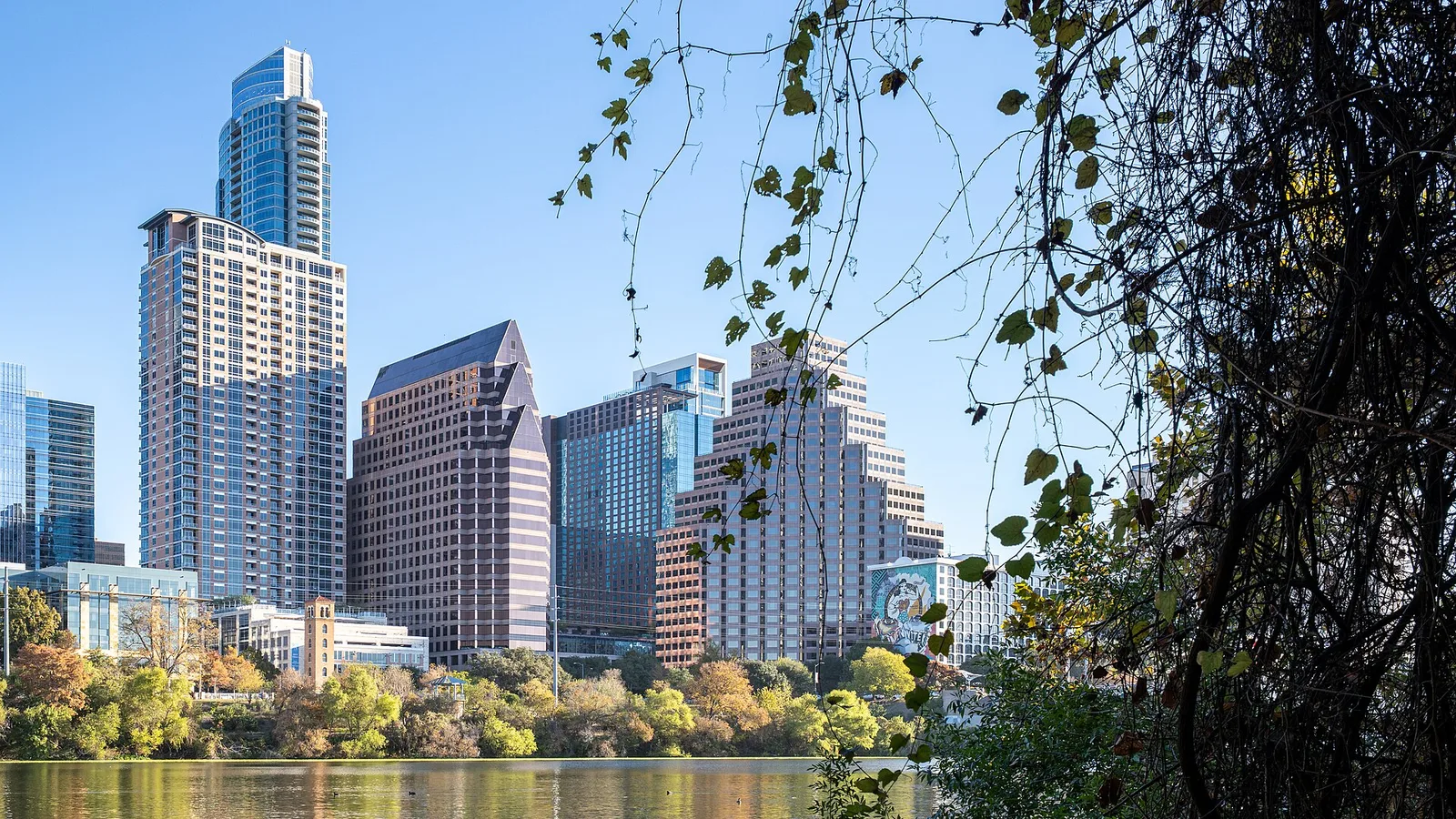
Travis County added 154,884 jobs, more than any other county in the top ten, and reached 934,650 jobs. Professional and technical services grew by 32,043 jobs. Manufacturing grew from 41,267 to 60,968. Among the new employers is Tesla, whose Gigafactory Texas sits in eastern Travis County. In its 2024 compliance report to the county, Tesla reported 21,191 employees at the factory and said about half lived in Travis County. Its 2025 report put the number at 16,506, a 22% drop, according to the Austin American-Statesman, as reported by TechCrunch. QCEW figures still show Travis employment up 3.5% from 2024 to 2025, the fastest one-year gain in the top ten.
Travis had 75 eligible tracts, the second most in this group, and 14 were designated, none rural. Ten are inside Austin, including one downtown, and four are outside the city limits in eastern and southern Travis County. The largest, tract 458, covers about 40 square miles in the northeast of the county. See the Travis County page.
4. Utah County, Utah: up 19.5%
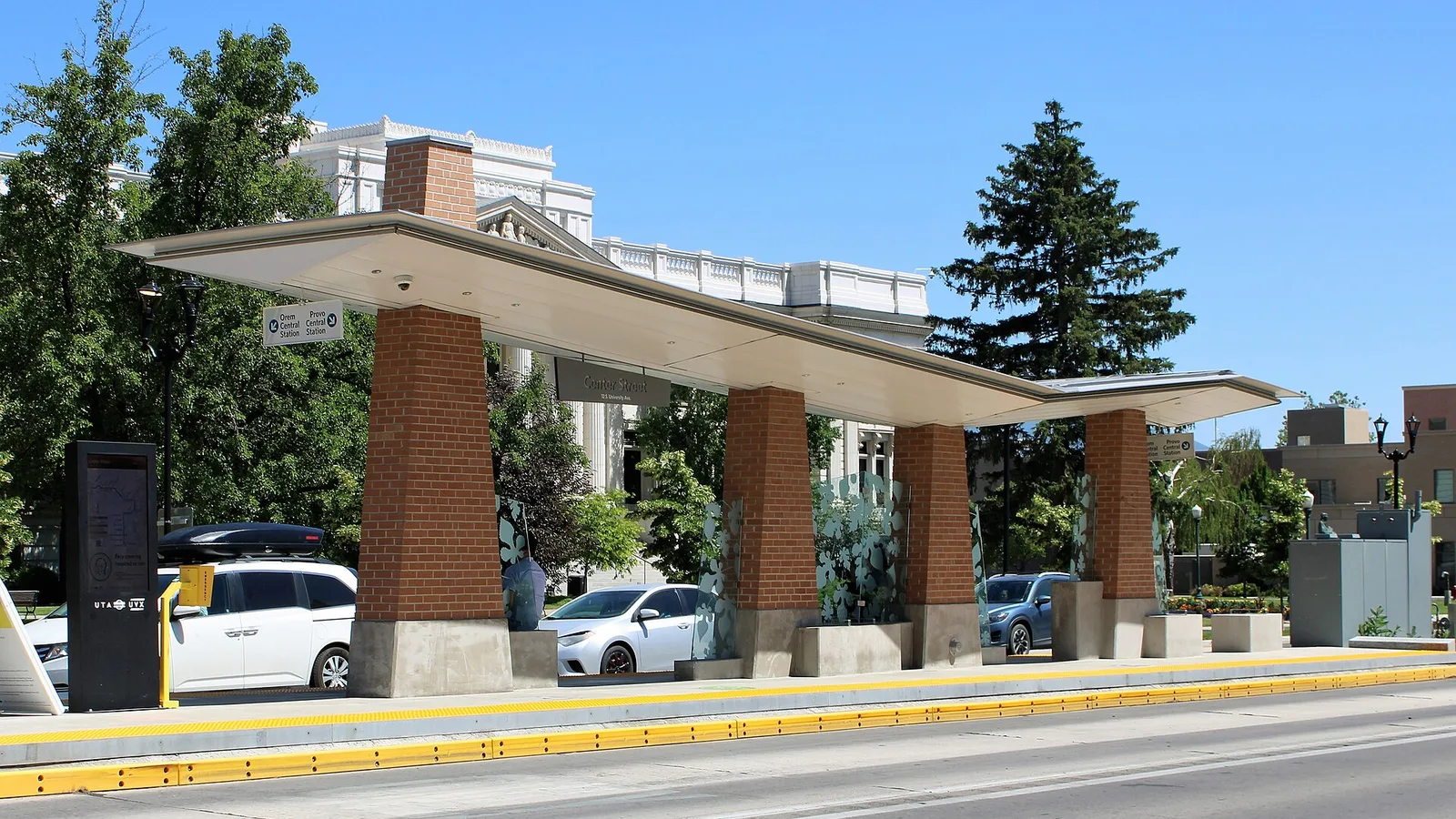
Utah County, south of Salt Lake City, went from 251,585 to 300,580 jobs. Health care led the private gains (+9,993), followed by construction (+5,804) and professional and technical services (+4,582). An October 22, 2026, report from the University of Utah’s Kem C. Gardner Policy Institute found the county has the state’s second-largest economy and ranks first among Utah counties in the concentration of technology jobs. It points to a new Brigham Young University medical school, the Huntsman Cancer Institute’s expansion into the county and semiconductor investment by Texas Instruments as the next sources of growth. “Utah County has all the ingredients for an extraordinary future, but growth alone does not guarantee prosperity,” said Curtis Blair, president and CEO of the Utah Valley Chamber of Commerce.
Of 30 eligible tracts, 7 were designated, none rural. Three are in Provo, between the Brigham Young University campus and downtown, including tract 18.01, where the poverty rate in Treasury’s file is 67%, a figure that likely reflects the large student population. The others are in Pleasant Grove, Vineyard and Springville, plus one tract between Provo and Springville. See the Utah County page.
5. Ada County, Idaho: up 16.7%
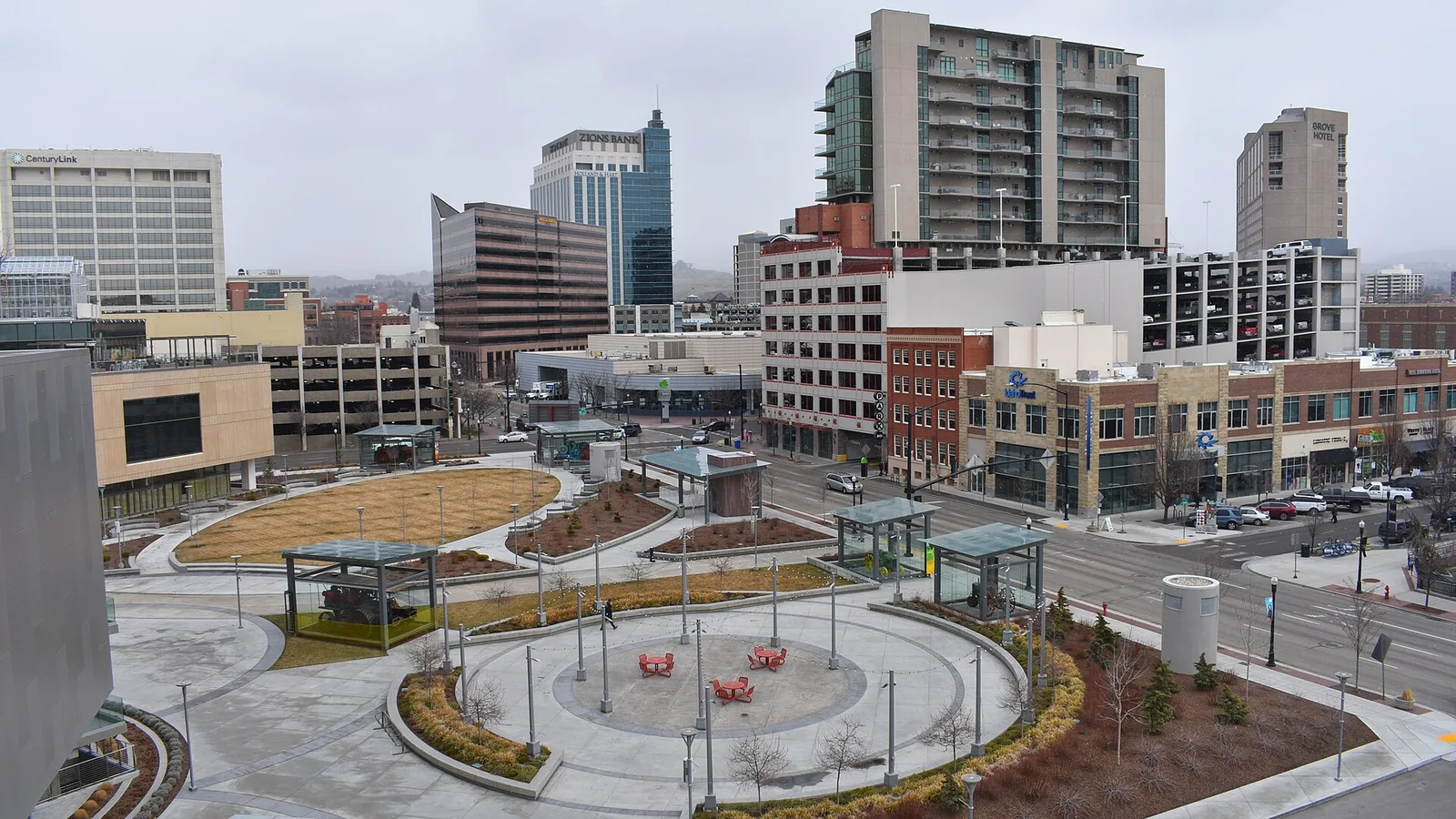
Ada County, home to Boise, added 42,281 jobs to reach 295,234 jobs. Health care added 10,334 and construction grew from 16,830 to 23,741. Two Boise projects show what is being built. Micron, which has its headquarters in Boise, says it plans two memory chip plants there that are expected to create more than 17,000 jobs, with output from the first scheduled to begin in 2027. St. Luke’s is building a nine-story hospital tower at its downtown Boise medical center; the health system said in June 2026 that about 300 people work on the site at any given time and that the project is expected to be finished in late 2029.
Ada had 15 eligible tracts; 7 were designated, none rural. Five are in Boise, including two in and around downtown, one is in Garden City and one is in Meridian. See the Ada County page.
6. Kings County, New York: up 16.2%
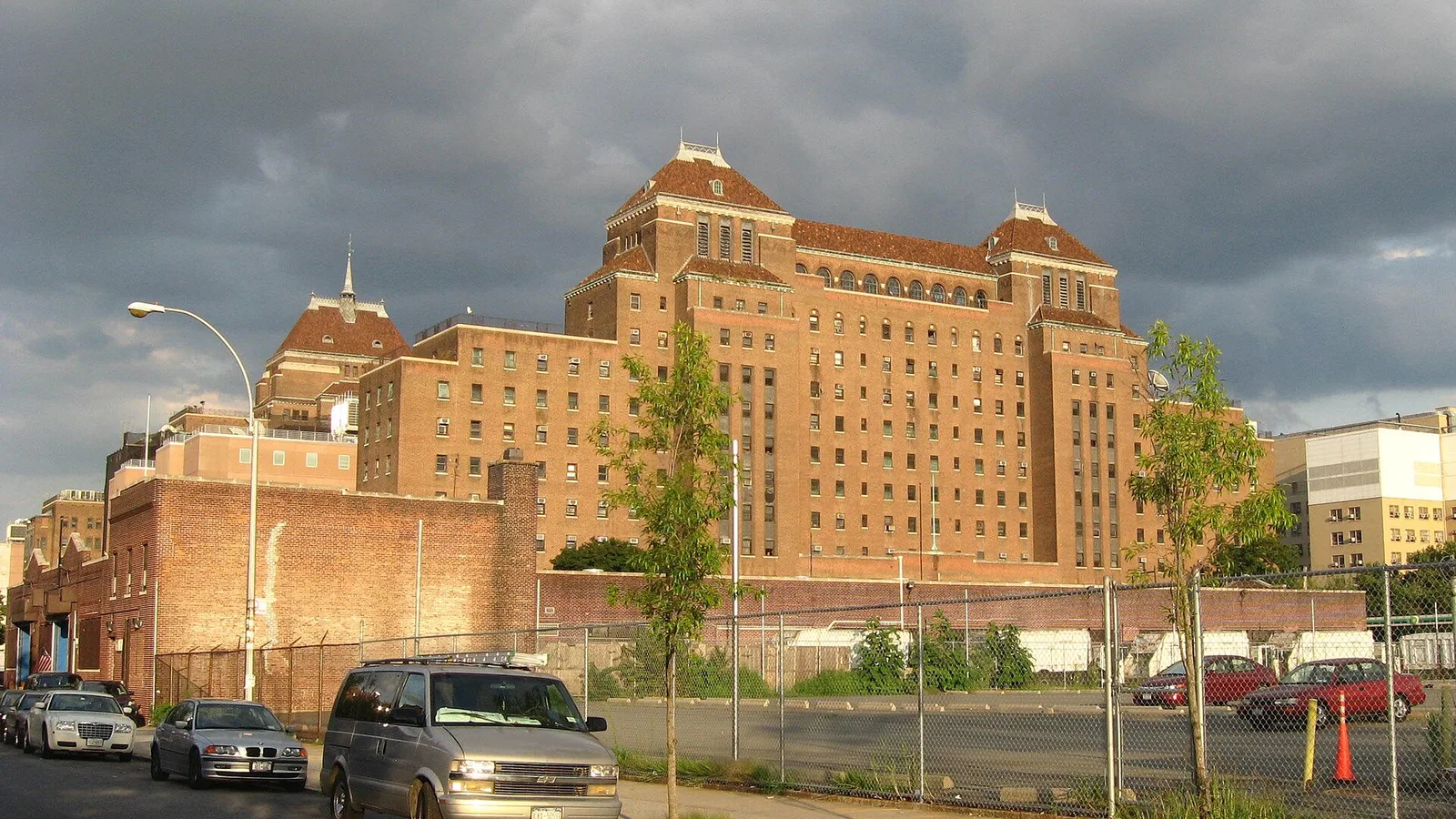
Brooklyn is the only county in the top ten that lost population, down 3.0% from 2020 to 2025, yet it added 129,015 jobs, reaching 924,119 jobs. Nearly all of that came from one sector. Health care and social assistance grew from 256,545 to 365,318, and two industries that send aides into people’s homes did most of the work. Home health care services rose from 97,393 to 148,878 jobs, and individual and family services from 58,075 to 108,204. Together they added 101,614 jobs, about 79% of the county’s total gain.
New York City’s comptroller wrote in October 2024 that one likely driver was growing use of Medicaid’s Consumer Directed Personal Assistance Program, which lets eligible patients pick a relative or friend as their paid aide. The state moved the program to a single statewide intermediary on April 1, 2025. The State Health Department said in August 2025 that city employment in the two sectors totaled 580,000 in June 2025. “The transition is working as intended,” State Health Commissioner Dr. James McDonald said. In Brooklyn’s annual figures, home health jobs fell from 157,324 in 2024 to 148,878 in 2025, and total employment was flat, up 438 jobs.
Kings had 406 eligible tracts and 67 designated, none rural, the most in this group. Mapped to city neighborhood areas, they cluster in East New York (11 tracts), Coney Island and Sea Gate (6), Brownsville (6) and Bedford-Stuyvesant (6), with others from Gowanus and Red Hook to Sunset Park and Canarsie. Our most-tracts ranking covered Brooklyn as a zone county; this list is about its paychecks. See the Kings County page.
7. Polk County, Florida: up 16.1%
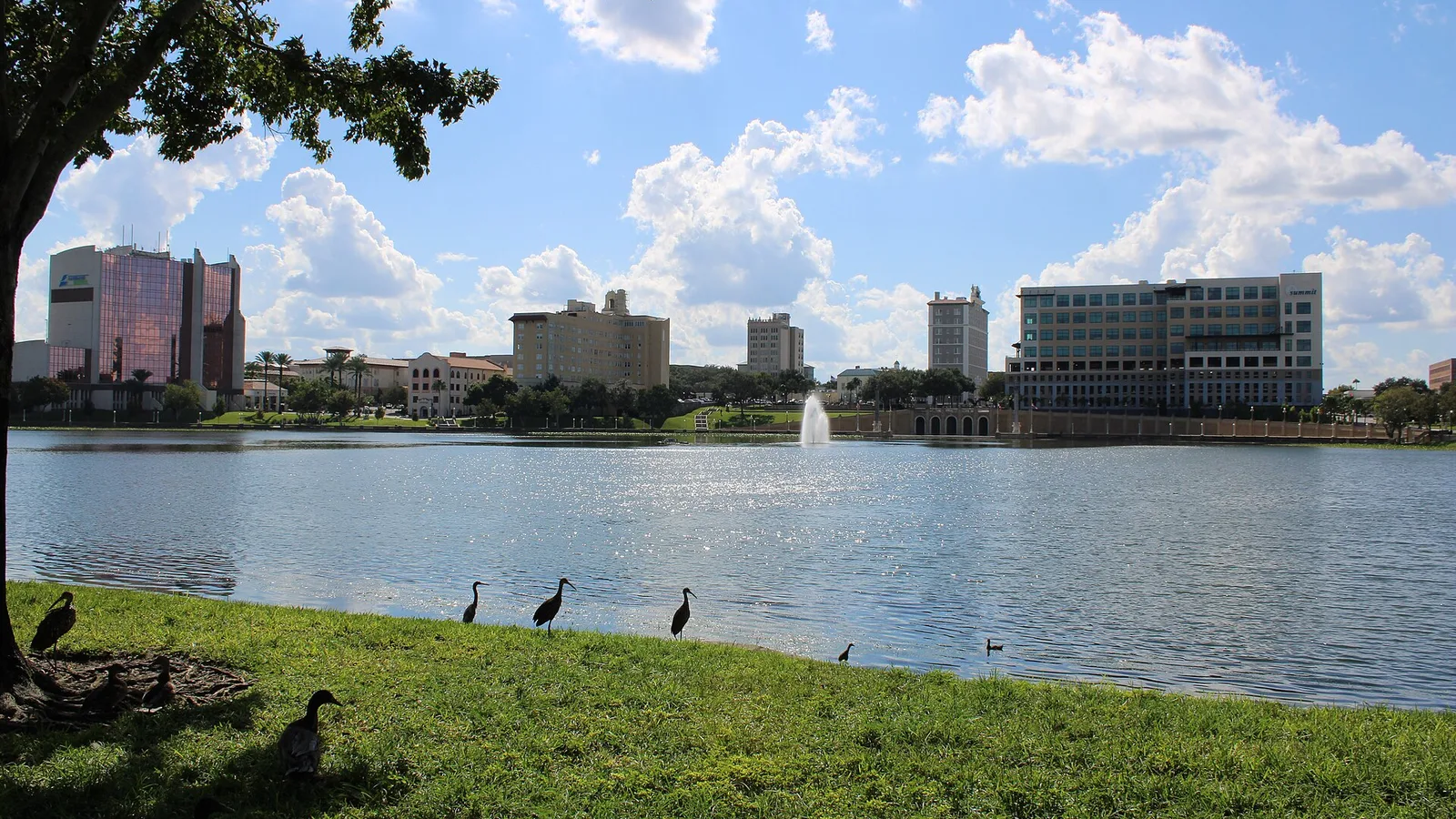
Polk County sits on Interstate 4 between Tampa and Orlando, and its job growth runs on freight. Transportation and warehousing grew from 19,278 jobs to 29,960, the biggest gain of any sector; warehousing alone went from 11,368 to 19,862. Lakeland’s 2026 demographics guide lists Amazon among the city’s largest employers, with 2,000 retail and distribution jobs, behind Publix, which is based in Lakeland and has 8,008 grocery jobs there. Amazon Air built a 285,000-square-foot sorting and equipment complex at Lakeland Linder International Airport, according to the Central Florida Development Council. In Winter Haven, the Central Florida Integrated Logistics Park offers 930 acres next to a CSX rail terminal; Gov. Ron DeSantis awarded $1.5 million in March 2025 to extend rail inside it. The county reached 264,981 jobs.
Polk had 57 eligible tracts; 8 were designated, 2 of them rural. Four are inside Winter Haven and one is just outside it. The rural tracts are in Lake Wales and in the Bartow area. Polk also appeared on our population list. See the Polk County page.
8. Wake County, North Carolina: up 15.7%
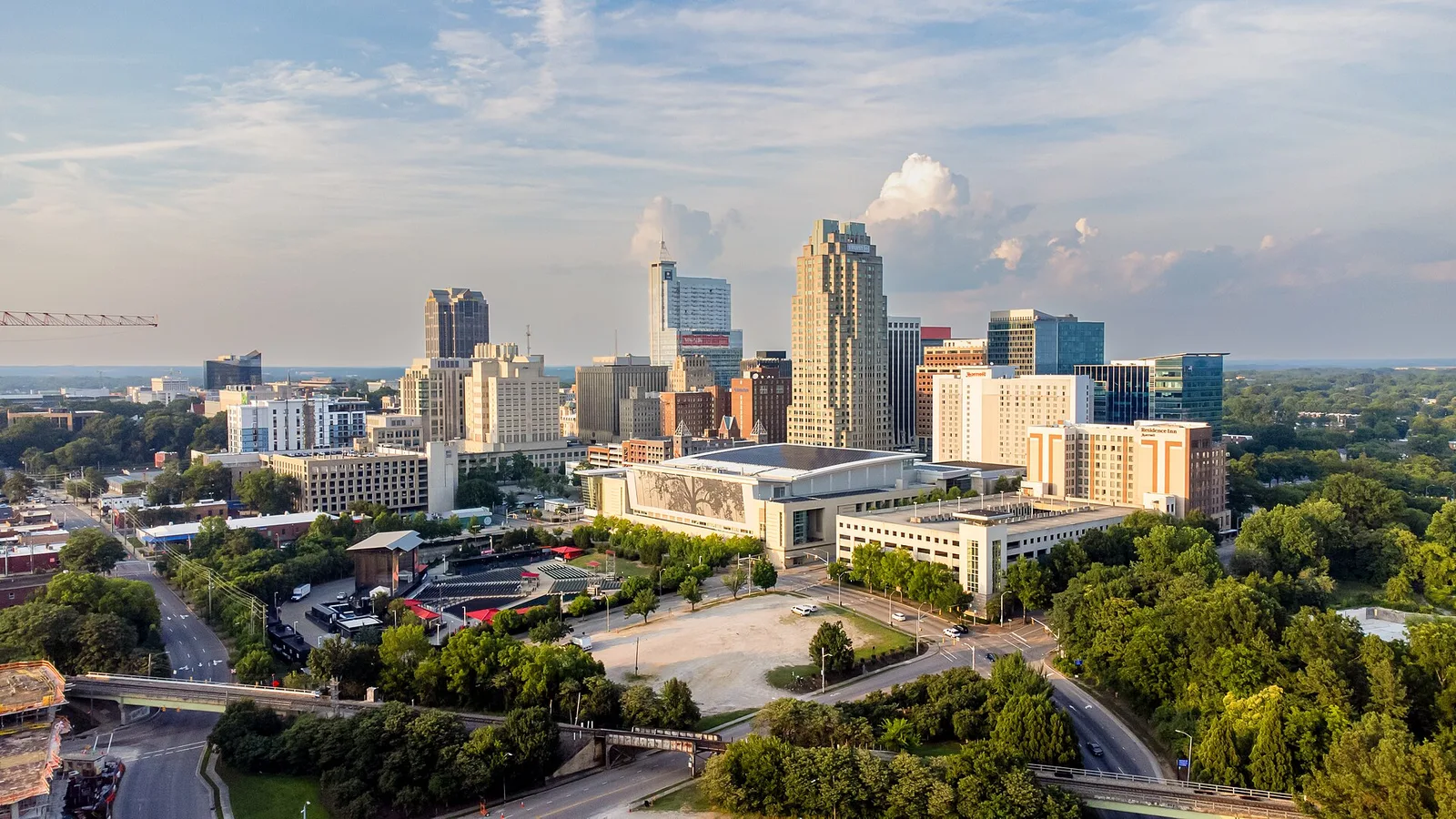
Wake County, home to Raleigh, Cary and part of Research Triangle Park, added 90,365 jobs to reach 665,775 jobs. Health care (+19,266) and professional and technical services (+15,813) led, and construction added 9,933. Life sciences is the region’s big bet. Gov. Josh Stein attended the September 2025 ribbon-cutting for Fujifilm Biotechnologies’ plant in Holly Springs, built for large-scale manufacturing of antibodies and vaccines. “This overall project will create 1,400 new, good-paying jobs in North Carolina by 2031,” Stein said. So far the county’s factory jobs have not followed: QCEW shows Wake manufacturing employment down 2,454 from 2019 to 2025.
Wake had 40 eligible tracts; 13 were designated, 2 of them rural. Six are in Raleigh, three in Cary and one in Knightdale. One is in unincorporated St. Marys Township, and the two rural tracts are in Little River and Marks Creek townships in the eastern part of the county. See the Wake County page.
9. Madison County, Alabama: up 14.1%
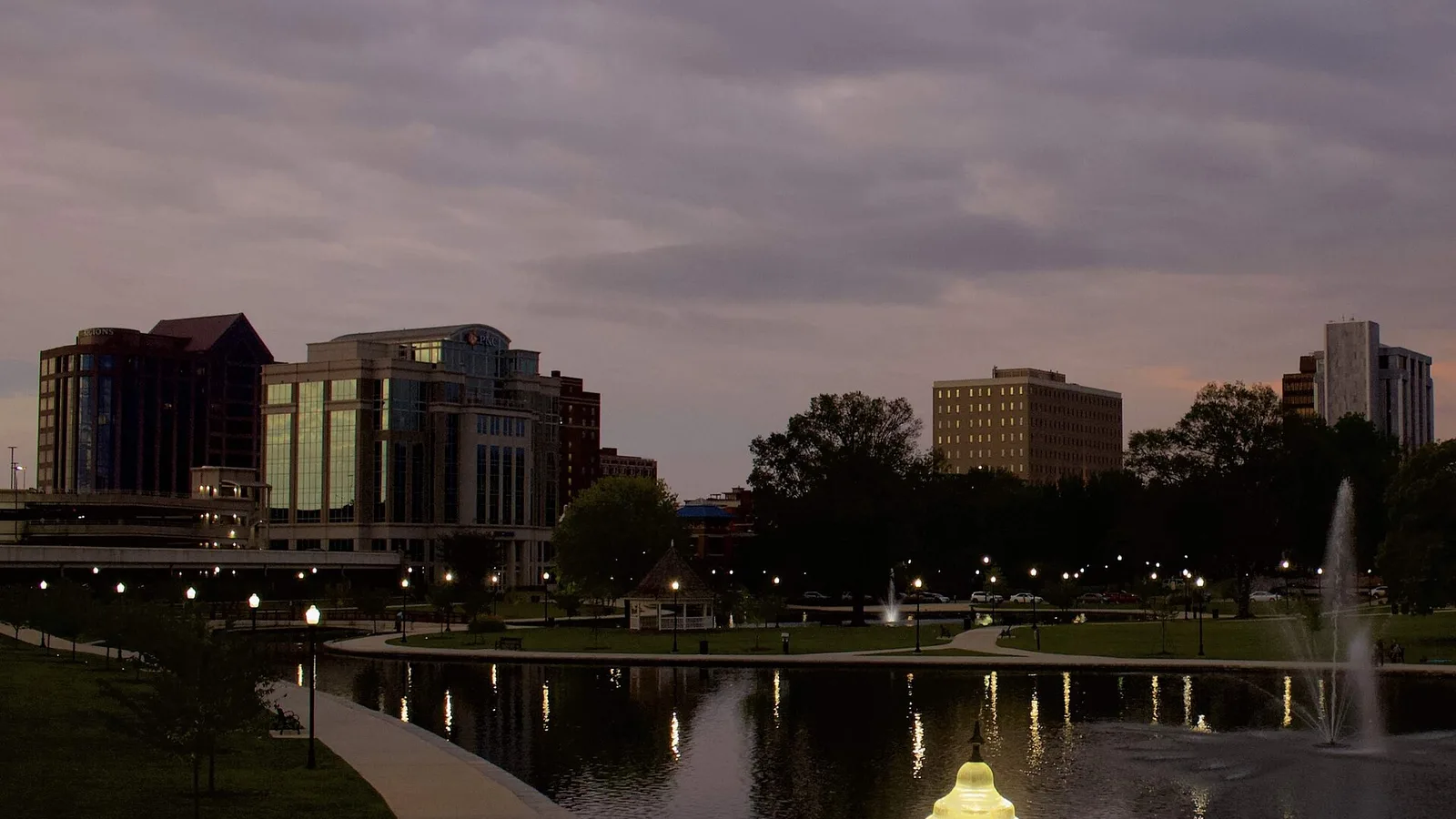
Madison County is Huntsville’s county, and its jobs follow the space and defense economy. Professional and technical services grew from 37,034 to 44,770, and manufacturing from 21,700 to 27,162. Redstone Arsenal had a workforce of about 45,500, the city reported in December 2024, and the FBI, which has two campuses there, had passed 2,000 employees and expects capacity for up to 5,000 by 2028. “Redstone Arsenal is an invaluable partner in our community,” Mayor Tommy Battle said. On the factory side, Blue Origin opened a rocket engine plant in Huntsville in 2020 and said it would add more than 300 jobs. The county reached 235,169 jobs.
Madison had 26 eligible tracts; 10 were designated, none rural. Nine are inside Huntsville and one is just outside the city in the county’s Huntsville division. See the Madison County page.
10. San Joaquin County, California: up 12.5%
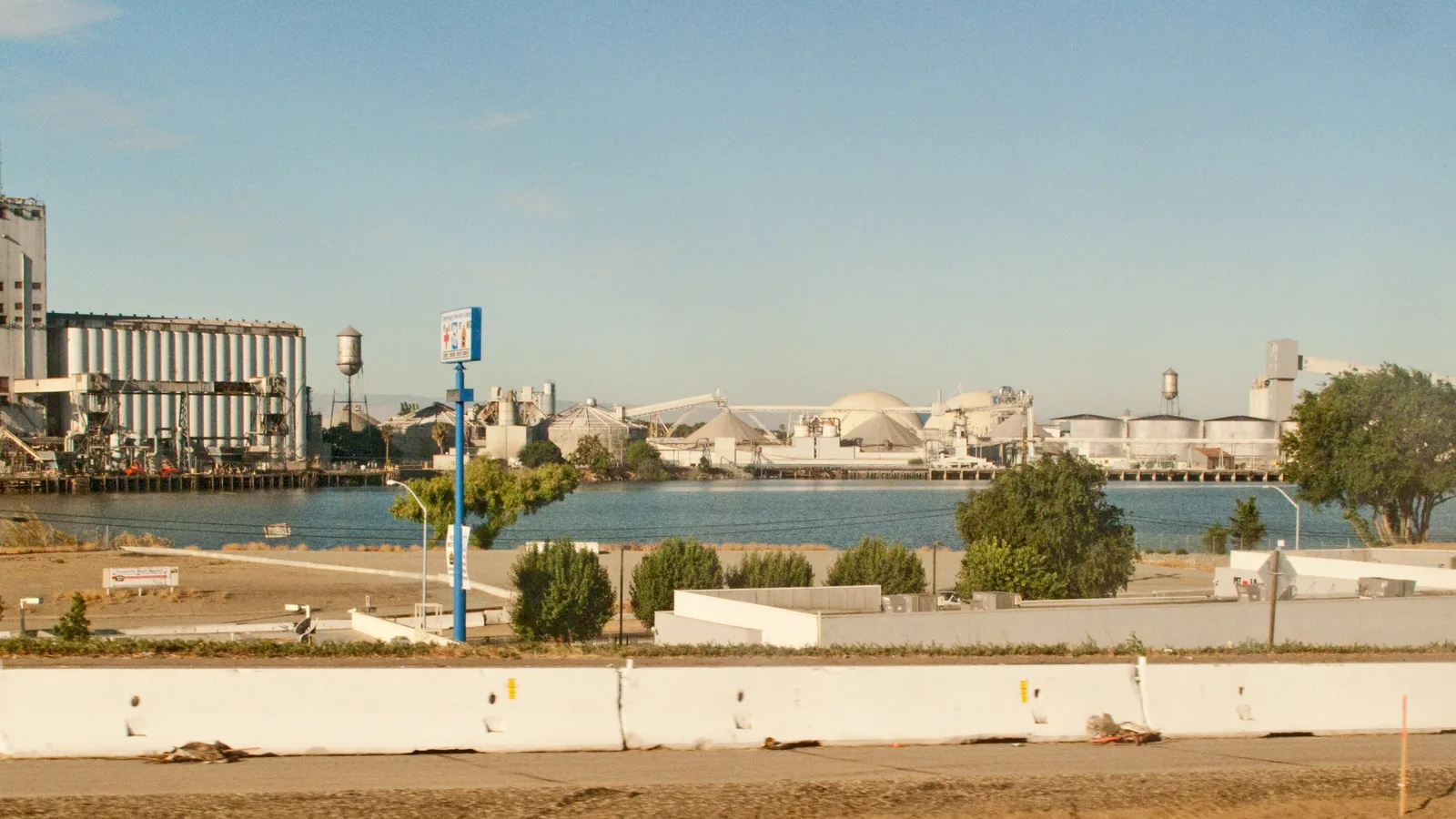
San Joaquin County, in the Central Valley east of the San Francisco Bay Area, grew from 258,122 to 290,380 jobs. Transportation and warehousing added 15,054 jobs, the most of any sector, as warehousing grew from 18,147 to 28,518 and couriers from 2,844 to 4,722. Manufacturing added 3,226. In Lathrop, Tesla runs its Megafactory, which the company says can build 10,000 Megapack batteries a year for power grids. The pace has slowed: county employment rose 0.9% from 2024 to 2025, the smallest one-year gain in the top ten apart from Brooklyn’s.
San Joaquin had 47 eligible tracts; 12 were designated, 1 rural. Seven are in Stockton, two in Manteca, one in Lodi and one in Kennedy, just south of Stockton. The rural tract covers about 56 square miles in the Escalon area. See the San Joaquin County page.
The job-growth county with no zones
Montgomery County, Texas, had 192,400 jobs in 2019, just under our 200,000-job line, and 235,441 in 2025, a gain of 22.4%. Had it qualified, it would have ranked third, between Denton and Travis. Treasury’s eligibility file shows 17 Montgomery tracts were eligible, and none made the final list. It is the second time Montgomery has been the county left out: it was also the fastest-growing county without a zone on our population list. See the Montgomery County page.
Among smaller counties, Comal County, Texas, between San Antonio and Austin, grew from 59,502 jobs to 77,346, up 30.0%. It had 2 eligible tracts and no designated ones. See the Comal County page.
What happens next
The 2027 zones take effect on January 1, 2027, and run through December 31, 2036. The zone map stays fixed for those ten years, while BLS keeps counting jobs every quarter; its next county release, with second-quarter 2026 data, is scheduled for December 2, 2026. Anyone can check whether an address is in a designated tract with the designation checker, browse the OZ 2.0 final list or explore the map. State pages for Texas, Florida and New York list every designated tract. The next story in this series ranks counties by another measure.
This article is for general information. It is not tax, legal or investment advice.
FAQ
Which county had the fastest job growth among counties with 2027 Opportunity Zones?
Collin County, Texas. Its average employment rose 30.5%, from 430,949 in 2019 to 562,572 in 2025, the fastest of any county with at least 200,000 jobs in 2019. Three of its tracts are designated.
How did OZI measure job growth?
Percentage change in annual average employment, all industries and ownerships, from 2019 to 2025 in the BLS Quarterly Census of Employment and Wages, for the 154 counties with at least 200,000 jobs in 2019. We kept counties with at least one tract on Treasury’s final list.
Which job-growth county in the top ten has the most designated tracts?
Kings County, New York (Brooklyn), with 67 designated tracts. Its jobs grew 16.2%, mostly in home health care and related services.
Why is Montgomery County, Texas, not on the list?
It had 192,400 jobs in 2019, just under the 200,000-job line, and grew 22.4% by 2025. Even so, none of its 17 eligible tracts were designated, so it has no Opportunity Zones on the 2027 map.
When do the new zones take effect?
January 1, 2027. They run for ten years, through December 31, 2036, under IRS Notice 2026-67.
- home.treasury.gov (1), as of November 23, 2026
- home.treasury.gov (2), as of November 23, 2026
- home.treasury.gov (3), as of November 23, 2026
- irs.gov, as of November 23, 2026
- bls.gov (1), as of November 23, 2026
- bls.gov (2), as of November 23, 2026
- bls.gov (3), as of November 23, 2026
- www2.census.gov, as of November 23, 2026
- geocoding.geo.census.gov, as of November 23, 2026
- jpmorganchase.com, as of November 23, 2026
- content.civicplus.com, as of November 23, 2026
- pressroom.toyota.com, as of November 23, 2026
- alliancetexas.com, as of November 23, 2026
- kxan.com, as of November 23, 2026
- techcrunch.com, as of November 23, 2026
- gardner.utah.edu, as of November 23, 2026
- micron.com, as of November 23, 2026
- stlukesonline.org, as of November 23, 2026
- chwsny.org, as of November 23, 2026
- comptroller.nyc.gov, as of November 23, 2026
- health.ny.gov, as of November 23, 2026
- lakelandgov.net, as of November 23, 2026
- cfdc.org, as of November 23, 2026
- flgov.com, as of November 23, 2026
- governor.nc.gov, as of November 23, 2026
- cityblog.huntsvilleal.gov, as of November 23, 2026
- blueorigin.com, as of November 23, 2026
- tesla.com, as of November 23, 2026
- data.bls.gov (1), as of November 23, 2026
- data.bls.gov (2), as of November 23, 2026
- data.bls.gov (3), as of November 23, 2026
- data.bls.gov (4), as of November 23, 2026
- data.bls.gov (5), as of November 23, 2026
- data.bls.gov (6), as of November 23, 2026
- data.bls.gov (7), as of November 23, 2026
- data.bls.gov (8), as of November 23, 2026
- data.bls.gov (9), as of November 23, 2026
- data.bls.gov (10), as of November 23, 2026
- data.bls.gov (11), as of November 23, 2026
- data.bls.gov (12), as of November 23, 2026
- data.bls.gov (13), as of November 23, 2026
- data.bls.gov (14), as of November 23, 2026
- data.bls.gov (15), as of November 23, 2026
- data.bls.gov (16), as of November 23, 2026
- data.bls.gov (17), as of November 23, 2026
- data.bls.gov (18), as of November 23, 2026
- data.bls.gov (19), as of November 23, 2026
- data.bls.gov (20), as of November 23, 2026
- data.bls.gov (21), as of November 23, 2026
- data.bls.gov (22), as of November 23, 2026
- data.bls.gov (23), as of November 23, 2026
- data.bls.gov (24), as of November 23, 2026
Original reporting by the Opportunity Zone Invest Editorial Team for Opportunity Zone Invest, an independent OZ 2.0 research site. Facts are drawn from the primary sources cited above per our editorial standards. Nothing here is tax, legal, or investment advice. Found an error? See our corrections policy or write to Opportunity Zone Invest.
OZ tools: Opportunity Zone calculator · OZ 2.0 designation checker · 180-day rule calculator · Form 8997 instructions · Form 8996 instructions · all tools
Fund managers: Advertise your fund
Get OZ 2.0 updates
OZ 2.0 news, guidance, and key deadlines. Unsubscribe anytime.