
St. Johns County, Florida, grew 26.7% from 2020 to 2025, faster than any other U.S. county of its size, and two of its tracts are on Treasury’s final Opportunity Zone list. OZI ranked counties of at least 250,000 people by Census Bureau growth and kept those with designated tracts. The ten hold 52 of the 6,576 tracts that take effect January 1, 2027. Six are in Florida. Here is what is driving their growth and where their zones sit.
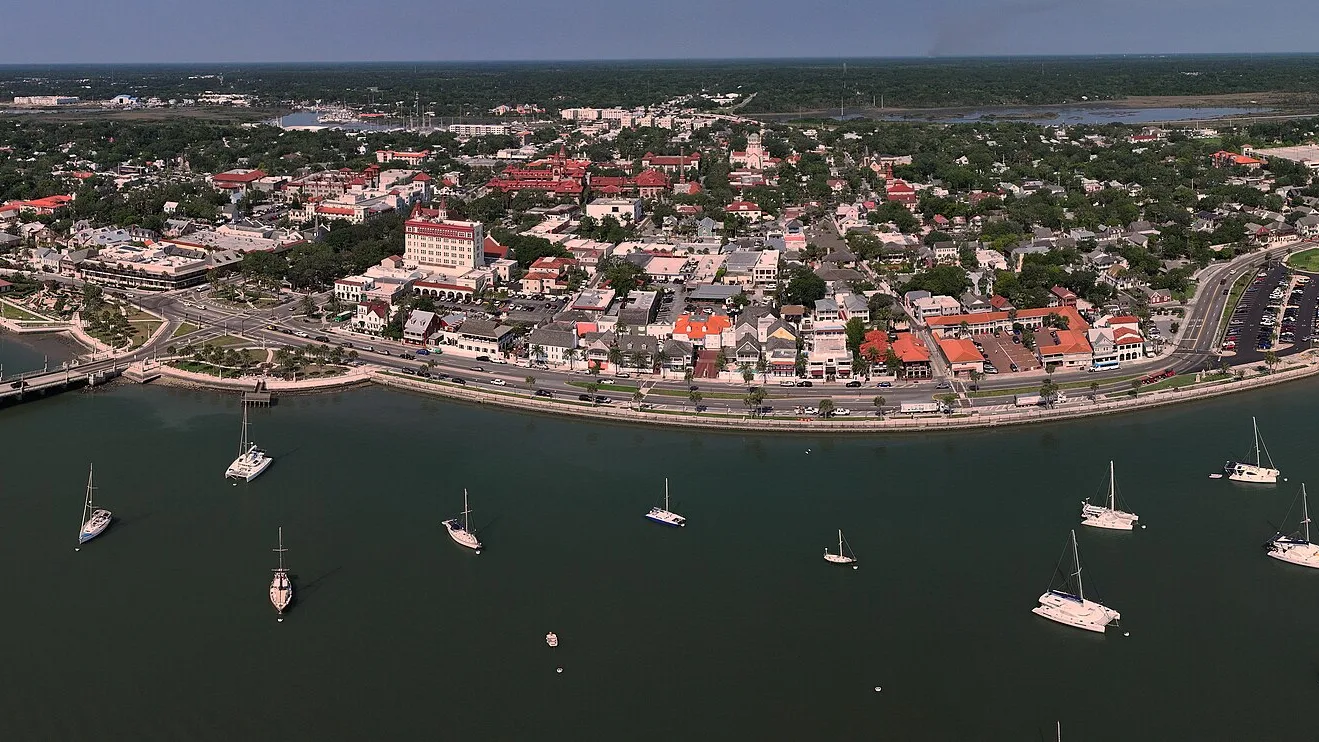
ST. AUGUSTINE, Fla. — In April 2020, St. Johns County had 273,426 residents. By July 1, 2025, the Census Bureau put it at 346,328, a gain of 26.7%, the fastest of any county in the country that started the decade with at least 250,000 people. Two of its census tracts, one inside St. Augustine’s city limits and one just outside them, are on Treasury’s final list of Opportunity Zones that take effect January 1, 2027.
St. Johns leads a list that looks different from the map of the nation’s biggest zone counties. OZI ranked the counties with the most designated tracts on November 20; that list runs through Los Angeles, Chicago, Brooklyn and Detroit. Rank counties by how fast they are growing instead, and keep only those with at least one designated tract, and the map shifts to Central Florida, the Treasure Coast, the Grand Strand, the edges of Phoenix and the northern suburbs of Dallas and Austin.
The ten counties below added 1,138,308 residents between April 2020 and July 2025, according to the Census Bureau’s Vintage 2025 estimates, while the nation grew 3.1%. Together they hold 52 of the 6,576 tracts on the final list, 18 of them rural. Six of the ten are in Florida.
Lead photo: The Bridge of Lions in St. Augustine, looking west toward the old city at sunset in January 2024. Credit: A345321 / Wikimedia Commons, CC0; cropped and resized.
Why growth and designation matter together
Opportunity Zones are census tracts with low incomes or high poverty, where the tax code rewards long-term investment of capital gains. The new round runs ten years, from January 1, 2027, through December 31, 2036, under IRS Notice 2026-67. In a fast-growing county, a designated tract can sit close to new roads, new rooftops and new employers, even though it qualified because the people living there earn less or are poorer than the area around them. That mix of demand and need is what makes these ten counties worth a close look as OZ 2.0 begins.
Growth did not guarantee a designation. Montgomery County, Texas, north of Houston, grew 25.9% over the same period, the third-fastest rate among the 279 large counties we reviewed. Treasury’s eligibility file shows 17 Montgomery tracts were eligible, but none of them made the final list, so the county does not appear below.
How we ranked them
OZI started with every county in the 50 states and the District of Columbia that had at least 250,000 residents in the Census Bureau’s April 1, 2020, estimates base, 279 counties in all. We ranked them by percentage population growth from that base to July 1, 2025, using the Census Bureau’s Vintage 2025 county file, released March 26, 2026. We then kept the ten fastest that have at least one tract on Treasury’s final list, matching the first five digits of each 11-digit tract number to its county. As a check on whether growth is bringing work with it, we added each county’s change in average employment from 2019 to 2025 from the Bureau of Labor Statistics’ Quarterly Census of Employment and Wages. We used 2019 rather than 2020 so the pandemic’s drop in jobs would not inflate the gains. Tract locations come from the Census Bureau’s geocoder and describe where the center of each tract falls; a tract can cross a city line.
| # | County | Pop. growth 2020–25 | Jobs 2019–25 | Designated tracts |
|---|---|---|---|---|
| 1 | St. Johns County, Florida | +26.7% | +27.4% | 2 |
| 2 | Pinal County, Arizona | +26.6% | +26.7% | 8 |
| 3 | Osceola County, Florida | +23.9% | +18.3% | 7 |
| 4 | Williamson County, Texas | +23.6% | +31.3% | 6 |
| 5 | St. Lucie County, Florida | +22.2% | +15.2% | 5 |
| 6 | Horry County, South Carolina | +21.8% | +9.2% | 4 |
| 7 | Collin County, Texas | +21.7% | +30.5% | 3 |
| 8 | Polk County, Florida | +20.7% | +16.1% | 8 |
| 9 | Pasco County, Florida | +20.0% | +23.5% | 8 |
| 10 | Lake County, Florida | +18.8% | +17.1% | 1 |
Sources: Census Bureau Vintage 2025 population estimates (April 1, 2020, estimates base to July 1, 2025); BLS QCEW annual average employment, all ownerships, 2019 and 2025; Treasury’s final designations file.
1. St. Johns County, Florida: up 26.7%
Almost all of St. Johns County’s growth came from people moving in. The Census Bureau counts 70,554 more people arriving from elsewhere in the United States than leaving between 2020 and 2025, while deaths slightly outnumbered births. Most of them settled outside the old city. Florida’s official April 2026 estimates put St. Augustine at 16,693 residents and the county’s unincorporated area at 334,141. Average employment rose 27.4% from 2019 to 2025, to 100,949 jobs.
The county’s designated tracts are in and around its oldest city. Tract 203 is inside St. Augustine; tract 210.02 is just outside the city limits. Both are rural under the federal definition, which counts any tract outside a city of more than 50,000 people and its adjacent urban area. They are also the only two St. Johns tracts that were eligible at all. See the St. Johns County page.
2. Pinal County, Arizona: up 26.6%
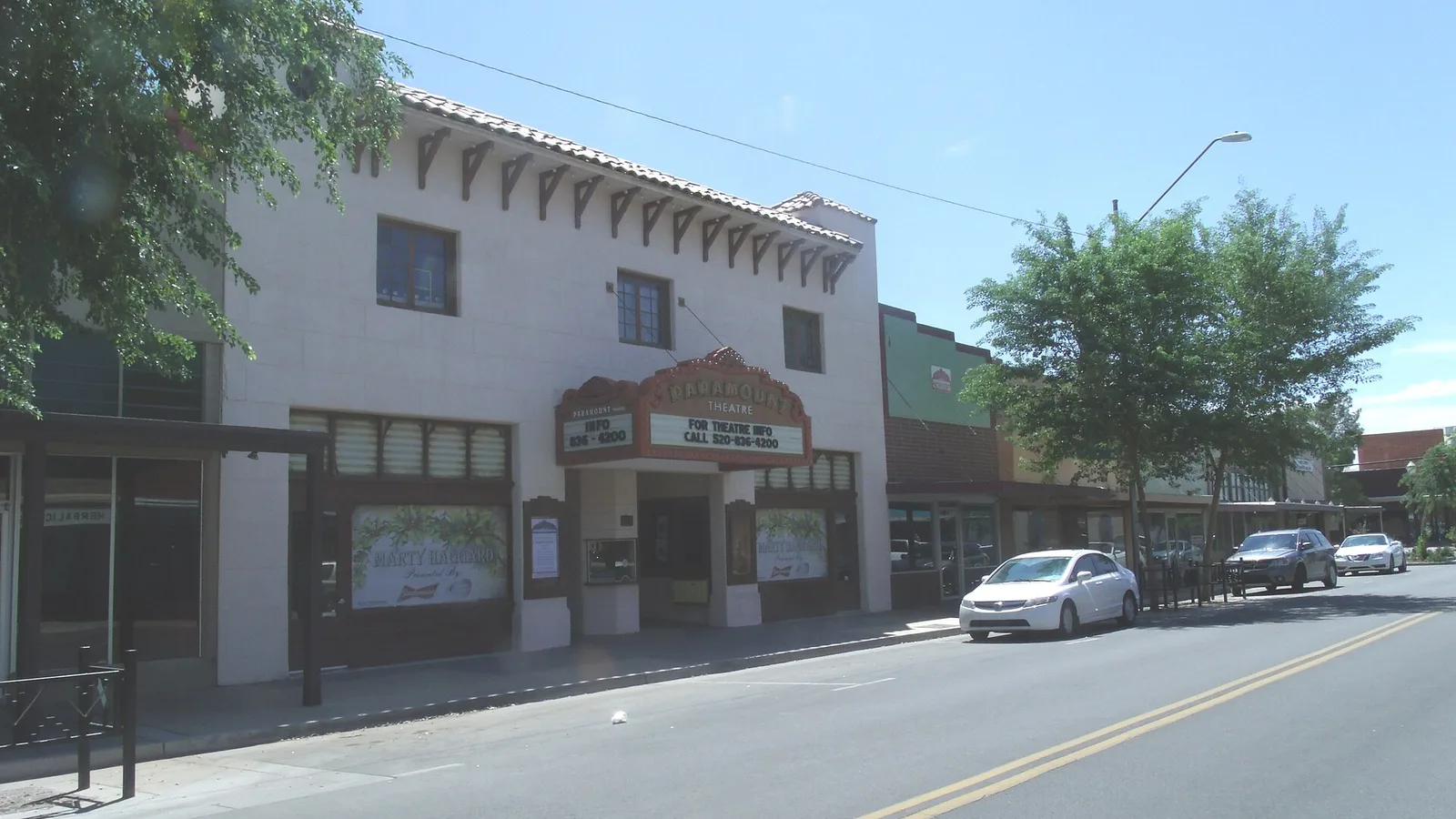
Pinal County, between Phoenix and Tucson, grew from 425,993 to 539,380 people. It is still among the fastest-growing counties in the country: its 4.6% gain from 2024 to 2025 was the seventh-fastest of any U.S. county with at least 20,000 residents, according to the Census Bureau’s March 2026 release. Employment rose 26.7% from 2019 to 2025. Manufacturing is part of the draw. In Casa Grande, Lucid expanded its AMP-1 plant in 2024 to more than 3.85 million square feet ahead of production of its Gravity SUV.
Pinal’s 8 designated tracts, 3 of them rural, are spread across the county’s older towns: one each in Apache Junction, Superior, Coolidge, Casa Grande and Eloy, one near Florence, one just outside Casa Grande, and tract 9413 on the Gila River Indian Reservation. Pinal had 28 eligible tracts. See the Pinal County page.
3. Osceola County, Florida: up 23.9%
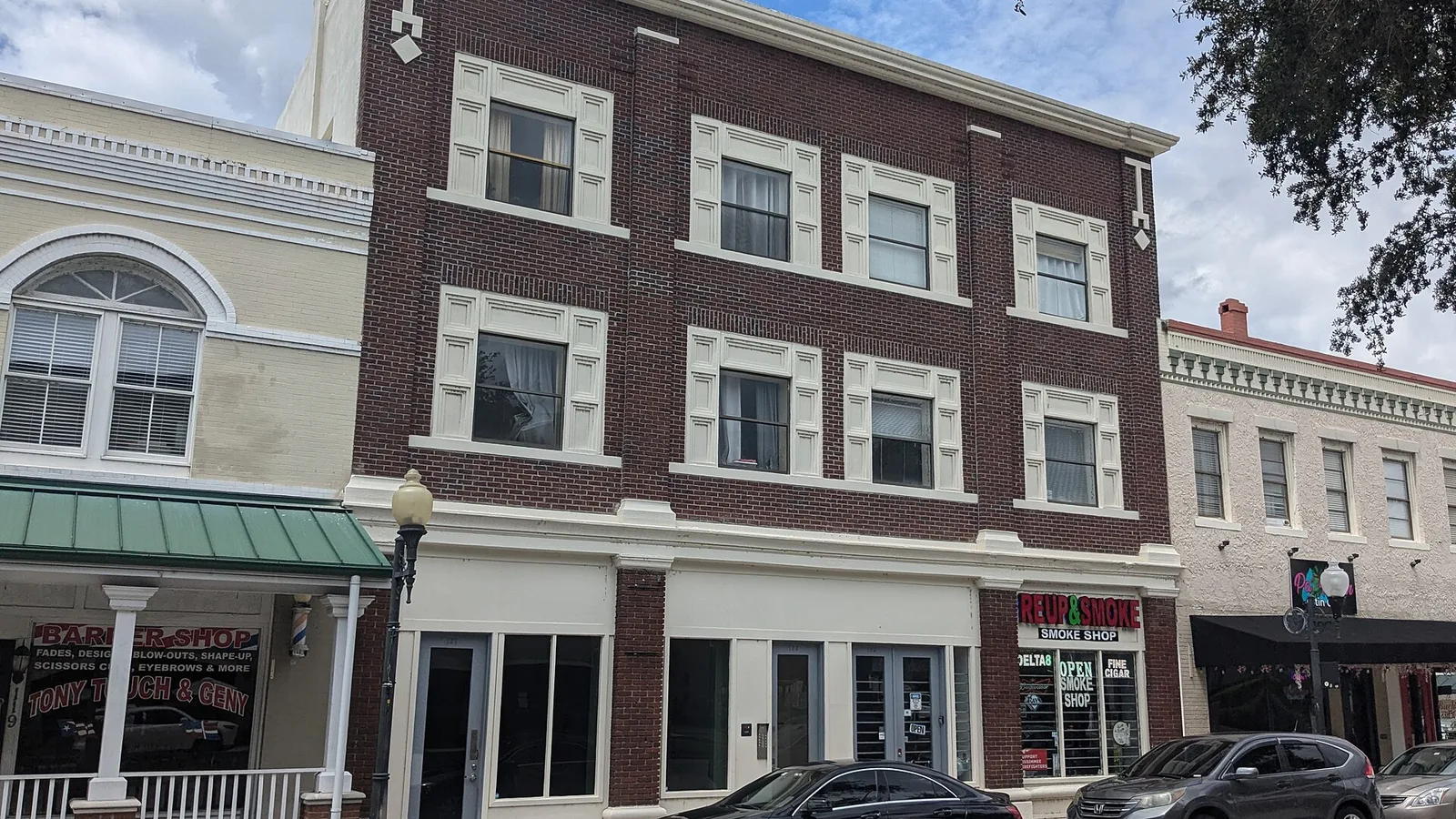
South of Orlando, Osceola County added 93,071 residents. International migration added a net 39,448 residents, nearly as many as the 44,248 who moved in from elsewhere in the country. “As one of the fastest-growing counties in Florida – and the nation – our choices must be intentional, impactful, and forward-looking,” Commission Chairwoman Viviana Janer said at the county’s 2025 State of the County address, where officials said the county would break ground in 2026 on a lab at NeoCity, its 500-acre technology campus. Employment rose 18.3% from 2019 to 2025.
Osceola’s seven designated tracts sit along the county’s urban spine. Two are in Kissimmee and two in St. Cloud, which has added 25,009 residents since 2020, according to the state’s estimates. Two more are in unincorporated areas between the cities, and one rural tract covers about 735 square miles of the county’s south and east. See the Osceola County page.
4. Williamson County, Texas: up 23.6%
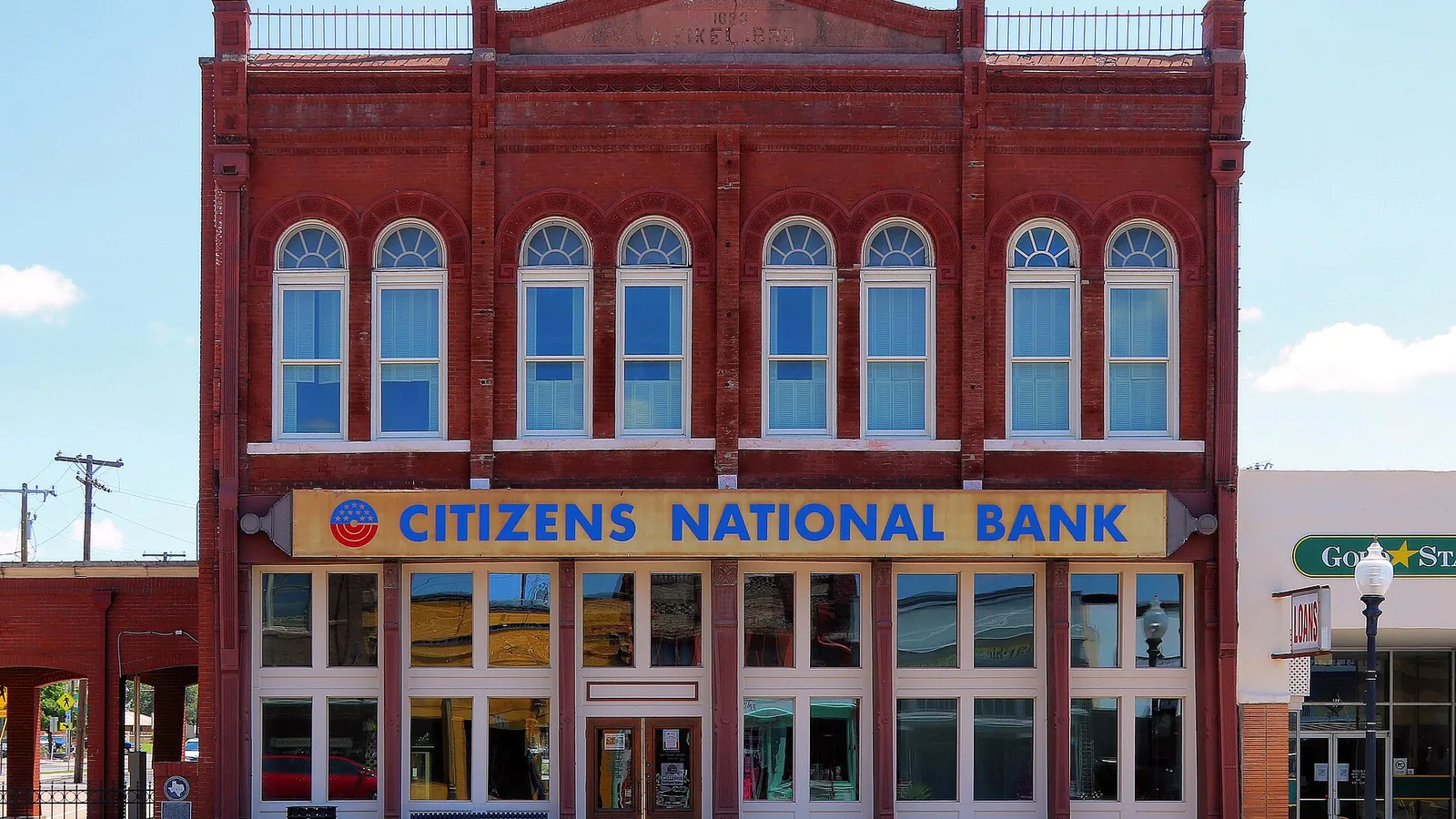
Williamson County, north of Austin, had the strongest job growth of the ten. Average employment climbed from 181,546 in 2019 to 238,420 in 2025, up 31.3%. Its population rose 143,768, and its gain of 23,814 from 2024 to 2025 was the ninth-largest of any county in the nation, the Census Bureau reported.
On the county’s east side, Samsung is finishing a chip plant in Taylor. The company says its initial investment there is at least $17 billion, and in October it said the plant is expected to be operational by the end of 2026. Two of Williamson’s designated tracts, 210 and 211, are inside Taylor, and rural tract 208.08 is outside the city limits in the surrounding Taylor area. The other three are in Georgetown, Round Rock and the Williamson County part of Austin. See the Williamson County page.
5. St. Lucie County, Florida: up 22.2%
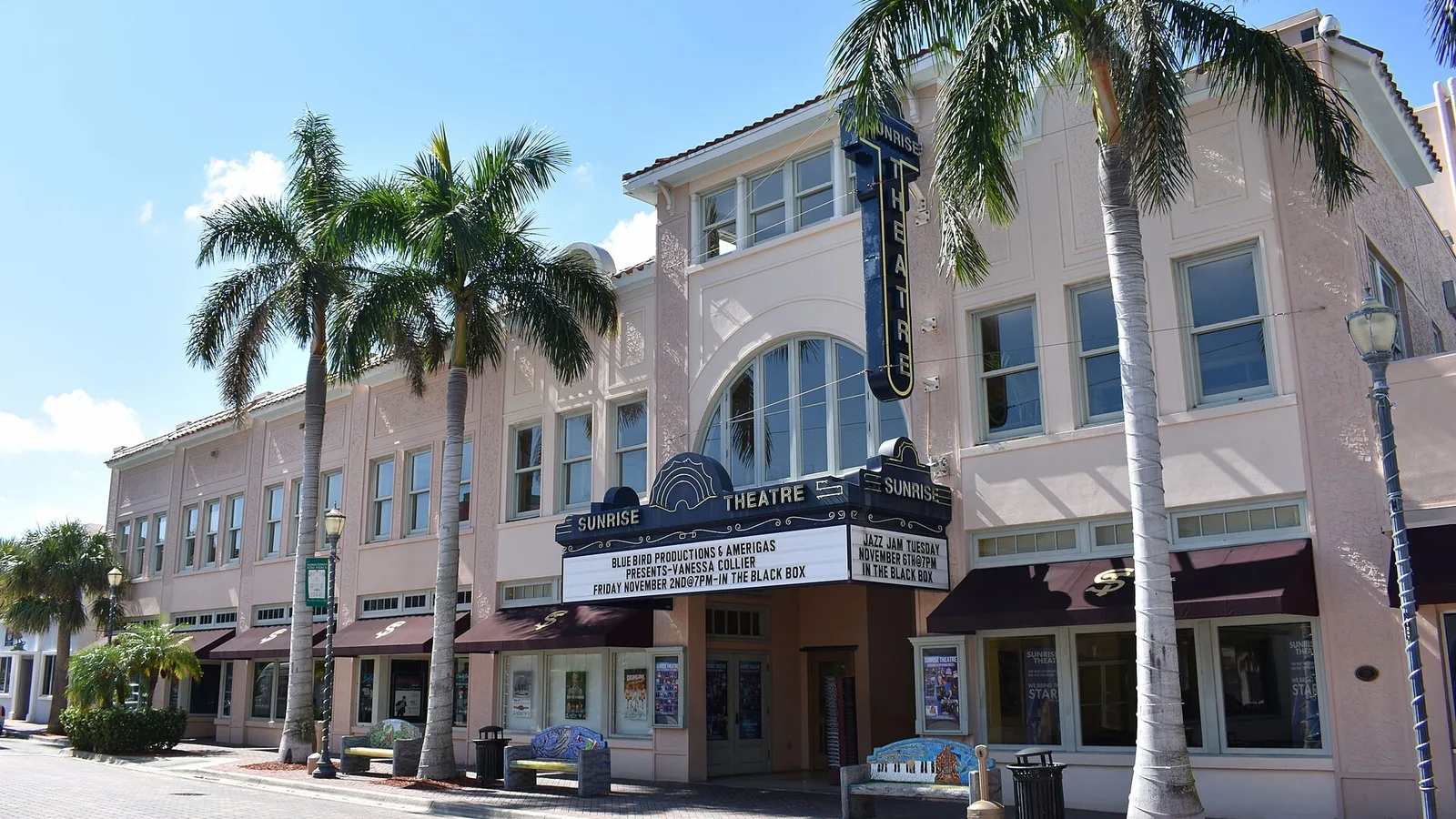
On the Treasure Coast, St. Lucie County grew 22.2% to 402,449 people, and most of that growth has landed in one city. Florida’s April 2026 estimates put Port St. Lucie at 271,267 residents, up 66,416 since 2020, while Fort Pierce, the county seat, added 5,380. Employment rose 15.2% from 2019 to 2025.
The designated tracts lean the other way. Four of the five are in and around Fort Pierce: tract 3801 and tract 3809.01 in the city, one in Fort Pierce North and one in the unincorporated area north of the city. The fifth is in Port St. Lucie. In downtown Fort Pierce, the city’s redevelopment agency says it expects to finish rebuilding Indian River Drive between Seaway Drive and Avenue A in spring 2027. See the St. Lucie County page.
6. Horry County, South Carolina: up 21.8%
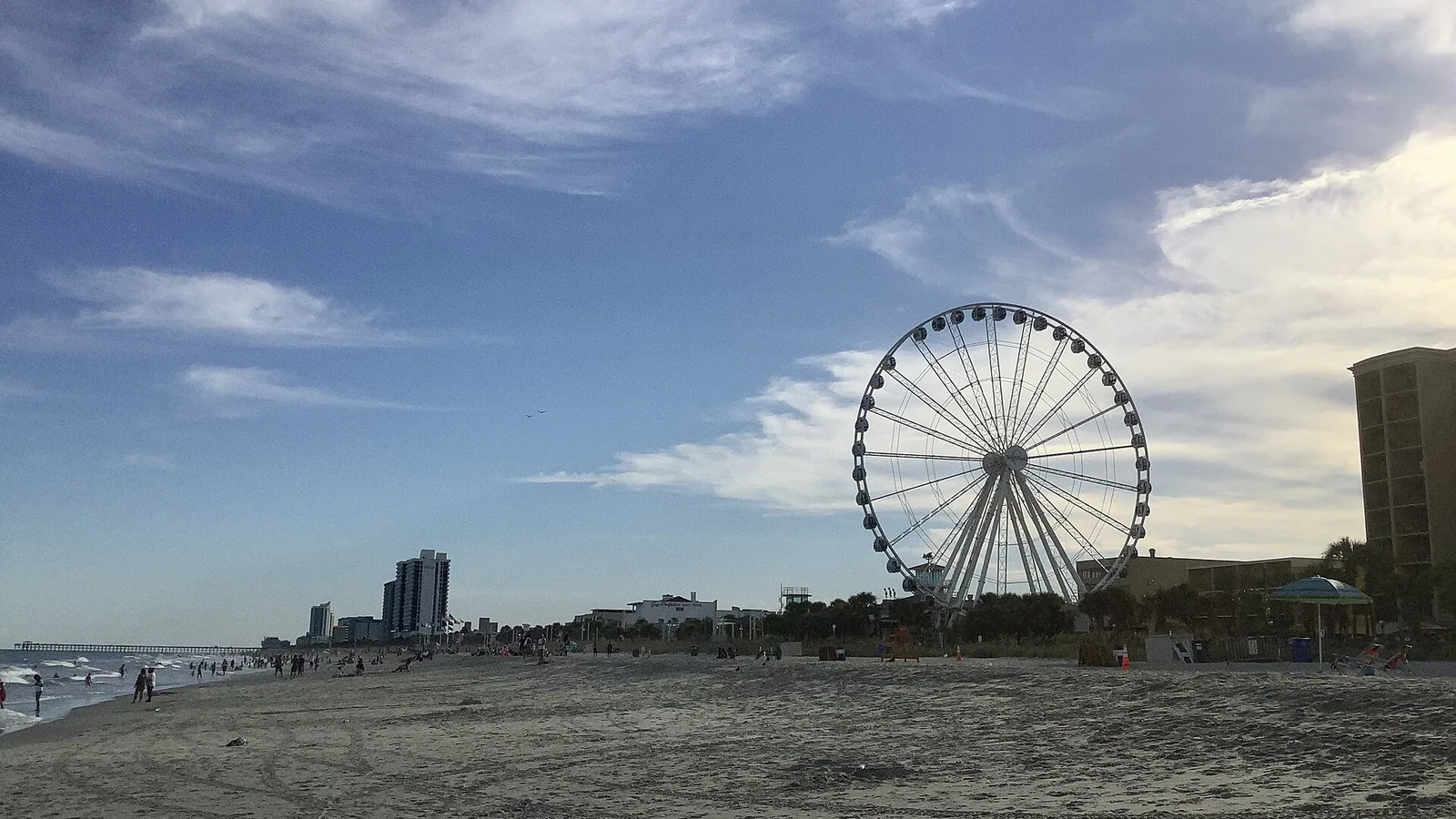
Horry County, home to Myrtle Beach, grew entirely through migration: deaths outnumbered births by 9,638, while a net 78,431 people moved in from other parts of the country. Census Bureau demographers found that older Americans, particularly those 55 and older, drove migration to Horry and North Carolina’s Brunswick County for much of the past 15 years. Jobs grew more slowly here than anywhere else on the list, up 9.2% from 2019 to 2025.
All four of Horry’s designated tracts are rural under the federal definition. Tract 506 and tract 507 are inside Myrtle Beach, where the city has an Arts & Innovation District plan for its downtown. The others are in Garden City and Conway, the county seat. See the Horry County page.
7. Collin County, Texas: up 21.7%
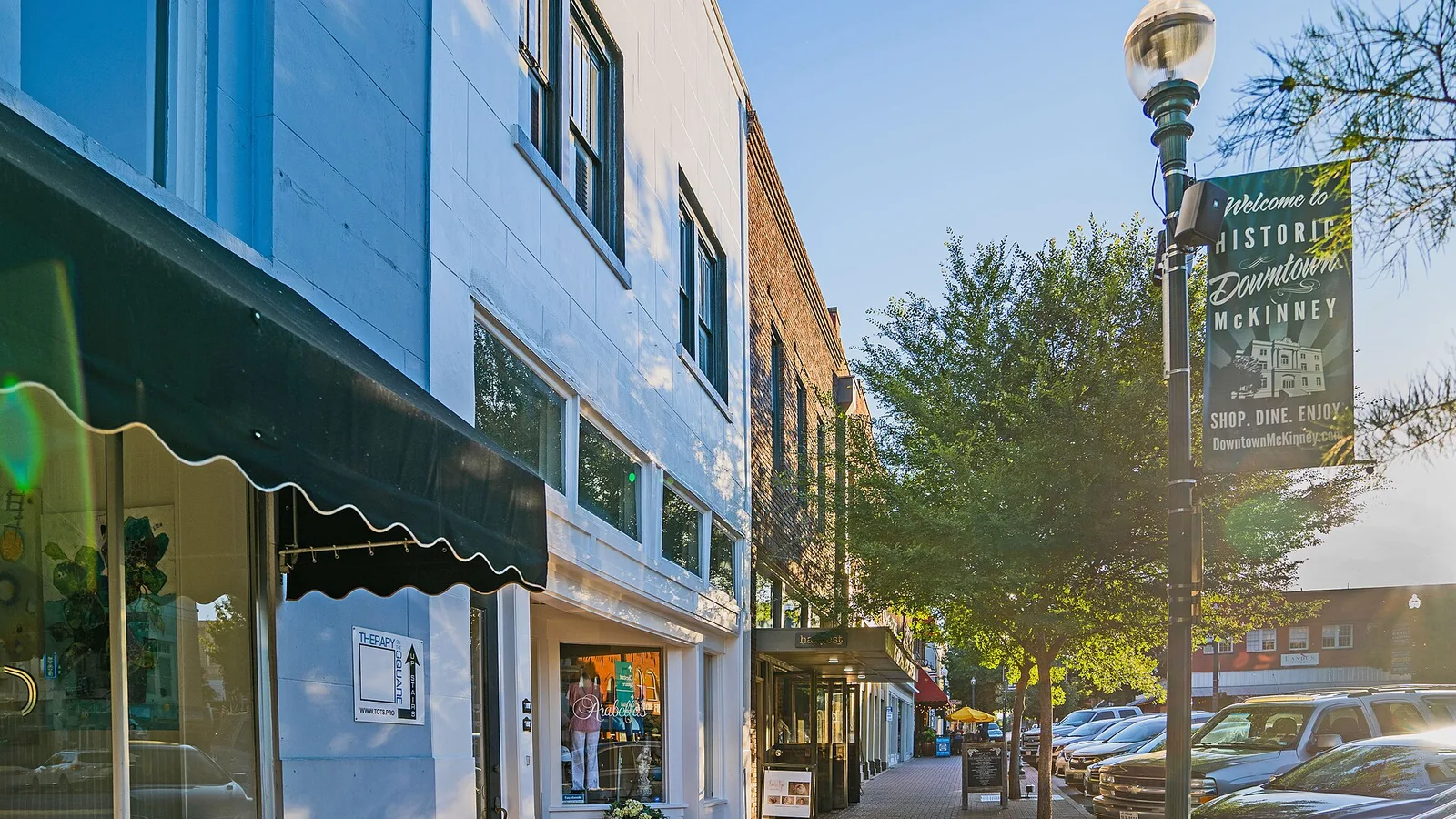
Collin County is the only county on this list with more than a million people, and it is still adding them quickly. It grew by 230,978 residents from 2020 to 2025, more than any other county here, and its gain of 42,966 from 2024 to 2025 was second only to Harris County, Texas, nationwide, according to the Census Bureau. The bureau noted that among large metro areas, the fastest-growing counties tended to be on the outer edges, “a pattern especially pronounced in Texas.” Employment rose by 131,623 jobs, or 30.5%, from 2019 to 2025.
Collin has only 3 designated tracts, none rural. Two, 309.01 and 309.03, are in McKinney, the county seat. The third, tract 317.20, covers about a fifth of a square mile in the part of Dallas that lies in Collin County. See the Collin County page.
8. Polk County, Florida: up 20.7%
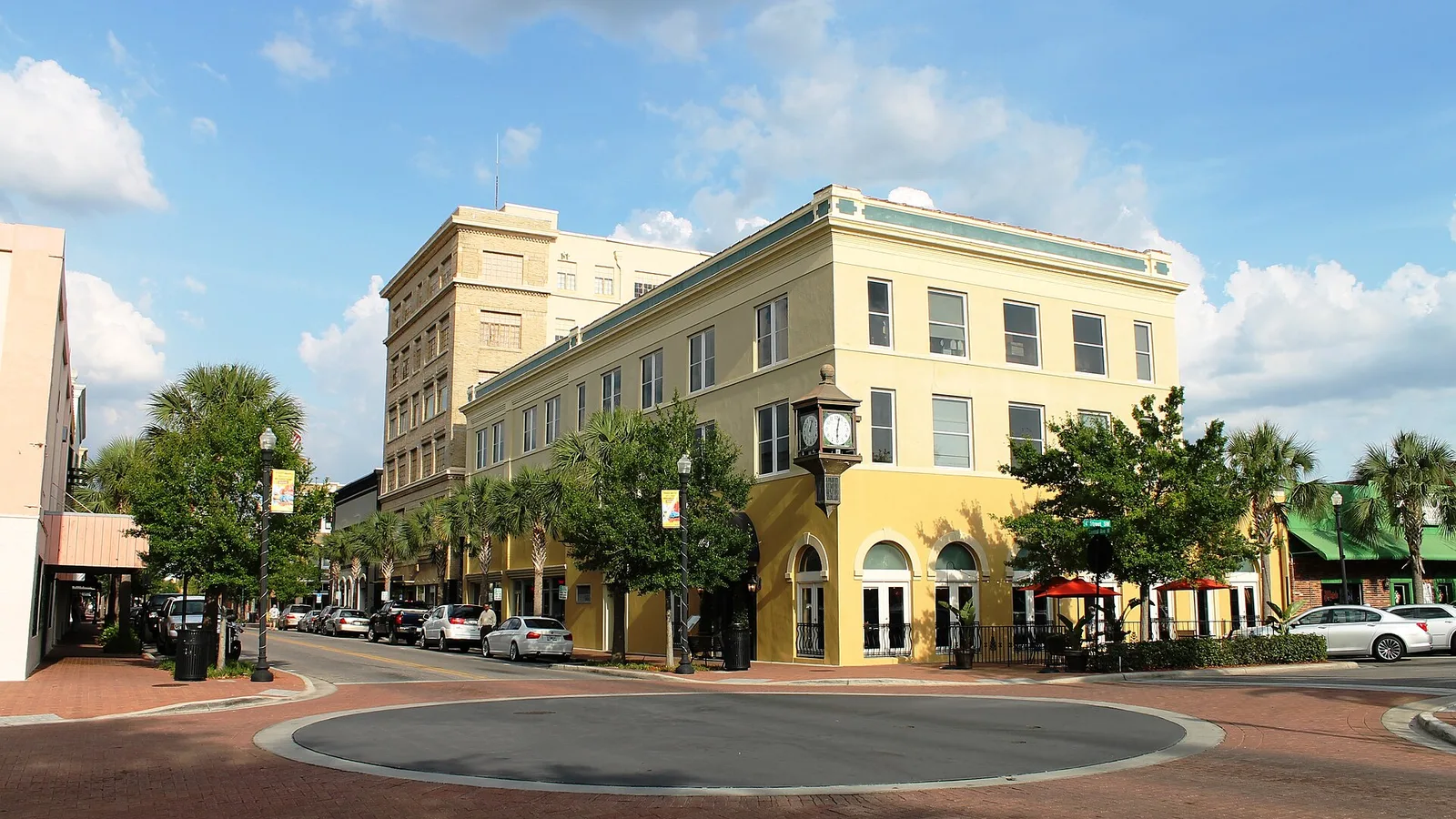
Polk County, between Tampa and Orlando on Interstate 4, added 149,748 residents, the second-largest numeric gain on this list after Collin. Employment rose 16.1% from 2019 to 2025. Freight is part of the picture. Winter Haven’s Central Florida Integrated Logistics Park has 930 acres of developable land next to a CSX rail intermodal facility, the governor’s office said when it awarded $1.5 million in 2025 to extend rail inside the park.
Polk had 57 eligible tracts, the most of any county on this list, and 8 were designated. Four are inside Winter Haven and a fifth is just outside it. The other three, two of them rural, are near Lake Wales and in the Census Bureau’s Bartow division in the south and west of the county. See the Polk County page.
9. Pasco County, Florida: up 20.0%
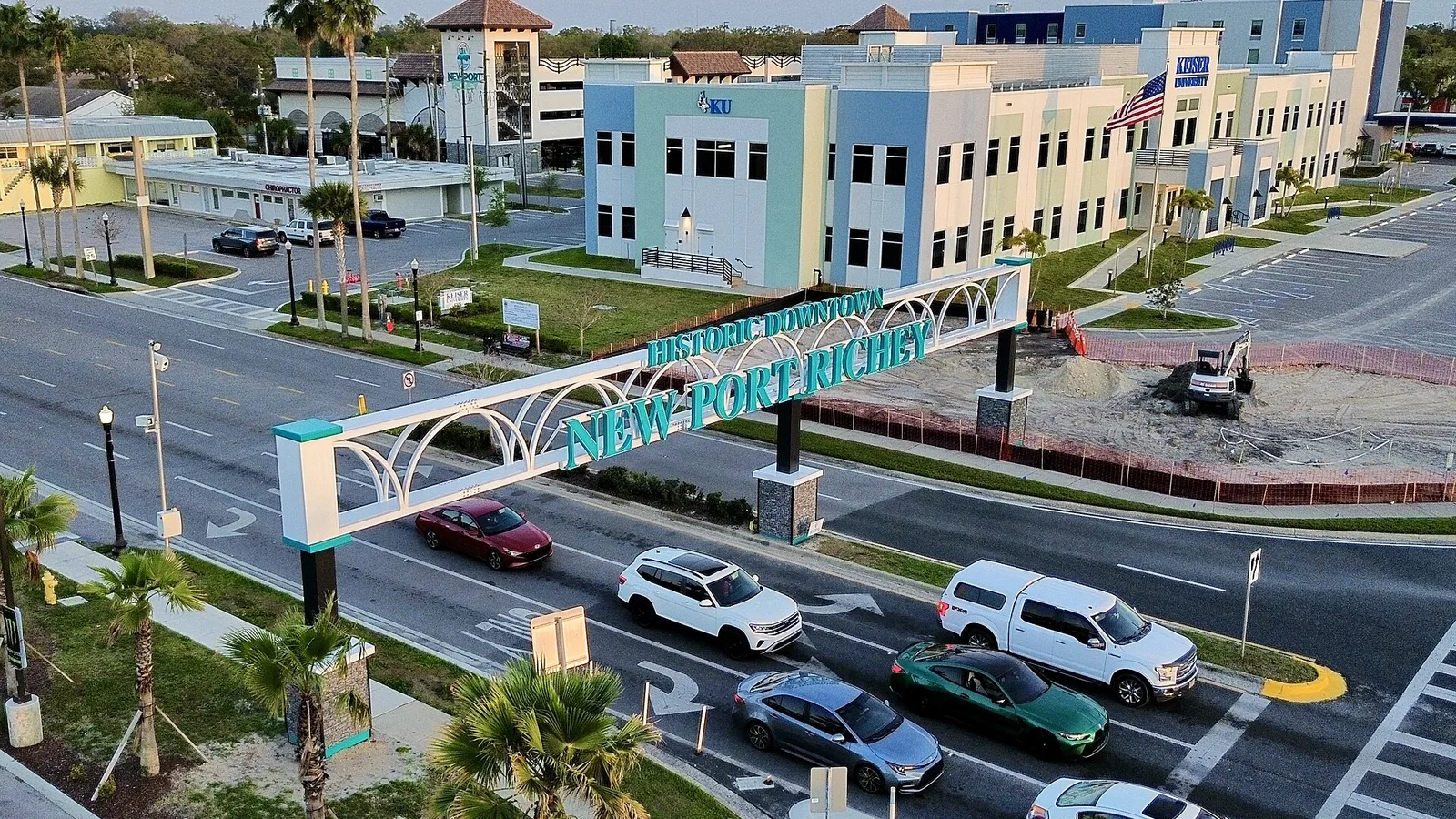
North of Tampa, Pasco County grew by 112,607 people as a net 112,413 moved in from other parts of the country. Its job growth from 2024 to 2025, 3.6%, was the fastest of the ten, and employment rose 23.5% from 2019. In Land O’ Lakes, Moffitt Cancer Center opened an outpatient center in January at Speros, a 775-acre campus that Moffitt says is projected to create more than 11,000 jobs over the next decade.
Most of Pasco’s designated tracts are on the older west side, along the Gulf and U.S. 19. Two are in New Port Richey, one each in Holiday and New Port Richey East, and two more are farther north in the Census Bureau’s Port Richey division. The remaining two, both rural, are in east Pasco, one in Pasadena Hills and one in the Zephyrhills area. See the Pasco County page.
10. Lake County, Florida: up 18.8%
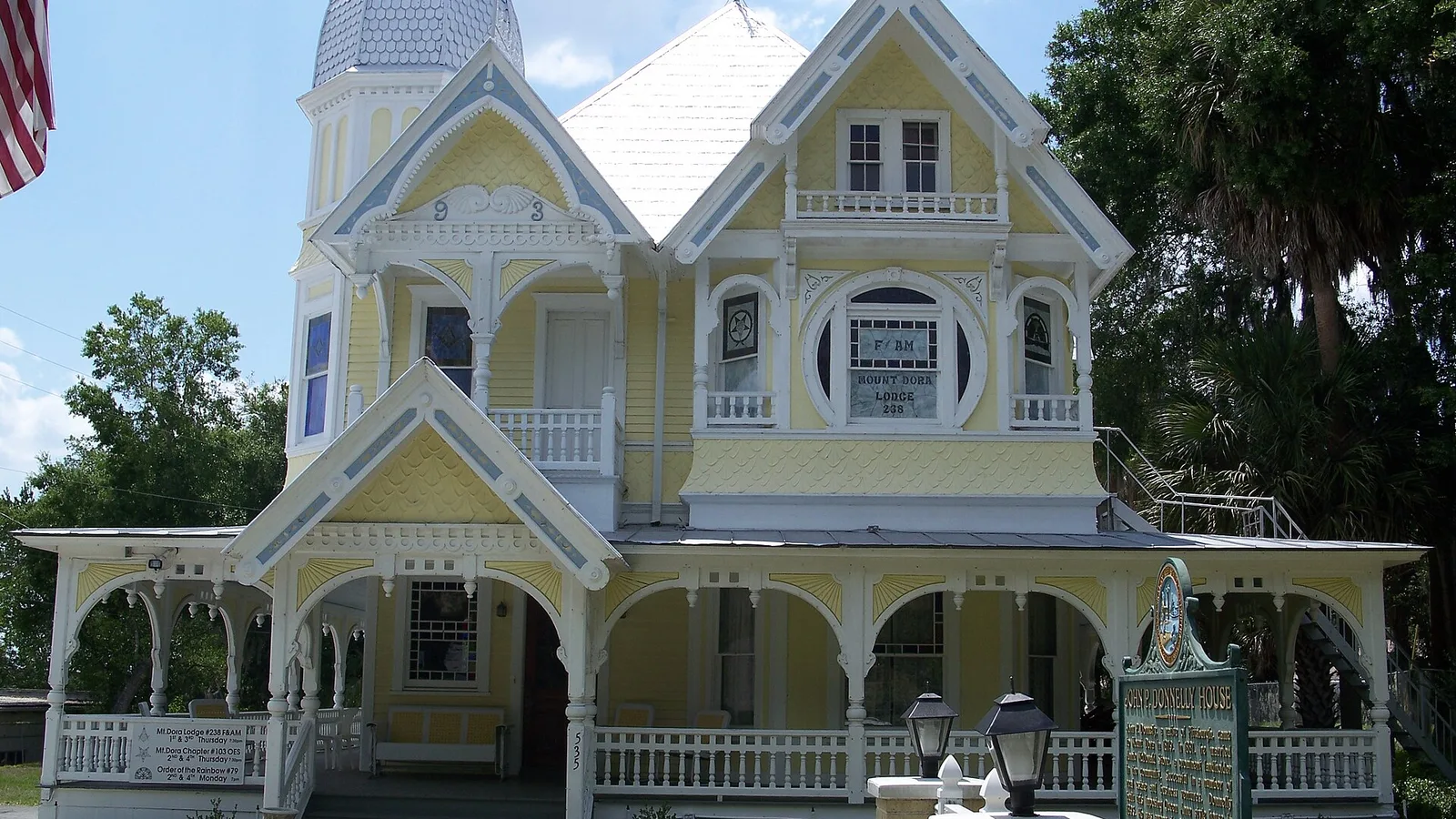
Lake County, northwest of Orlando, grew from 383,959 to 456,068 people. Like St. Johns, St. Lucie, Horry and Pasco, it had more deaths than births over the period and grew through migration. Part of The Villages retirement community lies in Lake, and Census Bureau demographers noted that the three counties it spans, Sumter, Lake and Marion, have kept drawing older movers. Employment rose 17.1% from 2019 to 2025.
Lake had 14 eligible tracts and one was designated: tract 309.15, in Mount Dora. It is rural under the federal definition. See the Lake County page.
What happens next
The 2027 zones take effect on January 1, 2027, and run through December 31, 2036. The Census Bureau updates its county population estimates every year, but the zone map stays fixed for the full ten years. Anyone can check whether an address is in a designated tract with the designation checker, browse the OZ 2.0 final list or explore the map. State pages for Florida, Texas, Arizona and South Carolina list every designated tract. For the counties with the most zones, see our November 20 ranking, and for how the list was built, see our report on Treasury’s final list.
This article is for general information. It is not tax, legal or investment advice.
FAQ
Which fast-growing county has the most Opportunity Zones for 2027?
Among the ten fastest-growing large counties with designated tracts, Pinal County, Arizona, and Polk and Pasco counties in Florida each have 8 tracts on Treasury’s final list.
How did OZI measure growth?
Percentage population change from the April 1, 2020, estimates base to July 1, 2025, in the Census Bureau’s Vintage 2025 county estimates, for counties with at least 250,000 residents in 2020. Job growth is from the BLS Quarterly Census of Employment and Wages, 2019 to 2025.
Why is Montgomery County, Texas, not on the list?
It grew 25.9%, third-fastest among large counties, but none of its 17 eligible tracts were designated, so it has no Opportunity Zones on the 2027 map.
When do the new zones take effect?
January 1, 2027. They run for ten years, through December 31, 2036, under IRS Notice 2026-67.
- home.treasury.gov (1), as of November 21, 2026
- home.treasury.gov (2), as of November 21, 2026
- home.treasury.gov (3), as of November 21, 2026
- irs.gov, as of November 21, 2026
- www2.census.gov, as of November 21, 2026
- census.gov (1), as of November 21, 2026
- census.gov (2), as of November 21, 2026
- census.gov (3), as of November 21, 2026
- bls.gov, as of November 21, 2026
- edr.state.fl.us, as of November 21, 2026
- lucidmotors.com, as of November 21, 2026
- osceola.org, as of November 21, 2026
- semiconductor.samsung.com (1), as of November 21, 2026
- semiconductor.samsung.com (2), as of November 21, 2026
- cityoffortpierce.com, as of November 21, 2026
- cityofmyrtlebeach.com, as of November 21, 2026
- flgov.com, as of November 21, 2026
- moffitt.org, as of November 21, 2026
- geocoding.geo.census.gov, as of November 21, 2026
- data.bls.gov (1), as of November 21, 2026
- data.bls.gov (2), as of November 21, 2026
- data.bls.gov (3), as of November 21, 2026
- data.bls.gov (4), as of November 21, 2026
- data.bls.gov (5), as of November 21, 2026
- data.bls.gov (6), as of November 21, 2026
- data.bls.gov (7), as of November 21, 2026
- data.bls.gov (8), as of November 21, 2026
- data.bls.gov (9), as of November 21, 2026
- data.bls.gov (10), as of November 21, 2026
- data.bls.gov (11), as of November 21, 2026
- data.bls.gov (12), as of November 21, 2026
- data.bls.gov (13), as of November 21, 2026
- data.bls.gov (14), as of November 21, 2026
- data.bls.gov (15), as of November 21, 2026
- data.bls.gov (16), as of November 21, 2026
- data.bls.gov (17), as of November 21, 2026
- data.bls.gov (18), as of November 21, 2026
- data.bls.gov (19), as of November 21, 2026
- data.bls.gov (20), as of November 21, 2026
Original reporting by the Opportunity Zone Invest Editorial Team for Opportunity Zone Invest, an independent OZ 2.0 research site. Facts are drawn from the primary sources cited above per our editorial standards. Nothing here is tax, legal, or investment advice. Found an error? See our corrections policy or write to Opportunity Zone Invest.
OZ tools: Opportunity Zone calculator · OZ 2.0 designation checker · 180-day rule calculator · Form 8997 instructions · Form 8996 instructions · all tools
Get OZ 2.0 updates
OZ 2.0 news, guidance, and key deadlines. Unsubscribe anytime.