Kaufman County, Texas, grew 44.0% from 2020 to 2025, faster than any other U.S. county with at least 20,000 residents, and two of its tracts are on Treasury’s final Opportunity Zone list. OZI ranked counties of 50,000 to 249,999 people by Census Bureau growth and kept those with designated tracts. The ten hold 29 tracts that take effect January 1, 2027, 24 of them rural. 6 are in Texas. Here is what is driving their growth and where their zones sit.
FORNEY, Texas — On April 1, 2020, Kaufman County, east of Dallas, had 145,337 residents. By July 1, 2025, the Census Bureau put it at 209,235, a gain of 44.0%. No U.S. county with at least 20,000 residents grew faster. Much of that growth landed in Forney, which went from 23,291 people to 41,658 over the same stretch, according to Census city estimates. One of Kaufman County’s two designated census tracts is in Forney and the other is in Terrell. Both are on Treasury’s final list of Opportunity Zones that take effect January 1, 2027.
This is the second story in OZI’s ten-part series ranking counties with designated tracts. The first story ranked the counties with the most job growth and 2027 Opportunity Zones. Our population ranking of large counties covered places with at least 250,000 residents, from St. Johns County, Florida, to the Dallas suburbs. This list looks one ring further out, at counties that started the decade with 50,000 to 249,999 people. They are the exurbs past the suburbs, the college towns on the interstates between big cities, and the retirement coasts and planned communities of the Southeast.
The ten counties below added 341,106 residents from April 2020 to July 2025, according to the Census Bureau’s Vintage 2025 estimates, while the nation grew 3.1%. 6 are in Texas. Together they hold 29 tracts on the final list, and 24 of those 29 are rural, a far higher share than on the national list, where 2,594 of 6,576 tracts are rural.
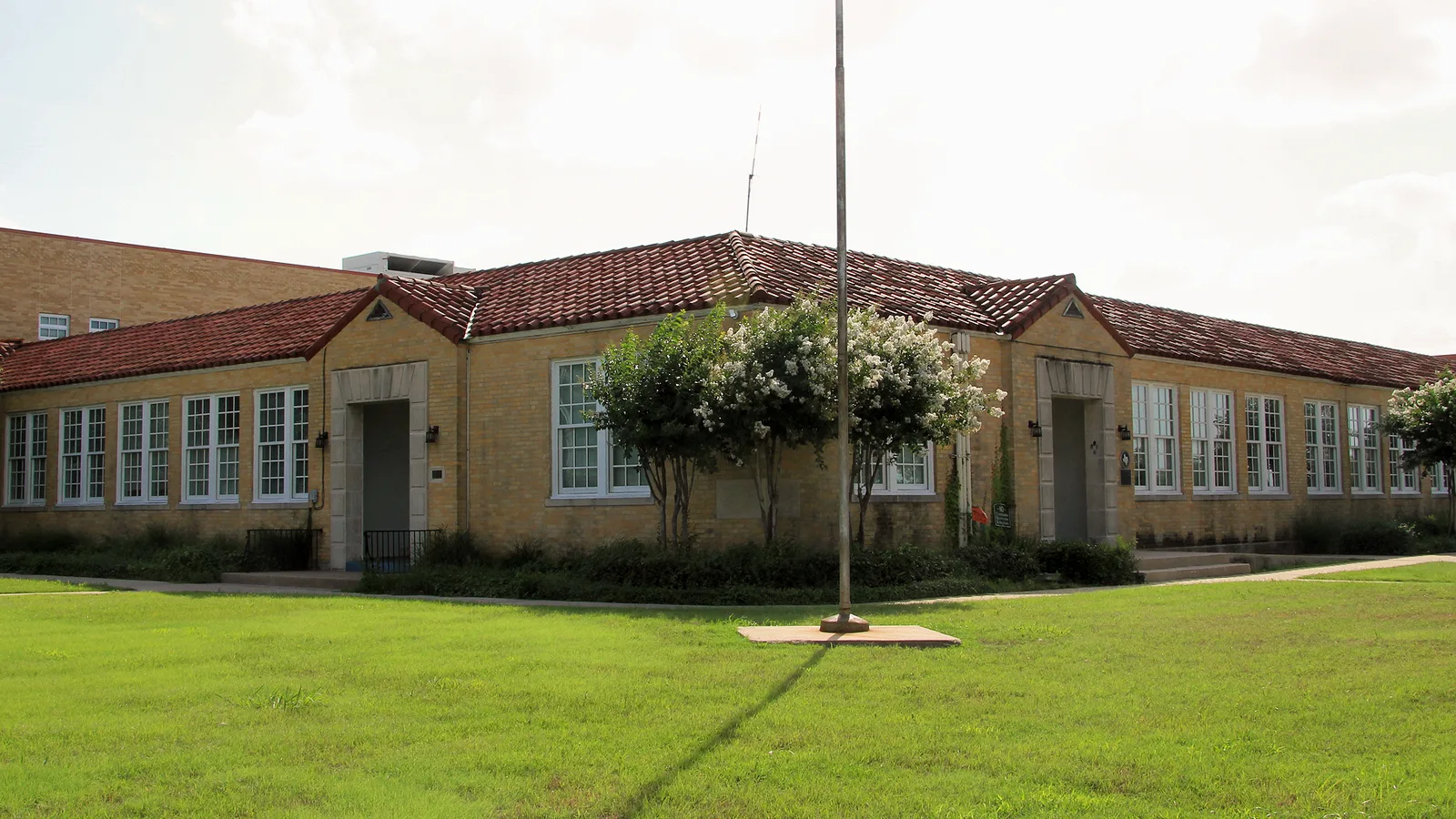
Lead photo: The old Forney High School in Forney, Texas, in June 2014. Credit: Larry D. Moore / Wikimedia Commons, CC BY 4.0; cropped and resized.
Why growth and designation matter together
Opportunity Zones are census tracts with low incomes or high poverty, where the tax code rewards long-term investment of capital gains. The new round runs ten years, from January 1, 2027, through December 31, 2036, under IRS Notice 2026-67. In a small county growing this fast, new subdivisions, warehouses and shopping centers can arrive faster than roads, water lines and schools. A designated tract there sits in a place where demand is rising, even though it qualified because the people living there earn less than the area around them.
The rural share matters too. Under the 2027 rules, rural tracts are those outside any city of more than 50,000 people and its adjacent urban area. 24 of the 29 designated tracts in these counties meet that test, including tracts inside fast-growing towns like Forney, Greenville and Elgin that are still below the 50,000 mark.
How we ranked them
OZI started with every county in the 50 states and the District of Columbia that had at least 50,000 and fewer than 250,000 residents in the Census Bureau’s April 1, 2020, estimates base, 713 counties in all. We ranked them by percentage population growth to July 1, 2025, using the Vintage 2025 county file released March 26, 2026. The 50,000 floor keeps very small counties from dominating; with a 20,000 floor, Jasper County, South Carolina, with 28,811 residents in 2020, would rank second. The 250,000 ceiling keeps this list separate from our large-county ranking.
We then kept the ten fastest that have at least one tract on Treasury’s final designations file, matching the first five digits of each 11-digit tract number to its county. Of the 713 counties, 91 have no designated tract. As a check on whether jobs are following the people, we added each county’s change in average employment from 2019 to 2025 from the Bureau of Labor Statistics’ Quarterly Census of Employment and Wages; jobs do not affect the rank. City figures come from the Census Bureau’s Vintage 2025 city and town estimates. Tract locations come from the Census Bureau’s geocoder and describe where the center of each tract falls.
| # | County | Pop. 2020 | Pop. 2025 | Growth | Jobs 2019–25 | Designated tracts (rural) |
|---|---|---|---|---|---|---|
| 1 | Kaufman County, Texas | 145,337 | 209,235 | +44.0% | +41.3% | 2 (2) |
| 2 | Jackson County, Georgia | 75,945 | 99,265 | +30.7% | +51.4% | 1 (1) |
| 3 | Brunswick County, North Carolina | 136,695 | 174,702 | +27.8% | +30.6% | 3 (3) |
| 4 | Hays County, Texas | 241,064 | 304,390 | +26.3% | +34.2% | 6 (1) |
| 5 | Ellis County, Texas | 192,460 | 240,867 | +25.2% | +22.8% | 1 (1) |
| 6 | Walton County, Florida | 75,305 | 93,288 | +23.9% | +29.4% | 2 (2) |
| 7 | Hunt County, Texas | 99,959 | 123,336 | +23.4% | +18.2% | 5 (5) |
| 8 | Waller County, Texas | 56,769 | 69,858 | +23.1% | +40.7% | 3 (3) |
| 9 | Bastrop County, Texas | 97,229 | 118,908 | +22.3% | +25.0% | 4 (4) |
| 10 | Sumter County, Florida | 129,752 | 157,772 | +21.6% | +33.8% | 2 (2) |
Sources: Census Bureau Vintage 2025 population estimates (April 1, 2020, estimates base to July 1, 2025); BLS QCEW annual average employment, all ownerships, 2019 and 2025; Treasury’s final designations file.
1. Kaufman County, Texas: up 44.0%
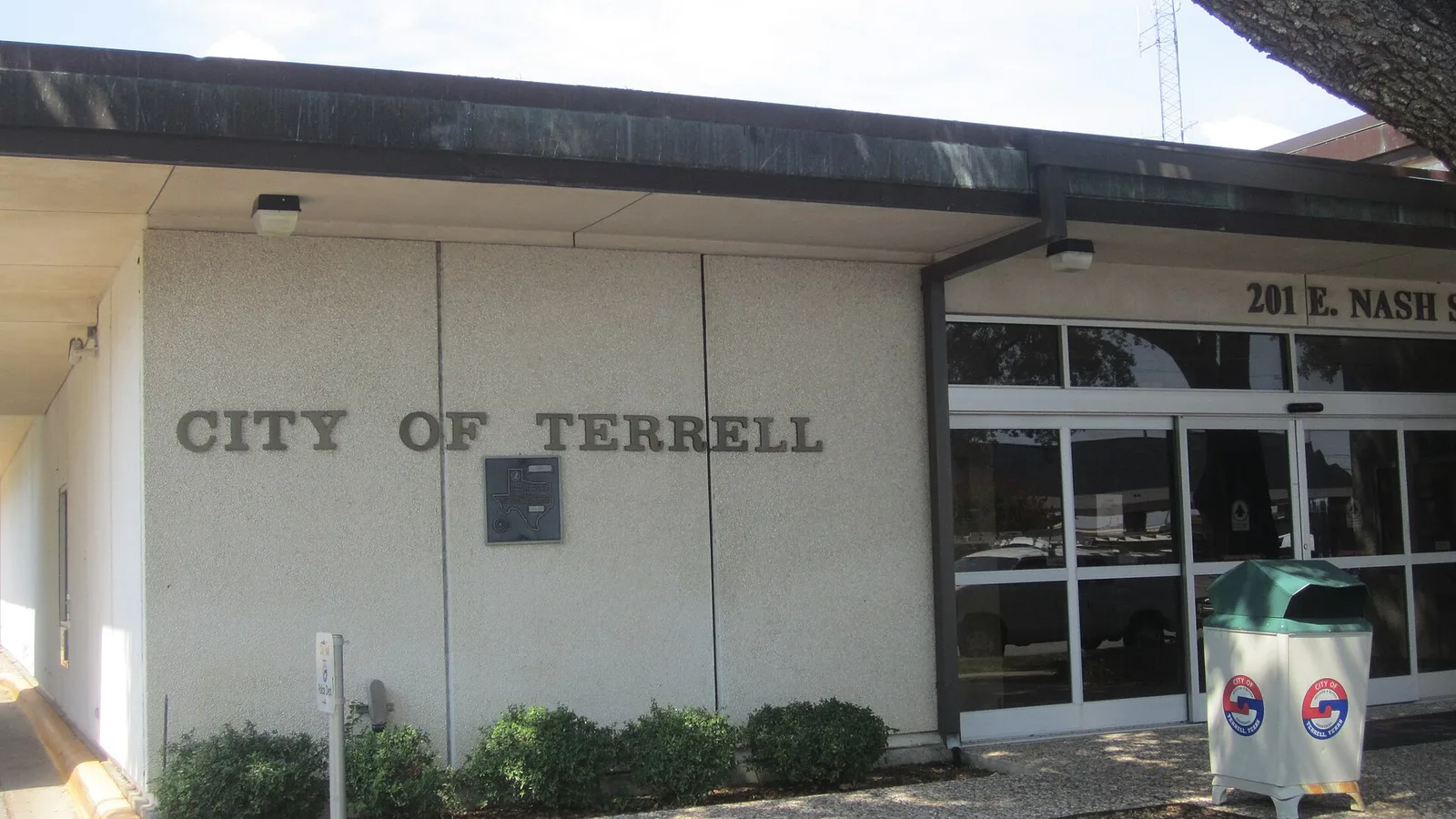
Kaufman County is the newest edge of the Dallas boom. The Census Bureau’s March 2026 analysis of migration found it had the nation’s highest domestic migration rates from 2021 to 2023, and its 5.7% gain from 2024 to 2025 was the third-fastest of any county with at least 20,000 residents, according to the bureau’s March 2026 release. Forney was the eighth-fastest-growing U.S. city of at least 20,000 people in that year, up 8.5%, the bureau reported in May. Jobs are following: employment rose 41.3% from 2019 to 2025, and transportation and warehousing jobs more than tripled, from 2,008 to 6,245. The Forney Economic Development Corporation lists Amazon, Goodyear and Vistra among the companies with operations in the city, with Target arriving in 2026 at the Village at Gateway development.
Both designated tracts are rural. Tract 502.14, in Forney, covers about 1.6 square miles and made the list on income rather than poverty: Treasury’s file shows a poverty rate of 1.5% and a median family income at about 70% of the area benchmark. Tract 505, in Terrell, covers about 8 square miles; Terrell grew from 17,652 to 23,921 residents. Kaufman had 7 eligible tracts. See the Kaufman County page.
2. Jackson County, Georgia: up 30.7%
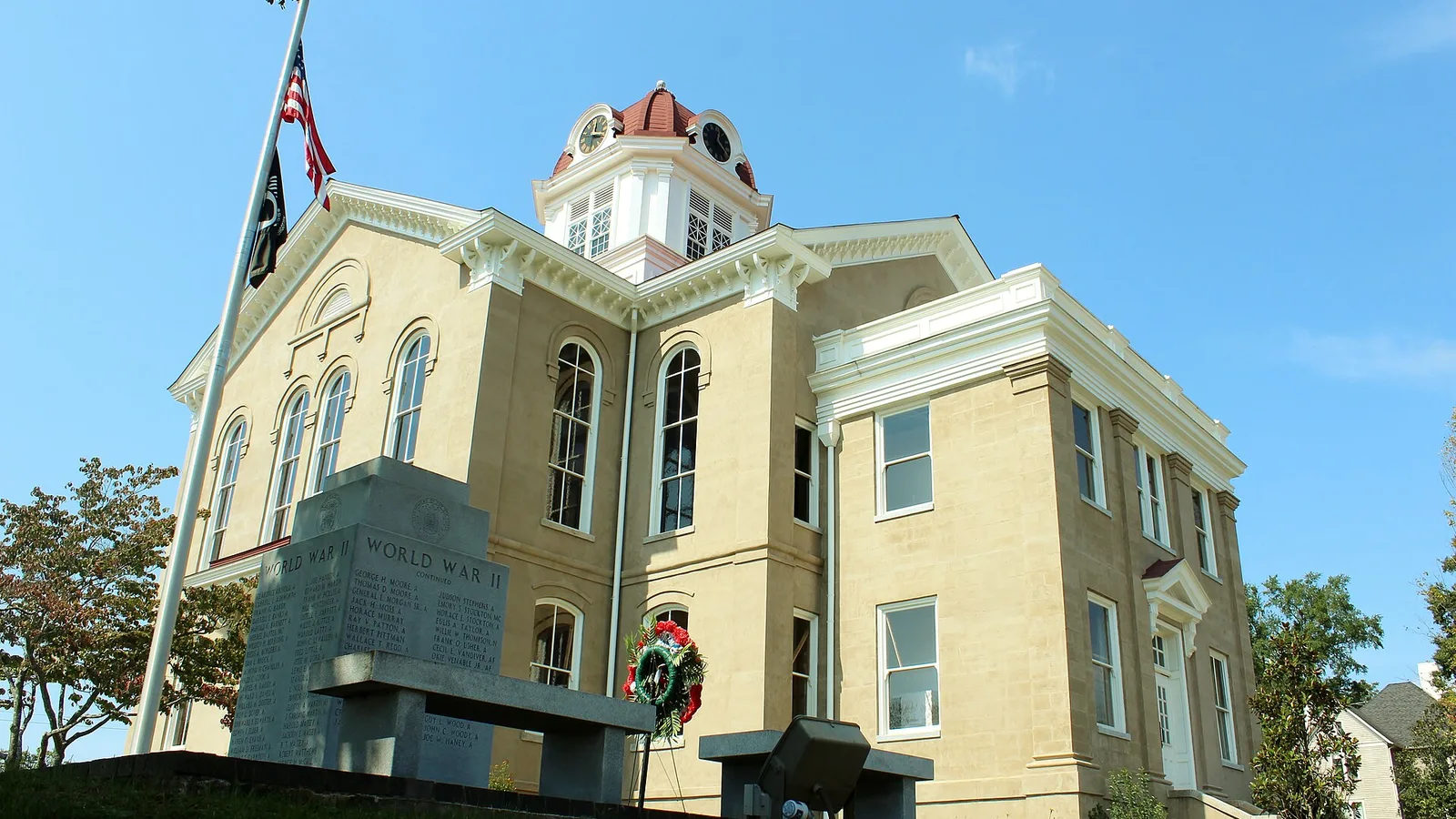
Jackson County sits along Interstate 85 northeast of Atlanta. The Census Bureau found that it and Dawson County had the leading domestic migration rates in the country in 2024, and Jackson’s 5.3% gain from 2024 to 2025 ranked fourth among counties with at least 20,000 residents. The little city of Hoschton went from 2,699 residents to 8,623. Jackson also had the fastest job growth of any county on this list, up 51.4% from 2019 to 2025. Transportation and warehousing employment tripled, from 3,384 to 10,277, and manufacturing rose from 5,778 to 9,292.
SK Battery America’s electric vehicle battery plant in Commerce had 2,566 workers before the company laid off 958 people on March 6, 2026, bringing the plant to about 1,600, Manufacturing Dive reported. The cuts came as demand for electric vehicle batteries slowed, the publication reported, and the company said it is pursuing customers in energy storage. The layoffs came after the period covered by the 2025 job figures above.
Jackson had just 1 eligible tract, and it was designated. Tract 104 is a rural tract of about 25 square miles in the Commerce area. Like the Forney tract, it qualified on income: its poverty rate is 6.0%, but its median family income is about 64% of the area benchmark. See the Jackson County page.
3. Brunswick County, North Carolina: up 27.8%
Brunswick County, on North Carolina’s southern coast between Wilmington and Myrtle Beach, grows almost entirely by people moving in. Deaths outnumbered births by 4,453 from 2020 to 2025, while 41,765 more people moved in from elsewhere in the country than left. The Census Bureau’s migration analysis notes that Brunswick took the nation’s No. 1 spot for domestic migration in 2018 and that people 55 and older drove much of the migration to the coast. It still ranked sixth among counties with at least 20,000 residents for growth from 2024 to 2025. Leland, across the Cape Fear River from Wilmington, grew from 23,365 to 35,731 residents. Jobs rose 30.6%, led by restaurants and hotels (+1,681) and construction, which went from 2,303 jobs to 3,650.
All three designated tracts are rural: one in Northwest Township, in the county’s northern end, one in Lockwoods Folly Township and tract 205.05, which covers about 71 square miles of Shallotte Township. Brunswick had 7 eligible tracts. See the Brunswick County page.
4. Hays County, Texas: up 26.3%
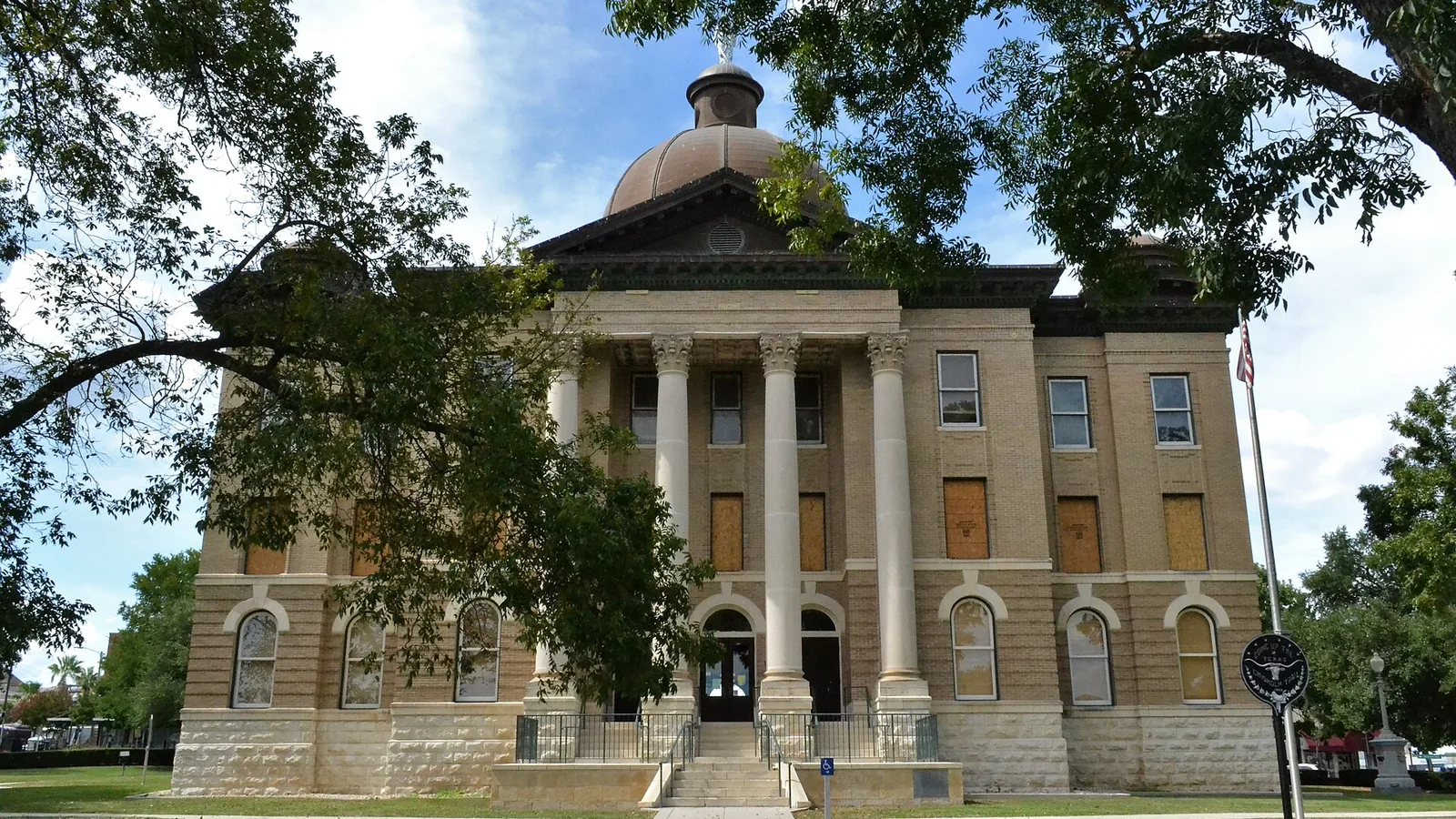
Hays County lies on Interstate 35 between Austin and San Antonio. The Census Bureau’s migration analysis lists it with Comal and Kendall counties as having some of the nation’s highest domestic migration rates from 2016 to 2019, and the growth has continued: Hays passed 300,000 residents and reached 304,390 in 2025. Kyle, north of San Marcos, grew from 45,686 to 69,917. Texas State University in San Marcos set an enrollment record of 44,596 students in fall 2025, up 9.6% from the year before. Jobs rose 34.2%; transportation and warehousing roughly doubled, from 3,646 to 7,492.
Hays had 18 eligible tracts; 6 were designated, 1 of them rural. Four are in the San Marcos area, one inside the city and three just outside its limits, including tract 103.05, where Treasury’s file shows a 40% poverty rate. Two are in the Kyle and Buda area outside city limits. See the Hays County page.
5. Ellis County, Texas: up 25.2%
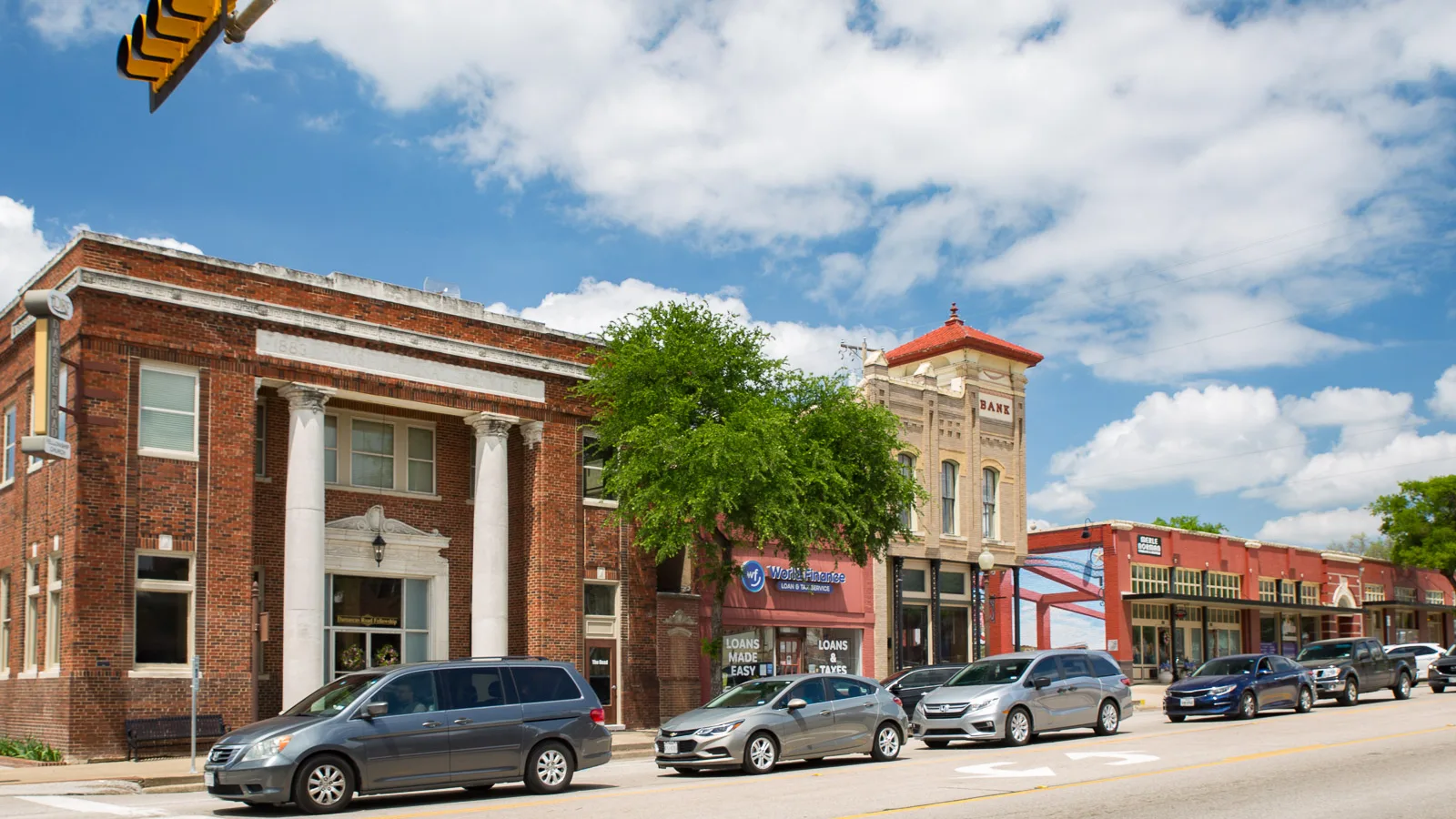
Ellis County, south of Dallas, grew from 192,460 to 240,867. Midlothian grew from 35,063 to 46,683 and Waxahachie, the county seat, from 41,107 to 50,090. Google says it invested in its first Texas data center in Midlothian in 2019 and later in a second in Red Oak, both in Ellis County. Employment rose 22.8%, with health care (+1,870), restaurants and hotels (+1,849) and construction (+1,830) adding the most jobs.
Ellis had 4 eligible tracts, and one, tract 616, was designated. It is a rural tract of about 8 square miles in Ennis, a city of 25,694 that grew 27.6% since 2020. See the Ellis County page.
6. Walton County, Florida: up 23.9%
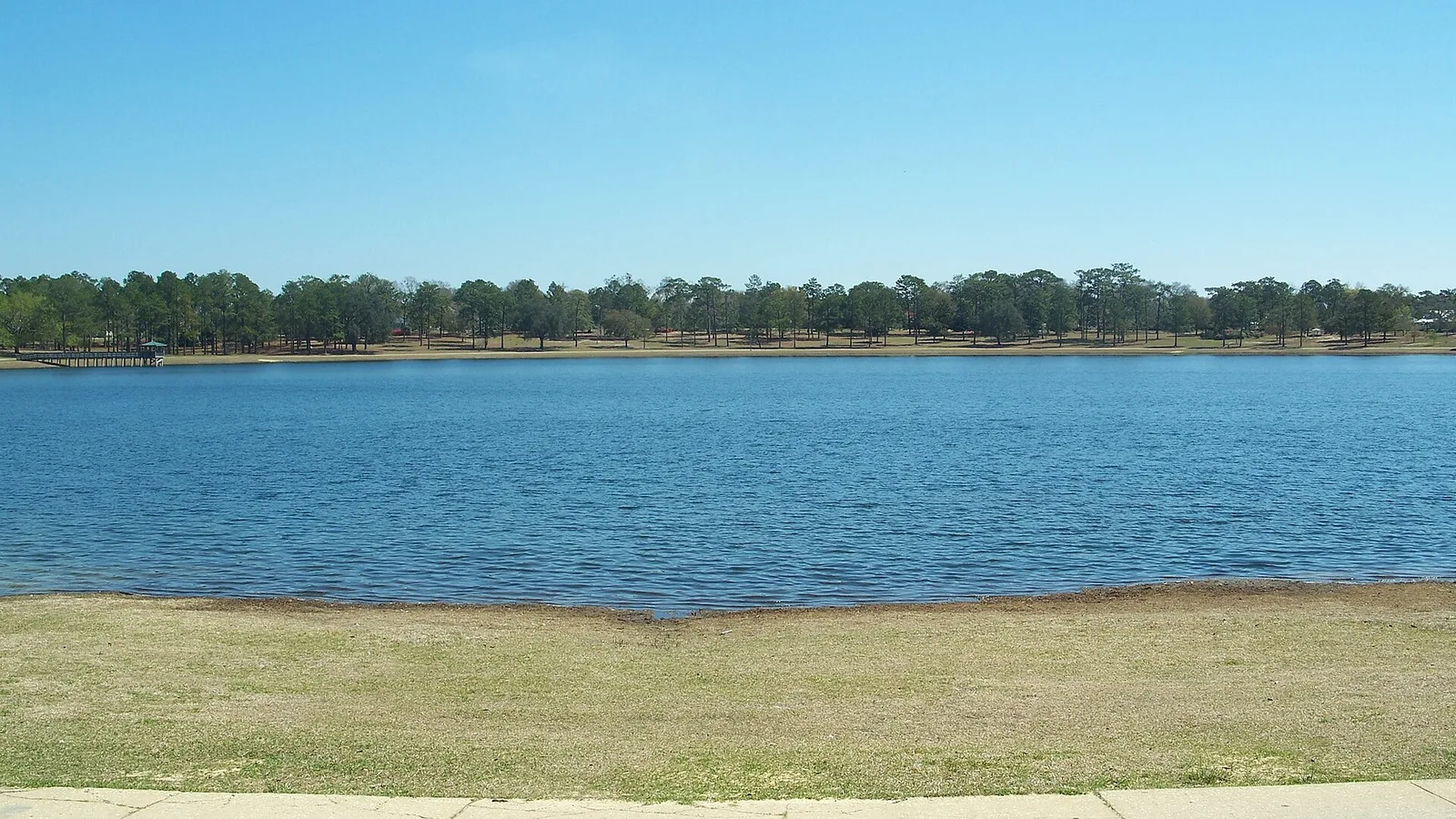
Walton County is two places. Its Gulf coast, from Miramar Beach east to the beach towns along Scenic Highway 30A, draws vacationers: the county’s 2025 visitor study counted 4.57 million visitors and $3.23 billion in direct spending. Inland, the county seat of DeFuniak Springs grew from 5,914 to 7,338 residents. The county as a whole grew from 75,305 to 93,288. Jobs rose 29.4%, led by restaurants and hotels (+1,513) and construction, which went from 2,392 to 3,800.
Walton had 6 eligible tracts; both designated tracts are rural and inland. Tract 9502.01 is in DeFuniak Springs, and tract 9503.03 is outside the city to the northwest. See the Walton County page.
7. Hunt County, Texas: up 23.4%
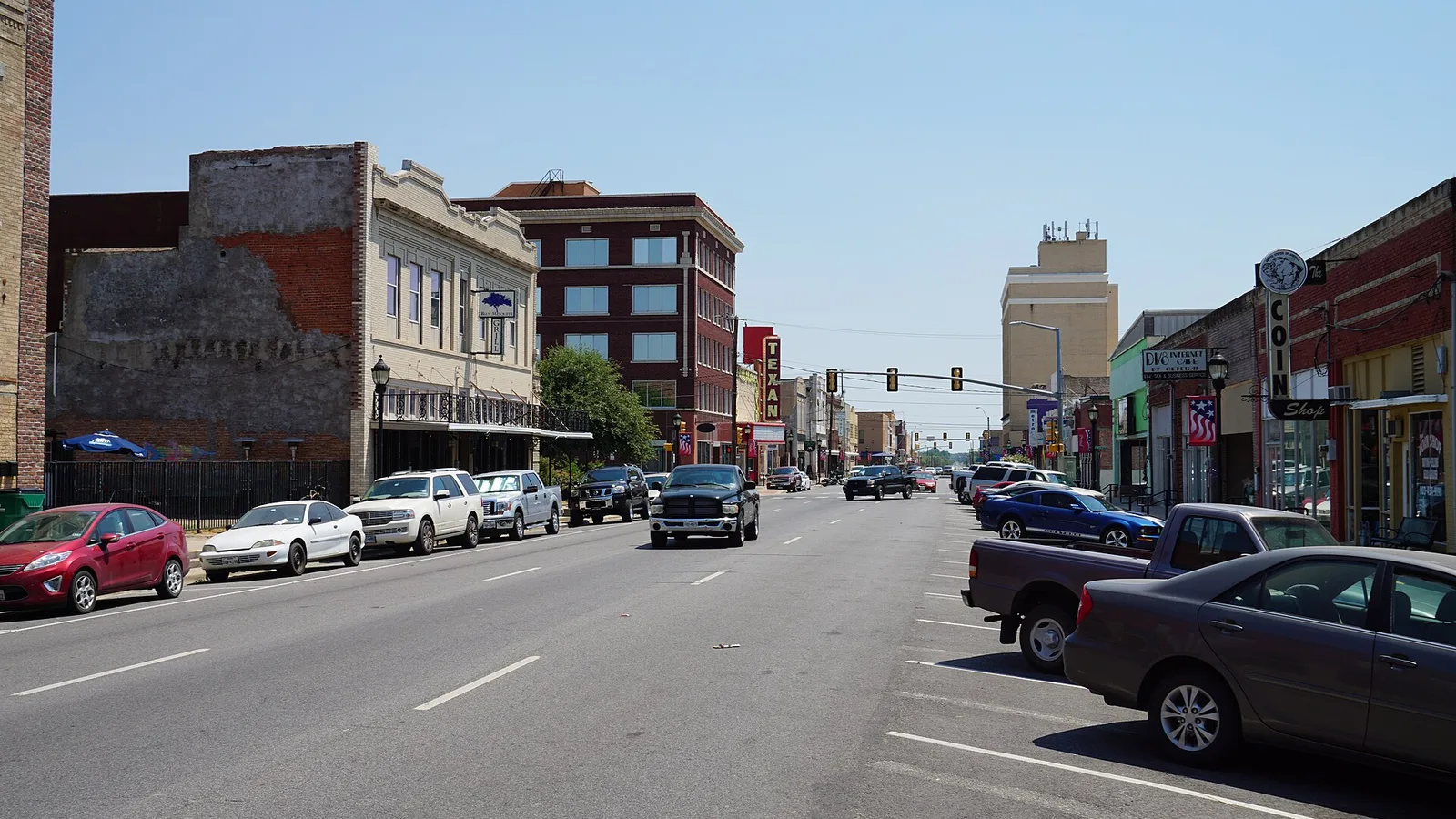
Hunt County, northeast of Dallas on Interstate 30, is where the metro’s growth meets an older manufacturing town. Greenville was the 15th-fastest-growing U.S. city of at least 20,000 people from 2024 to 2025, up 7.5%, the Census Bureau reported, and it has grown from 28,115 to 37,069 since 2020. The Greenville Board of Development says 18% of residents work in manufacturing, and its list of major employers includes L3 Technologies, CNH and McKesson. Manufacturing was the county’s biggest job gainer, rising from 5,413 jobs to 7,071; total employment rose 18.2%.
Hunt had 7 eligible tracts, and 5 were designated, all rural. Three are in Greenville, one is in Commerce and one, tract 9601, covers about 100 square miles around Commerce. See the Hunt County page.
8. Waller County, Texas: up 23.1%
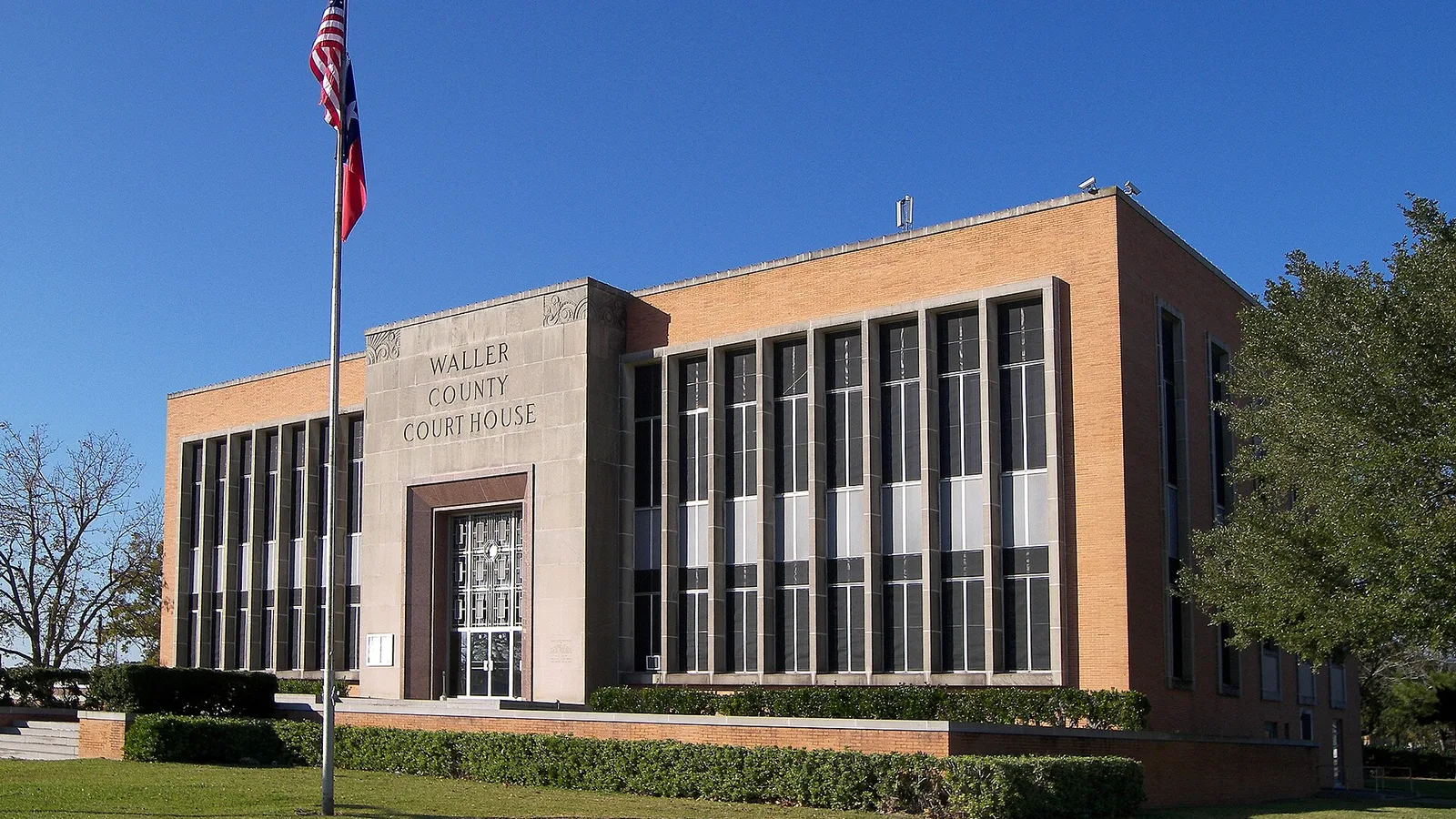
Waller County, on Houston’s western edge along U.S. 290 and Interstate 10, was the second-fastest-growing county with at least 20,000 residents from 2024 to 2025, up 5.7%, the Census Bureau reported. The city of Waller doubled, from 2,690 residents to 5,380. The county is also home to Prairie View A&M University. Its anchor employer is Daikin Texas Technology Park in Waller, which Daikin describes as a 4.3-million-square-foot campus and the company’s largest facility in the world; Daikin Comfort employs about 10,000 people across the campus and its Greater Houston operations. County employment rose 40.7%, with wholesale trade going from 1,209 jobs to 2,852 and manufacturing from 4,023 to 5,036.
Waller had 5 eligible tracts; 3 were designated, all rural. One is in the city of Waller, one covers about 58 square miles around Hempstead, and tract 6802.01 covers about 118 square miles in the Brookshire area in the south of the county. See the Waller County page.
9. Bastrop County, Texas: up 22.3%
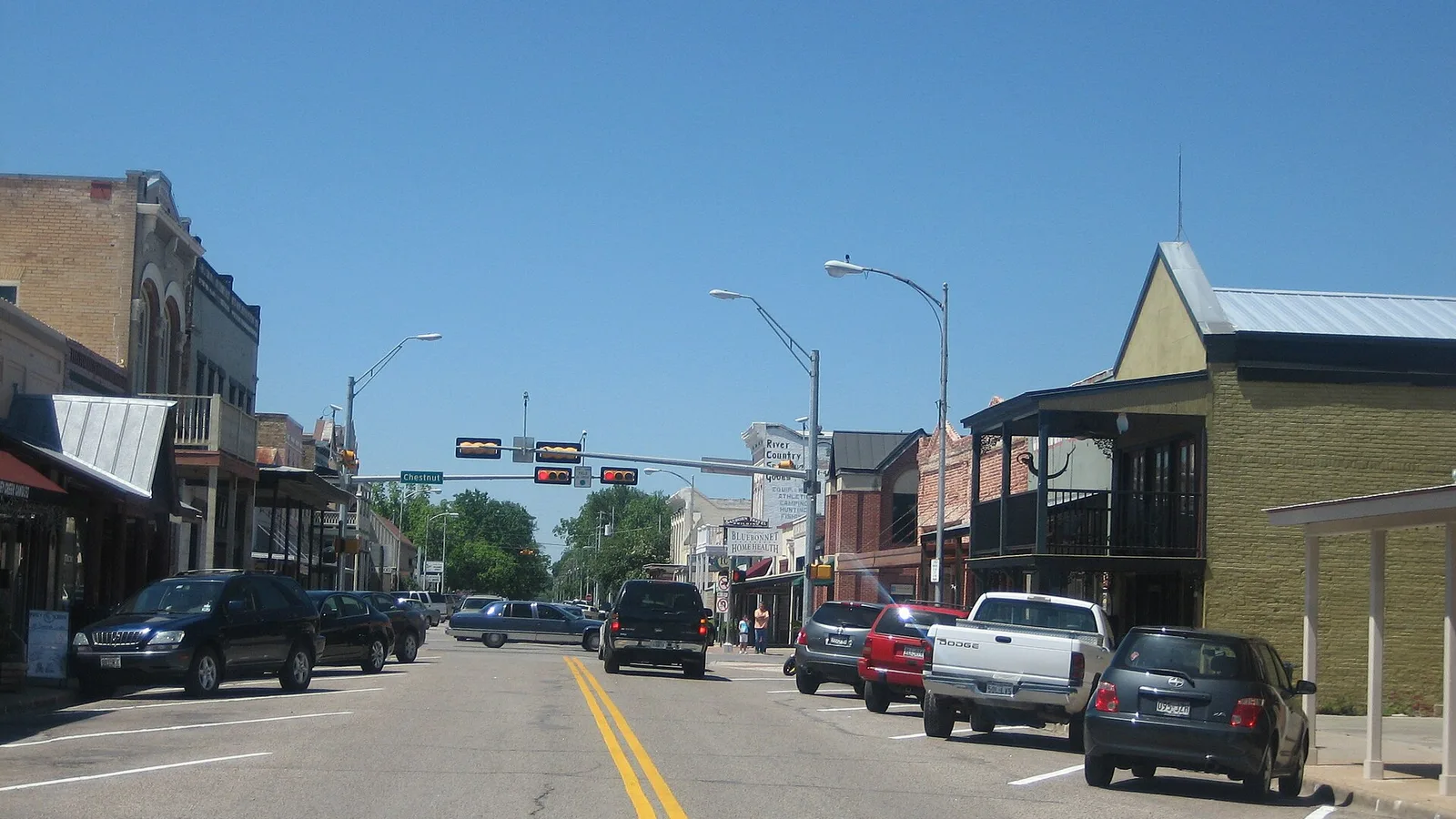
Bastrop County, east of Austin, grew from 97,229 to 118,908. The city of Bastrop grew from 9,685 to 13,383, and Elgin from 9,700 to 13,327. In March 2025, Gov. Greg Abbott announced a $17.3 million state grant for SpaceX to expand its Bastrop facility by 1 million square feet over three years to make Starlink kits and components, a project expected to create more than 400 jobs. “We love Texas,” SpaceX President Gwynne Shotwell said in the announcement. County employment rose 25.0%, led by retail (+929) and construction, which went from 1,216 to 2,025.
Bastrop had 7 eligible tracts; 4 were designated, all rural. One is in Elgin, two are in the Bastrop area outside the city and one is in the Cedar Creek area in the west of the county. See the Bastrop County page.
10. Sumter County, Florida: up 21.6%
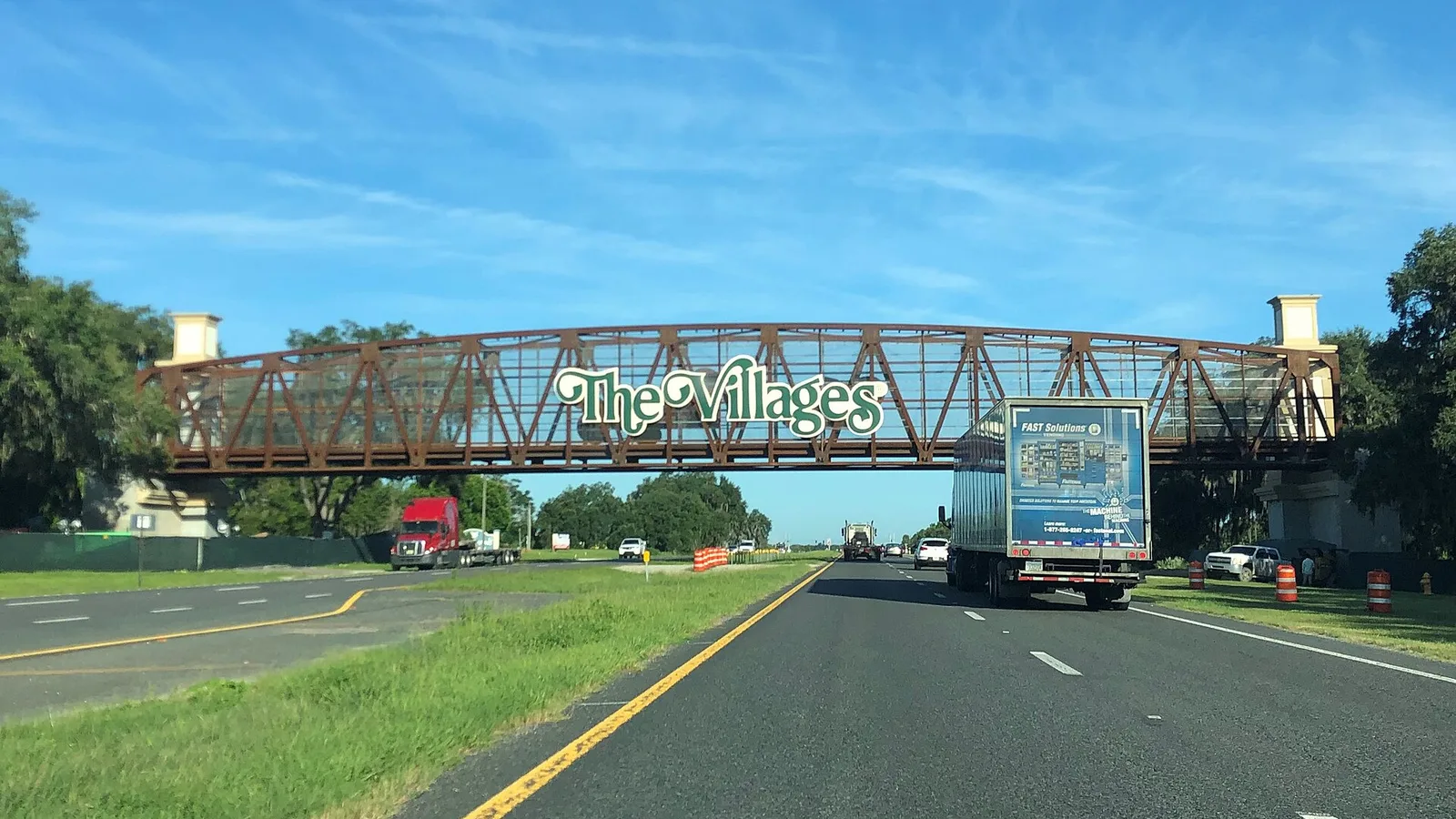
Sumter County is The Villages. The retirement community spans Sumter, Lake and Marion counties, and the Census Bureau’s migration analysis says it has drawn older Americans for more than a decade. Deaths in Sumter outnumbered births by 11,109 from 2020 to 2025, yet the county grew 21.6% because 38,108 more people moved in from elsewhere in the country than left. Jobs rose 33.8%, with health care adding the most (+1,888) and real estate employment going from 505 to 1,365. The city of Wildwood grew from 15,797 to 19,436 residents.
Sumter had 6 eligible tracts; 2 were designated, both rural and both in the Wildwood area outside the city limits. Tract 9115 covers about 100 square miles. Our large-county ranking included neighboring Lake County, home to part of The Villages. See the Sumter County page.
The fast-growing county with no zones
Liberty County, Texas, northeast of Houston, grew from 91,661 to 121,364, up 32.4%. That was the second-fastest growth among the 713 counties we reviewed, and its 4.4% gain from 2024 to 2025 ranked eighth among counties with at least 20,000 residents. Treasury’s eligibility file shows 9 Liberty tracts were eligible, and none made the final list. Its job count grew more slowly, up 9.7% from 2019 to 2025. See the Liberty County page.
Two other fast growers also missed out. Parker County, west of Fort Worth, grew 24.6%; none of its 4 eligible tracts were designated. Rockwall County, next to Kaufman, grew 30.5% but had no eligible tracts at all.
What happens next
The 2027 zones take effect on January 1, 2027, and run through December 31, 2036. The Census Bureau updates its county estimates every year, but the zone map stays fixed for the full ten years, so tracts in these counties will keep their status even as new homes and businesses fill in around them. Anyone can check whether an address is in a designated tract with the designation checker, browse the OZ 2.0 final list or explore the map. State pages for Texas, Florida, Georgia and North Carolina list every designated tract. For the counties with the most zones, see our ranking. The next story in this series ranks counties by another measure.
This article is for general information. It is not tax, legal or investment advice.
FAQ
Which fast-growing small county has the most Opportunity Zones for 2027?
Among the ten fastest-growing counties of 50,000 to 249,999 people with designated tracts, Hays County, Texas, has the most, with 6 tracts on Treasury’s final list.
How did OZI define a small or mid-size county?
A county with at least 50,000 and fewer than 250,000 residents in the Census Bureau’s April 1, 2020, estimates base. We ranked the 713 such counties by percentage growth to July 1, 2025, in the Vintage 2025 estimates and kept those with designated tracts.
Why are so many of these tracts rural?
24 of the 29 designated tracts in these counties are rural, meaning they are outside any city of more than 50,000 people and its adjacent urban area. Many are in fast-growing towns that are still under that size, such as Forney, Greenville and Elgin, Texas.
Why is Liberty County, Texas, not on the list?
It grew 32.4%, second-fastest among the counties we reviewed, but none of its 9 eligible tracts were designated, so it has no Opportunity Zones on the 2027 map.
When do the new zones take effect?
January 1, 2027. They run for ten years, through December 31, 2036, under IRS Notice 2026-67.
- home.treasury.gov (1), as of November 24, 2026
- home.treasury.gov (2), as of November 24, 2026
- home.treasury.gov (3), as of November 24, 2026
- irs.gov (1), as of November 24, 2026
- www2.census.gov (1), as of November 24, 2026
- census.gov (1), as of November 24, 2026
- census.gov (2), as of November 24, 2026
- census.gov (3), as of November 24, 2026
- irs.gov (2), as of November 24, 2026
- www2.census.gov (2), as of November 24, 2026
- census.gov (4), as of November 24, 2026
- bls.gov, as of November 24, 2026
- geocoding.geo.census.gov, as of November 24, 2026
- forneytexasedc.org, as of November 24, 2026
- manufacturingdive.com, as of November 24, 2026
- news.txst.edu, as of November 24, 2026
- datacenters.google, as of November 24, 2026
- waltoncountyfltourism.com, as of November 24, 2026
- greenvilletxedc.com, as of November 24, 2026
- northamerica-daikin.com, as of November 24, 2026
- gov.texas.gov, as of November 24, 2026
- data.bls.gov (1), as of November 24, 2026
- data.bls.gov (2), as of November 24, 2026
- data.bls.gov (3), as of November 24, 2026
- data.bls.gov (4), as of November 24, 2026
- data.bls.gov (5), as of November 24, 2026
- data.bls.gov (6), as of November 24, 2026
- data.bls.gov (7), as of November 24, 2026
- data.bls.gov (8), as of November 24, 2026
- data.bls.gov (9), as of November 24, 2026
- data.bls.gov (10), as of November 24, 2026
- data.bls.gov (11), as of November 24, 2026
- data.bls.gov (12), as of November 24, 2026
- data.bls.gov (13), as of November 24, 2026
- data.bls.gov (14), as of November 24, 2026
- data.bls.gov (15), as of November 24, 2026
- data.bls.gov (16), as of November 24, 2026
- data.bls.gov (17), as of November 24, 2026
- data.bls.gov (18), as of November 24, 2026
- data.bls.gov (19), as of November 24, 2026
- data.bls.gov (20), as of November 24, 2026
- data.bls.gov (21), as of November 24, 2026
- data.bls.gov (22), as of November 24, 2026
Original reporting by the Opportunity Zone Invest Editorial Team for Opportunity Zone Invest, an independent OZ 2.0 research site. Facts are drawn from the primary sources cited above per our editorial standards. Nothing here is tax, legal, or investment advice. Found an error? See our corrections policy or write to Opportunity Zone Invest.
OZ tools: Opportunity Zone calculator · OZ 2.0 designation checker · 180-day rule calculator · Form 8997 instructions · Form 8996 instructions · all tools
Fund managers: Advertise your fund
Get OZ 2.0 updates
OZ 2.0 news, guidance, and key deadlines. Unsubscribe anytime.