Griffin Capital said on October 13, 2026 that Griffin Capital Qualified Opportunity Zone Fund IV, L.P. has concluded its capital raise with approximately $400 million of investor equity. The fund holds six multifamily and student housing investments in five states, with 1,918 units and about $787 million of total project cost: one stabilized, four under construction and one expected to start construction in the first quarter of 2027. Its latest SEC Form D amendment, filed January 13, 2026, reported $342,008,125 sold of a $500 million offering to 614 investors; no later Form D has been filed. Across its four Qualified Opportunity Funds, Griffin Capital says it has raised more than $2.0 billion of investor equity.
Updated November 5, 2026: Treasury designated Massachusetts's 104 Opportunity Zone 2.0 tracts on its final list (press release sb0682), effective January 1, 2027. Mass.gov posts a searchable table and a CSV of the census tracts the Healey-Driscoll Administration nominated to the U.S. Treasury on October 2, 2026, across 46 municipalities. Boston has 18 of them, Worcester 7 and Springfield 6. Mass.gov says the Commonwealth could nominate up to 104 of 414 eligible tracts under the tighter federal criteria, down from 138 tracts selected in 2018. As of October 20, 2026, Massachusetts is one of 14 jurisdictions with a filing confirmed by an official source on our tracker, together 1,658 nominated tracts, and Treasury published the final OZ 2.0 list on Nov. 5, 2026 (sb0682), effective January 1, 2027. Nominated tracts would take effect January 1, 2027, as designated on Treasury’s final list (sb0682), effective January 1, 2027. Zones run through December 31, 2036.
Puerto Rico Senate President Thomas Rivera Schatz filed Senate Bill 1514 (P. del S. 1514) on October 13, 2026. It would amend Puerto Rico's Incentives Code (Act 60-2019) so that, for local tax incentives only, the Opportunity Zone map Treasury published on July 9, 2018 (IRS Notice 2018-48) stays in force regardless of later federal changes, and a fund could qualify for those incentives under Puerto Rico's own rules instead of the federal QOF test. The federal stakes: the One Big Beautiful Bill Act repeals, effective December 31, 2026, the rule that made every low-income tract in Puerto Rico an Opportunity Zone. Under IRS Rev. Proc. 2026-14, the governor can now nominate no more than 25% of Puerto Rico's eligible tracts. Treasury's September 2026 data lists 712 eligible Puerto Rico tracts, so the cap is 178, against 863 Puerto Rico tracts on the CDFI Fund's 2018 list. The bill is in committee, and it would not change which tracts get federal OZ treatment.
The Texas Office of the Governor's nominations list puts 60 of the state's 608 Opportunity Zone 2.0 nominations in Dallas County, 51 each in Harris and Hidalgo counties, 34 in Bexar County and 24 in Lubbock County: 220 of the 608 in five counties. Thirty of the 106 counties get a single tract. By Treasury's September 2026 eligibility data, 184 of the 608 are rural tracts. All 608 are on Treasury's eligible list, which counts 2,431 Texas tracts; 25% of that, rounded up, is 608, so Texas nominated the most it could. Two of the picks, both in Travis County, were added to the eligible list in Treasury's September update. The nominations are designated on Treasury's final list (press release sb0682), effective January 1, 2027. Nominated tracts would take effect January 1, 2027, as designated on Treasury’s final list (sb0682), effective January 1, 2027.
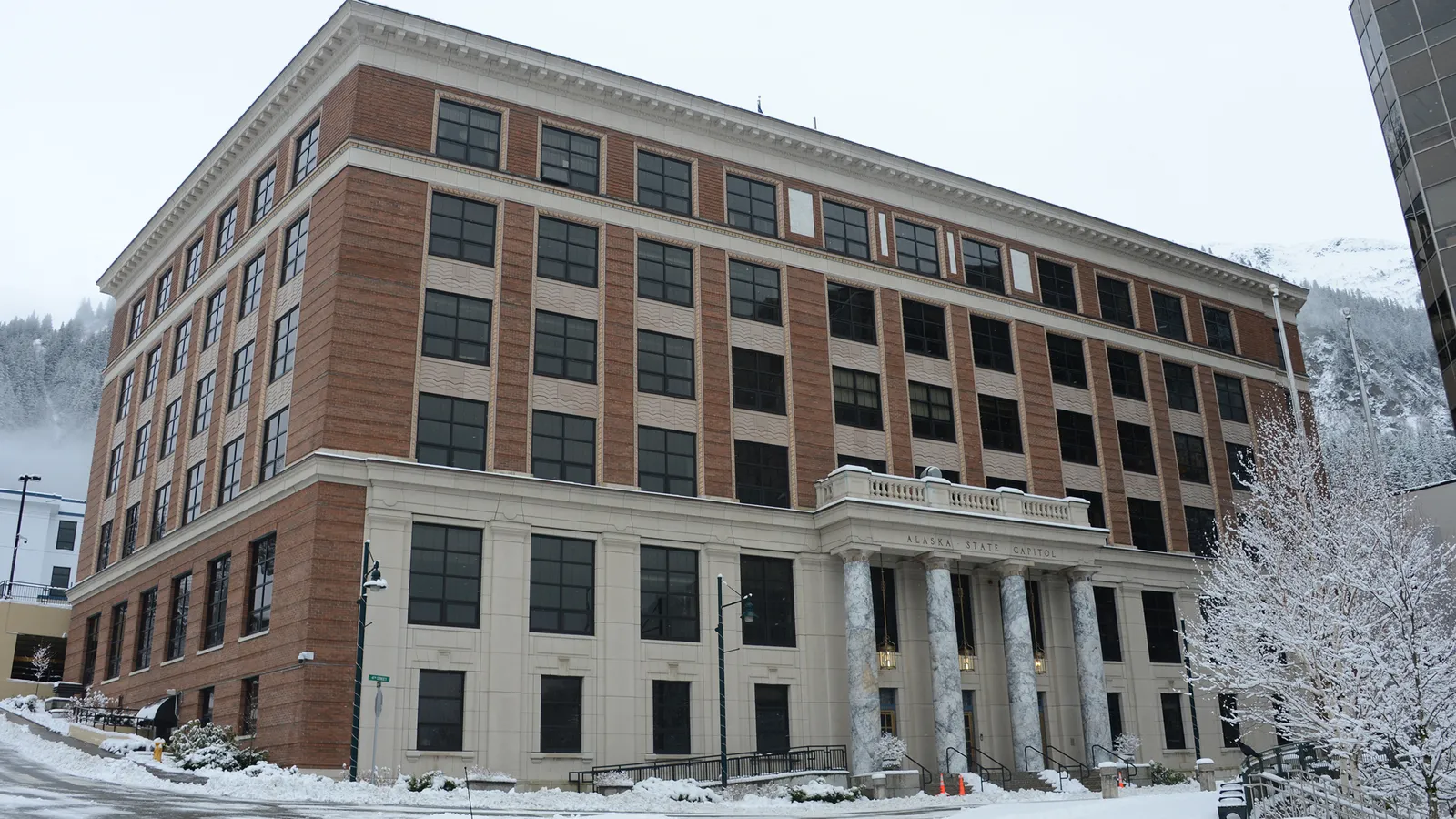
Gov. Mike Dunleavy has submitted Alaska's 25 census tract nominations for Opportunity Zone 2.0, according to an October 14, 2026 press release from the Alaska Department of Commerce, Community, and Economic Development (DCCED), bylined by public information officer Alexandra Vrabec and reproduced in full by Alaska Native News. Alaska has 33 eligible tracts on Treasury's September 23, 2026 list; the DCCED release and the state's public notices count 32, which the state scored on a 100-point framework, and a DCCED budget document on the state's public-notice site says 21 of the 32 are rural. Treasury designated those tracts on its final list (press release sb0682), effective January 1, 2027. As of October 16, the tract-level list and map have not been published on a state website.
Indiana's Economic Development Corporation has published the 126 census tracts Gov. Mike Braun nominated for Opportunity Zone 2.0 on September 25, 2026, the full 25% of the 501 tracts then eligible. Treasury has since added two Indiana tracts to the eligibility list (503 eligible); the 126 cap and Indiana's list are unchanged, per the IEDC. The IEDC list puts 29 of them in Marion County, 12 in Lake County and 9 in Allen County; the five largest counties hold 62 of the 126, and 29 counties get a single tract. Forty-two are marked rural. Every nominated GEOID is on the IRS Rev. Proc. 2026-14 eligible list, and the list's rural flags match the appendix. The nominations are designated on Treasury's final list (press release sb0682), effective January 1, 2027. Nominated tracts would take effect January 1, 2027, as designated on Treasury’s final list (sb0682), effective January 1, 2027.
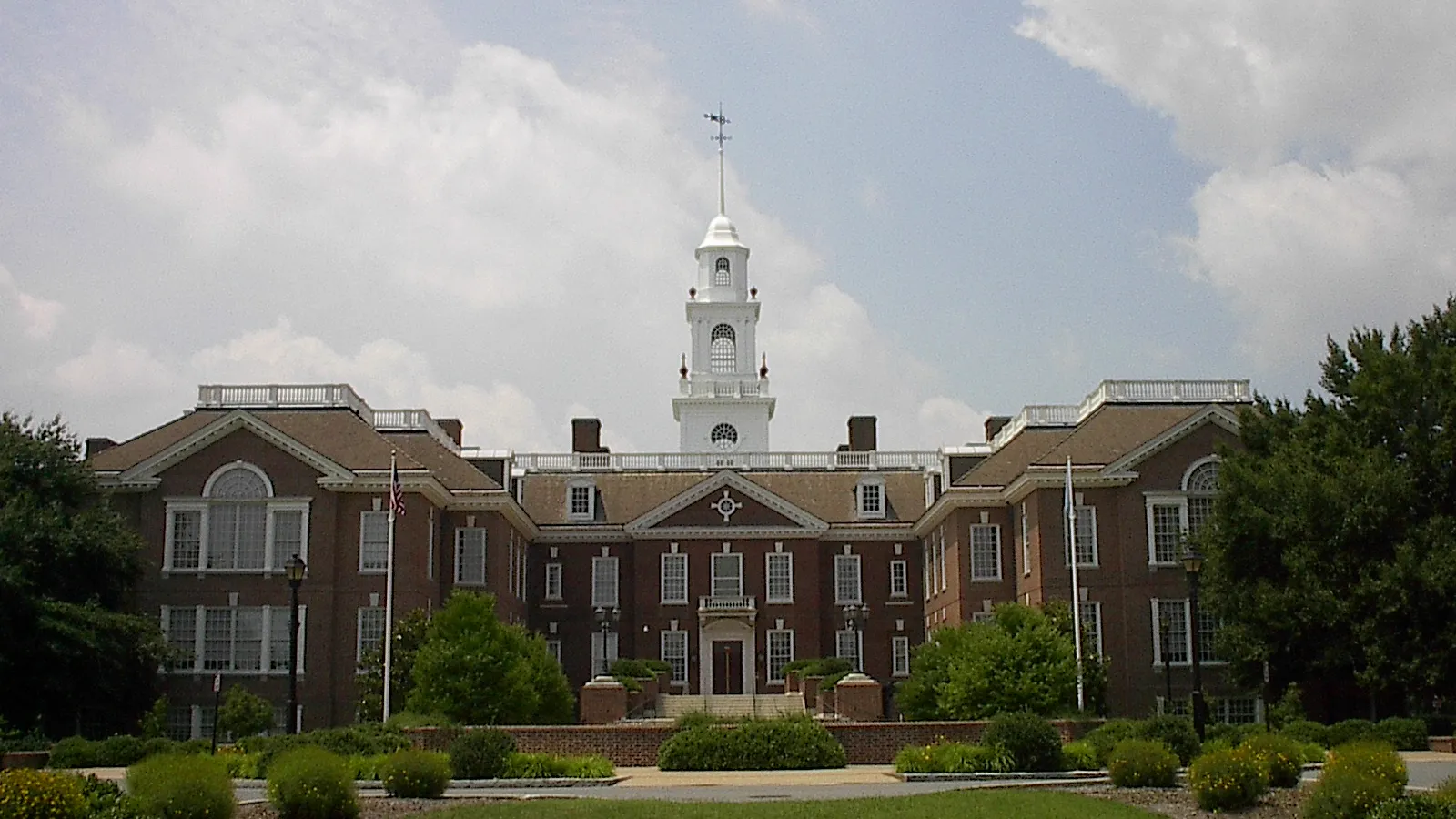
Gov. Matt Meyer's office has published the 25 census tracts Delaware nominated for Opportunity Zone 2.0, chosen from 61 eligible tracts after 237 community nominations. Thirteen are in New Castle County, five in Kent and seven in Sussex. Twelve of the 25 qualify as rural census tracts under federal law, including all of the Kent and Sussex picks, up from nine rural tracts under Delaware's original zones, according to the state. The release says the nominations have been submitted for Treasury's final list. Nominated tracts would take effect January 1, 2027, as designated on Treasury’s final list (sb0682), effective January 1, 2027.
King County holds 25 of the 99 census tracts Gov. Bob Ferguson nominated for Opportunity Zones 2.0, the most of any Washington county. That is our count of the Department of Commerce's published list, matched to counties in the IRS Rev. Proc. 2026-14 eligibility appendix. Pierce and Spokane counties follow with 9 each. On October 12 the City of Kent said five areas in the city are among the nominations. The list spans 27 counties, and 36 tracts are flagged rural, matching the counts in Commerce's October 8 release.
IRS Notice 2026-55 restates the OZ 2.0 rule for QOF investments made after December 31, 2026: hold five years and the deferred gain's basis rises 10%, or 30% in a qualified rural opportunity fund (QROF). On a $500,000 long-term gain for a Texas investor at a 23.8% federal rate, our calculator shows year-five tax of $107,100 in a standard QOF and $83,300 in a QROF, a $23,800 difference. Rev. Proc. 2026-14 identified 8,334 of 25,332 eligible tracts as entirely rural; Treasury's October 30, 2026 eligibility workbook lists 8,362 of 25,462.
Washington Gov. Bob Ferguson announced on October 8, 2026 that he has submitted the state's Opportunity Zone 2.0 nominations to the U.S. Treasury: 99 low-income and rural communities across 27 counties and 17 tribal lands, according to the Washington State Department of Commerce. That uses Washington's full cap. The IRS Rev. Proc. 2026-14 appendix lists 394 eligible Washington tracts, and 25% of that, rounded up, is 99. Commerce says the 99 were selected from 152 applications, which it took from April 28 to May 28, and that 36 of them “represent opportunities in rural communities.” The new map is smaller than the first one: in 2018, 139 areas across 36 counties were nominated. These are nominations, not final Opportunity Zones. Commerce's Summary OZ Dashboard has the full list.
Pennsylvania's Department of Community and Economic Development (DCED) has posted a draft map of the census tracts the Commonwealth is considering nominating for Opportunity Zone 2.0. The map's tract layer marks 208 tracts for nomination, and DCED says it has left 10 slots open while it considers more tracts before final submission. DCED also says Treasury has found five more eligible Pennsylvania tracts, for a total of 871, which raises the state's cap to 218 Opportunity Zones, one more than expected. Treasury has automatically extended Pennsylvania's nomination period by 30 days, so the Commonwealth has until October 28, 2026 to file. Of the 208 draft tracts, 75 are rural on both DCED's map and the IRS Rev. Proc. 2026-14 appendix. Philadelphia County has the most (44), followed by Allegheny (18) and Delaware County (11). This was a draft, not a filing, when it was published. Pennsylvania later filed, and Treasury designated the nominated tracts on its final list (press release sb0682), effective January 1, 2027.
The IRS released Notice 2026-55 on September 22, 2026, asking for comments by November 23 on how to implement Opportunity Zone section 1400Z-2 after the One Big Beautiful Bill Act. The notice asks whether tax rules can better support single-family home construction under Executive Order 14394, when QOZBs may modify working-capital safe-harbor plans, what guidance operating businesses need, and how the new 10-year election and 30-year fair-market-value rule should work for investments made after December 31, 2026. It also restates the OBBBA basis step-up: 10% after five years, or 30% for a qualified rural opportunity fund. Comments go to Regulations.gov docket IRS-2026-1156.
The IRS has corrected the comment deadline on its proposed Opportunity Zone information-reporting regulations (REG-116506-25) from October 16 to October 26, 2026. The proposal, published September 11, would put into effect the new reporting rules Congress added for Qualified Opportunity Funds and Qualified Opportunity Zone Businesses in 2025. Funds would file an annual information return on Form 8996 and send statements to investors who dispose of their interests. Businesses would send statements to the funds that hold them, and penalties for late or incomplete fund returns run $500 a day. The proposal also lets a fund revoke a self-certification filed by mistake and sets out a formal way to voluntarily decertify. The November 5 telephone hearing is unchanged, and requests to speak are still due October 13.
As of September 10, 2026, governors have 18 days left before the federal Opportunity Zone 2.0 nomination window closes on September 28, 2026. Under IRS Revenue Procedure 2026-14, the 90-day determination period that opened July 1, 2026 ends that day; a single 30-day extension can push a state's outside filing date to October 28, 2026. Treasury treats nominations as received at the close of the period, so states can still revise slates until their window ends — but the calendar is now late-stage, not mid-window. Zones are expected to take effect January 1, 2027 after Treasury's final list (with consideration-period extensions, the latest map clarity can stretch toward late December 2026). Known mid-window context already on our tape: Texas filed a statewide slate with Treasury on September 4 (the governor's published list now counts 608 tracts nominated across 106 counties, designated on Treasury's final list), and New Jersey is framing a 169→129 map compression with no final nominated slate published yet as the Sep 28 clock runs. This is a federal-clock urgency piece — not a new state filing count, and not a reprint of those Texas or New Jersey cards. OZ 2.0 investments on or after January 1, 2027 follow the rolling five-year deferral and 10% basis step-up (30% for qualified rural funds). (Updated October 1, 2026 to reflect Texas's current published list. Updated October 17, 2026: the 25% cap is 608 on Treasury's September 2026 count of 2,431 eligible Texas tracts, 605 on the original appendix count. Treasury's final list will settle the count.) (Update, Oct 18, 2026: Treasury's September 23 eligibility data lists 518 New Jersey tracts, so the cap under Rev. Proc. 2026-14 is 130.)
Texas Economic Development & Tourism, inside the Office of the Governor, submitted Opportunity Zone 2.0 nominations to the U.S. Treasury on September 4, 2026. EDT says local economic-development organizations and county judges fed the slate, scored on federal eligibility, local support, 24–48 month project viability, and geographic balance (including disaster-hit areas). New OZ 2.0 zones are set to take effect January 1, 2027 for a 10-year cycle, with Treasury's final list expected by November 28, 2026. OZ 1.0 tracts stay eligible through December 31, 2028. This is a statewide Treasury filing count — not Midland, Kemah, Presidio, or Camp Howze local cards, and not a final map. Texas's published list counts 608 unique tracts, the full 25% cap on Treasury's September 2026 count of 2,431 eligible Texas tracts (605 on the original appendix count). Treasury designated 608 Texas tracts on its November 5, 2026 final list (press release sb0682), effective January 1, 2027. (Updated October 1, 2026: this item originally reported the state's earlier figure of 605 tracts in 105 counties.)
Michael Cohn reports in Accounting Today that PwC's James Montague says OZ 1.0 investors heading into year-end are discovering incorrect, incomplete, or missing Opportunity Zone reporting forms — including investor Form 8997 and fund Form 8996 — with tax and financial-reporting consequences even when the investment otherwise met the statute. A July PwC comment letter to Treasury and the IRS warned that, under a straight-to-final regulation, a statutorily compliant investor can be forced to recognize the entire deferred gain solely because of a bad or missing reporting form, with only an amended return, an administrative adjustment request, or an undefined showing to the Commissioner as remedies. Montague also flags Notice 2026-40: to keep investing in OZ 1.0 tracts that are not finalized again under 2.0, funds must satisfy specified requirements by the end of 2026 or those zones are closed for new investment, earlier than the 2028 1.0 map sunset many sponsors expected. The rural 30% five-year step-up is all-or-nothing: a QOF must hold at least 90% of its investments in rural tracts to get 30%; otherwise the investor-level step-up is 10%. Governors' nomination window runs through September 28, 2026 (extension October 28, 2026 under IRS Rev. Proc. 2026-14); if every extension is used, Montague said the latest the new tract list could be known is December 28, 2026. OZ 2.0 investments on or after January 1, 2027 follow the rolling five-year deferral and 10% (30% rural) step-up. This is a 9/3 PwC/Accounting Today reporting-and-transition story, not the August 31 deferred-gain tax-bill item.
Jade Lozada reports for NOTUS that rural counties have seen far less Opportunity Zone capital than urban tracts, even as governors nominate the 2027 map. A June Treasury Office of Tax Analysis paper says the average rural zone attracted $7.3 million from 2018 to 2024 versus $23.3 million for the average nonrural zone; 16% of Opportunity Zone property was in rural areas even though rural tracts make up 38% of the 8,764 existing zones, with $112 billion invested using the incentive. Montgomery County, Illinois coordinator Mike Plunkett said he has had one inquiry; a rural Illinois treasurer told NOTUS they were unaware their county was in a zone. Forrest County, Mississippi planning director Corey Proctor said developers lack the information to use the incentive. OZ 2.0 investments on or after January 1, 2027 into a qualified rural Opportunity Fund can receive a 30% basis step-up after five years, versus 10% for a standard QOF. OBBBA also adds fund reporting on residential units and full-time workers plus $15 million for Treasury outcome reports. Governors still face the federal nomination window closing September 28, 2026 (one 30-day extension to October 28, 2026 under IRS Rev. Proc. 2026-14). This is rural 1.0 performance and the 2.0 rural bonus — not a state nomination slate.
Qualified Opportunity Funds tracked by Novogradac reported $264.0 million in new equity in the second quarter of 2026 — the second-lowest quarterly total since the firm began tracking the data. Novogradac said the slowdown was no surprise as investors wait on Opportunity Zone 2.0, which takes effect January 1, 2027, with a rolling five-year deferral and extra benefits for rural QOFs. Tracked QOFs have raised a cumulative $43.88 billion since 2017 (2,203 funds, of which 1,758 report a specific amount); first-half 2026 equity was $1.11 billion, the second-lowest first half since 2019. Novogradac expects activity to stay flat or fall further through the rest of 2026 before picking up in early 2027. Figures exclude proprietary funds owned by their principal investors; actual OZ investment is estimated at up to three times the tracked total. New QOF investments on or after January 1, 2027 follow OZ 2.0's rolling five-year deferral and 10% basis step-up (30% for qualified rural funds).
The Real Deal, citing the Wall Street Journal, reports that billions of dollars in capital gains deferred into Opportunity Zone 1.0 funds become taxable at the end of 2026. Treasury could see about $29 billion in additional tax revenue from the wave; more than $75 billion in gains had been deferred through 2024. The tax is tied to the original deferred gain, so an owner can owe even without selling the Opportunity Zone asset. Higher borrowing costs have made it harder to refinance projects to cover the bill, and funds are scrutinizing appraisals where property values have fallen below the original investment. Selling a loser can offset other gains but also walks away from the 10-year exclusion on the fund's own appreciation. This is the original program's December 31, 2026 recognition date — unchanged for OZ 1.0 investments — not the OZ 2.0 map. New QOF investments on or after January 1, 2027 follow OZ 2.0's rolling five-year deferral and 10% basis step-up (30% for qualified rural funds).
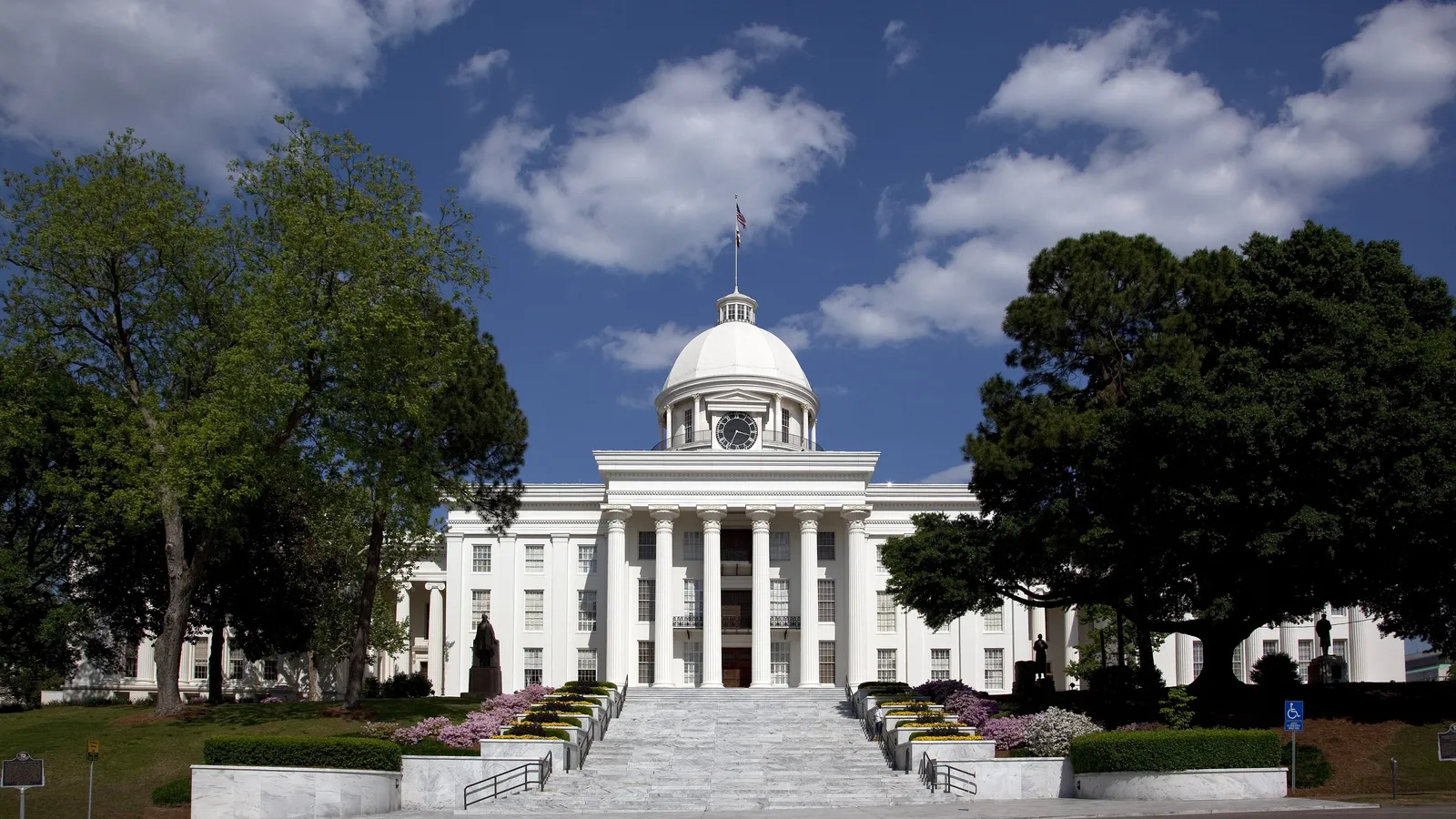
Alabama's Department of Economic and Community Affairs has been running an Opportunity Zone 2.0 nomination process that sat unpublished on our tracker. ADECA's official Opportunity Zones page — recrawled September 1, 2026 — says nomination forms and guidance are finalized and that qualifying tracts will go through a competitive selection process in the coming months. ADECA hosted a workshop on June 30, 2026 and told applicants to email completed packets to OpportunityZones@adeca.alabama.gov by July 31 at 12:00 p.m. There is no public web portal. As of this recrawl the ADECA page still uses future-tense "will have until July 31" language; the stated noon deadline has passed, no extension is announced, and no results slate has been published. ADECA says it will select 141 census tracts, compared with 158 Opportunity Zones on the 2018 map. Alabama has 563 eligible tracts under the 25% federal cap. Governor Kay Ivey still faces the Treasury window closing September 28, 2026 (one 30-day extension to October 28, 2026 under IRS Rev. Proc. 2026-14). Zones take effect January 1, 2027.