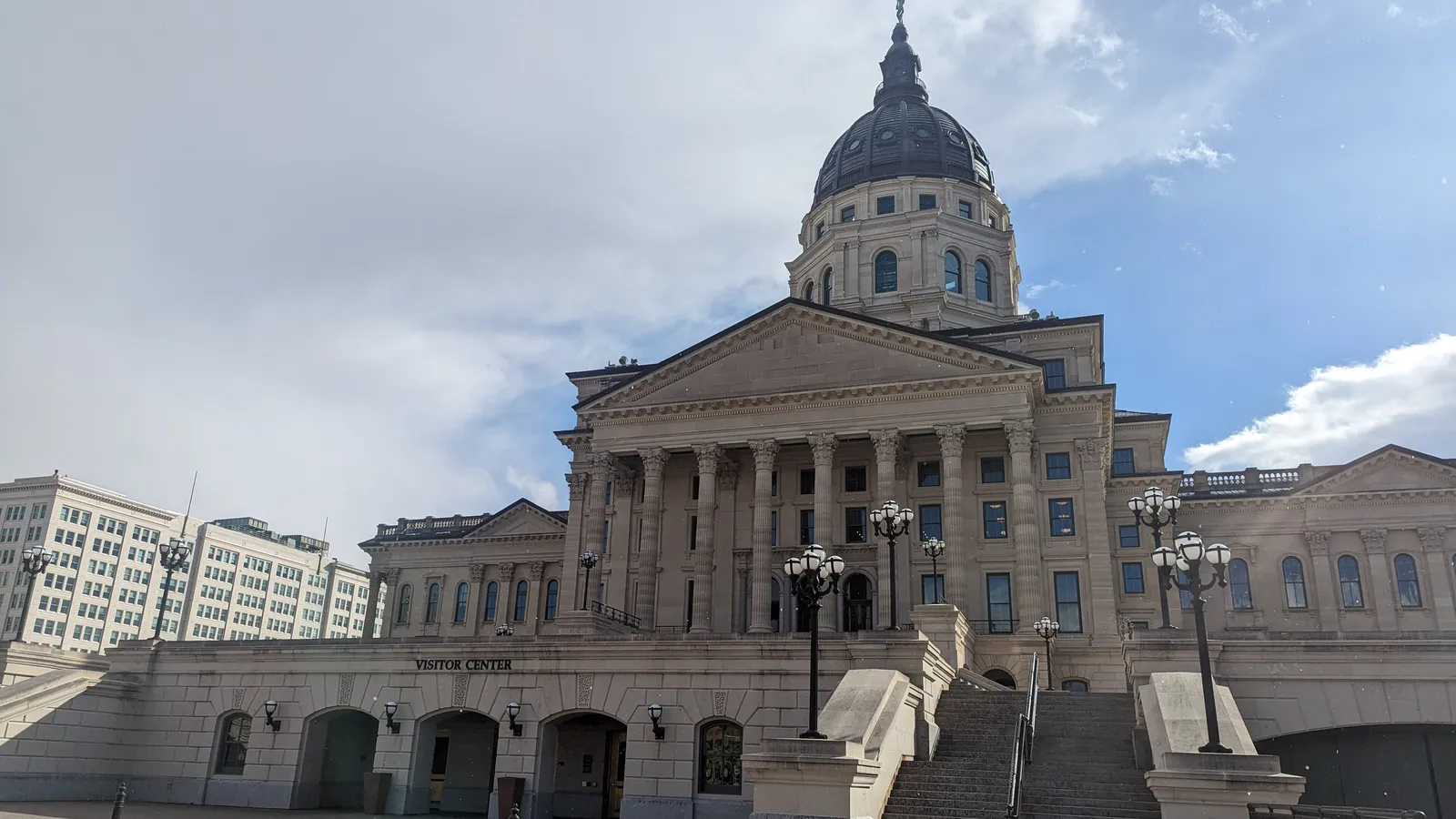
Kansas Commerce posted 53 OZ 2.0 tracts, the most it can pick. Update, Nov 5, 2026: Treasury’s final list (sb0682) designates all 6,576 nominated tracts nationwide as QOZs effective January 1, 2027; Kansas’s 53 are designated (CDFI).
Rhode Island Commerce says the state nominated 25 census tracts to Treasury on Oct 28, 2026, the most it can of its 55 eligible tracts. Providence County has 21. Treasury's Nov 5 final list designates them as QOZs effective Jan 1, 2027 (Treasury sb0682).
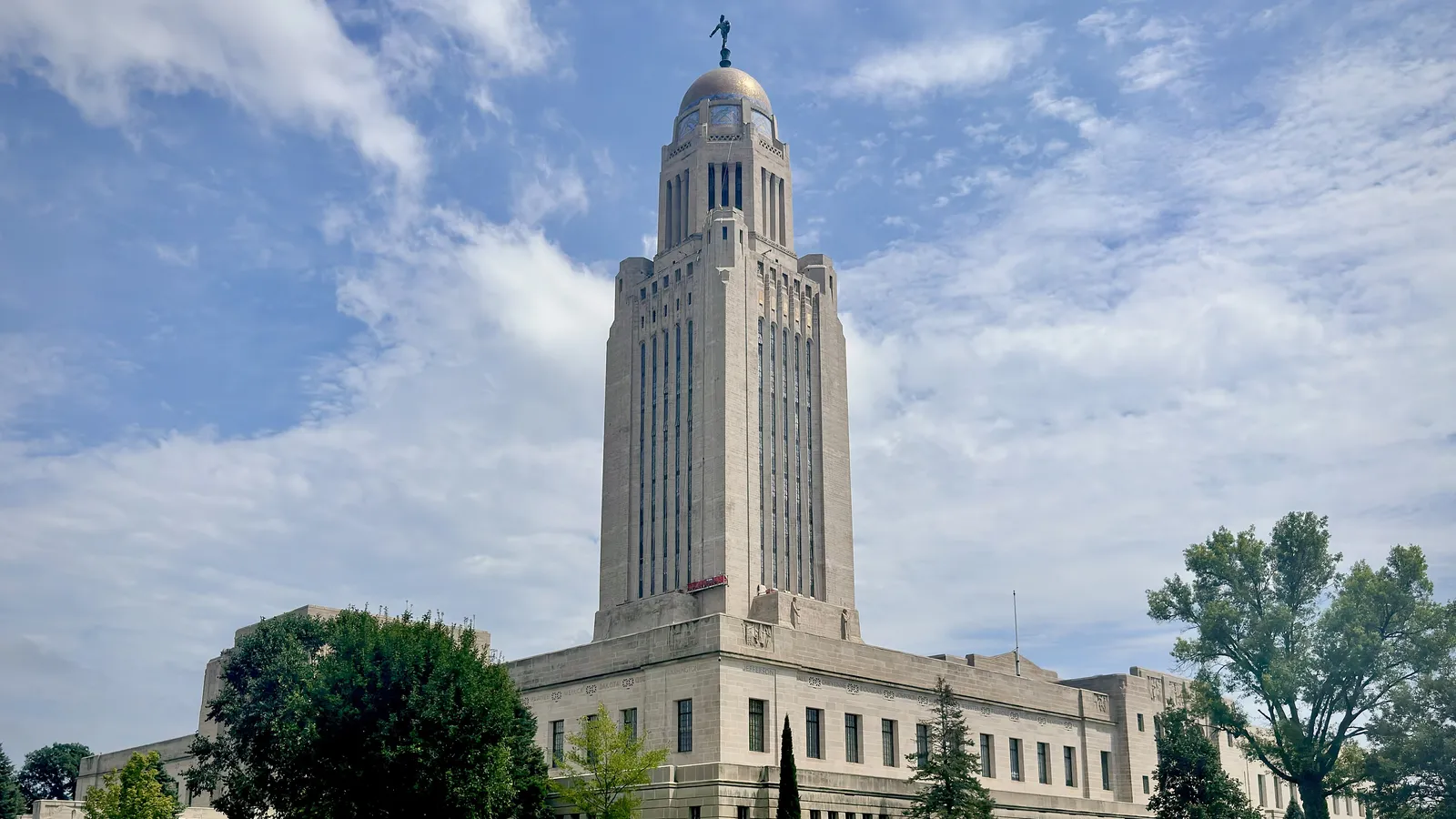
Gov. Jim Pillen's office listed Nebraska's 28 nominated Opportunity Zone 2.0 tracts by city in an October 30, 2026 release. Omaha has 10 and Lincoln has 5; Bellevue and 12 smaller cities have one each. Treasury's data flags 12 of the 28 as rural. Treasury's final OZ 2.0 list, published Nov 5, designates all nominated tracts nationwide, so Nebraska's 28 are now designated QOZs effective Jan 1, 2027 (Treasury sb0682).
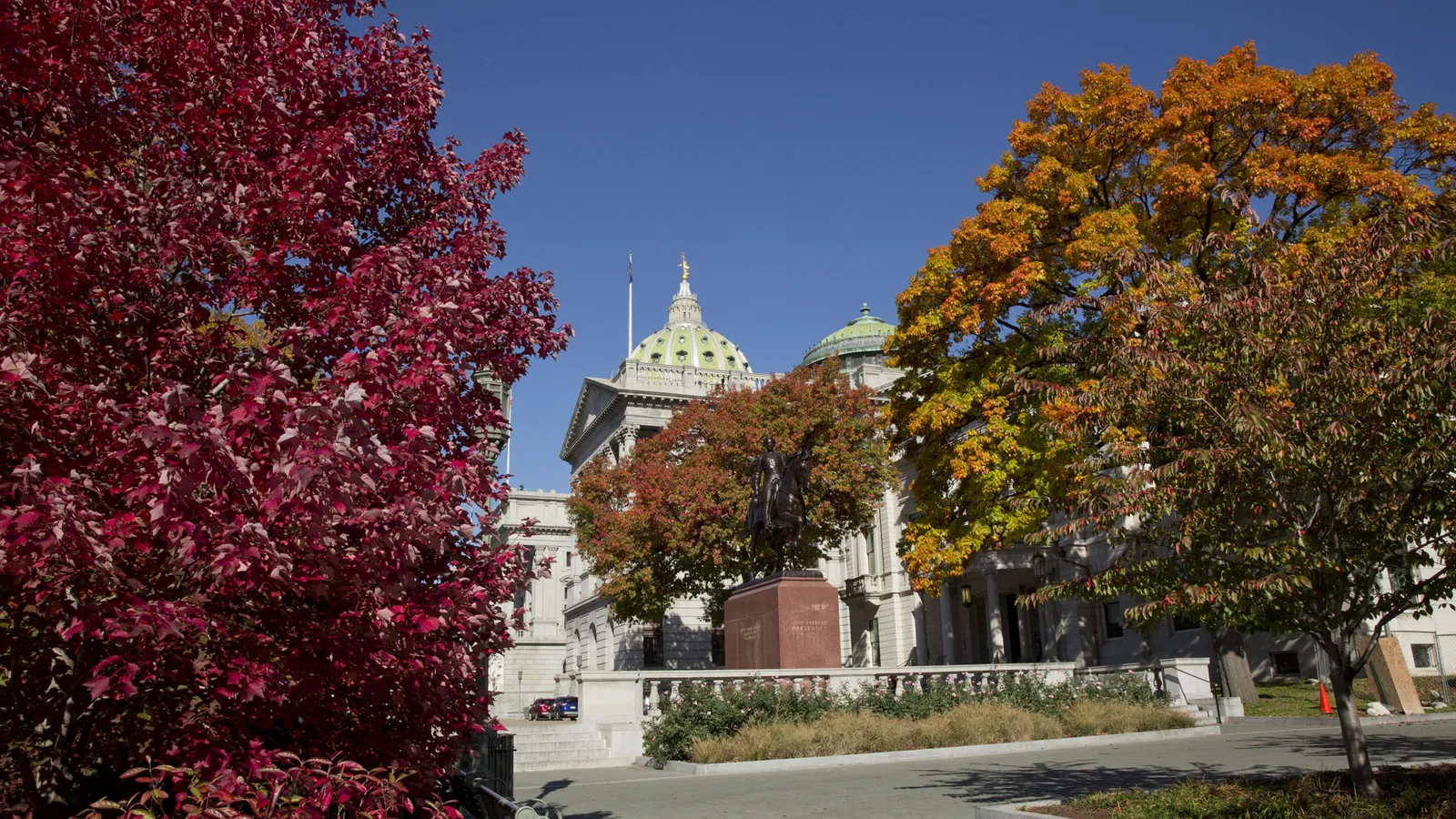
PA DCED announced on Oct 29, 2026 that Pennsylvania submitted its 218 Opportunity Zone 2.0 nominations to Treasury, the 25% maximum of its 871 eligible tracts. DCED’s nominations map shows all 218, in 63 counties, led by Philadelphia County (47). No Treasury, IRS or CDFI Fund list is published yet.
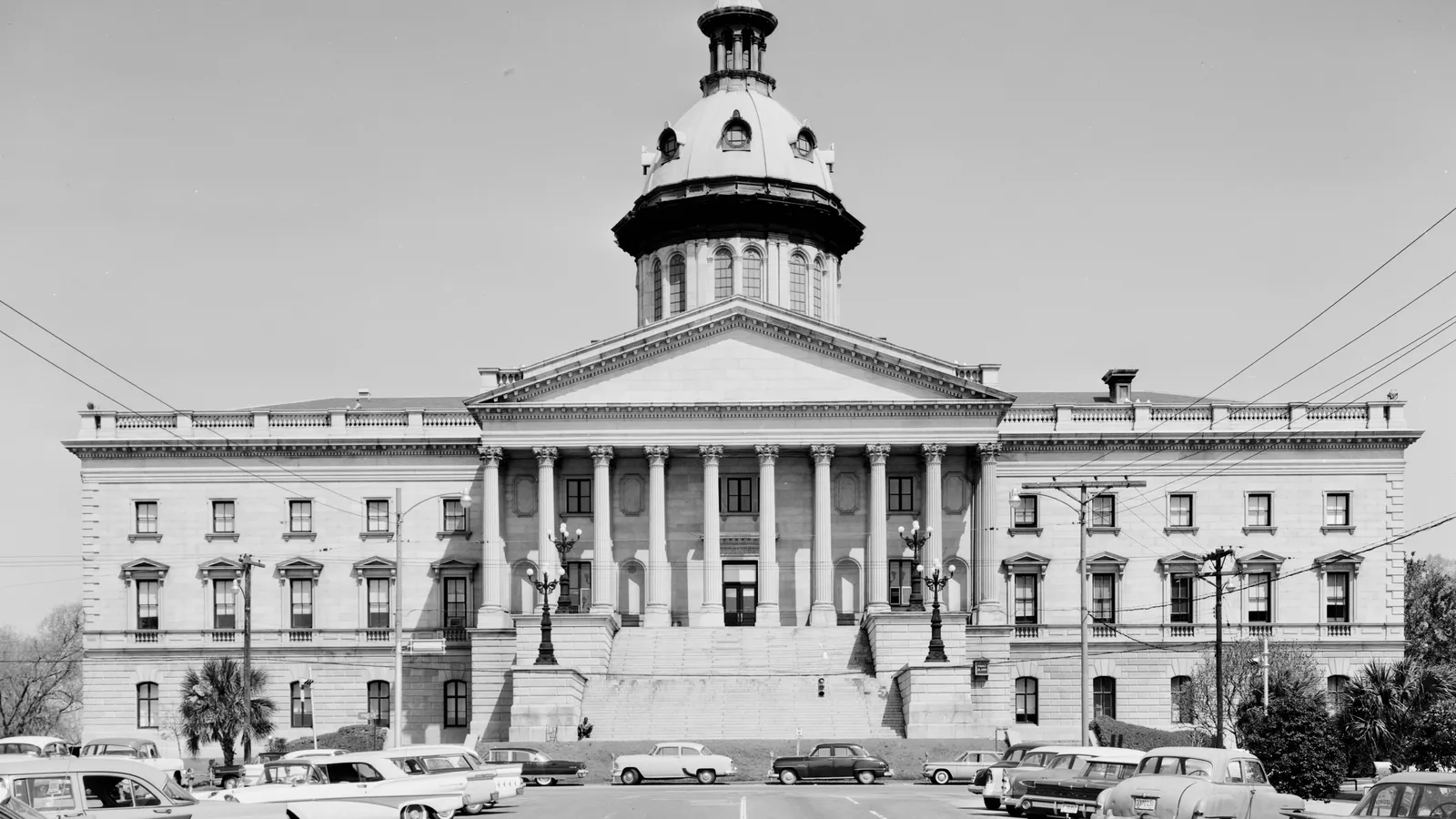
Gov. Henry McMaster submitted South Carolina's Opportunity Zone 2.0 nominations to the U.S. Treasury on September 10, 2026, according to SC Commerce. Its Oct 21, 2026 list has 113 census tracts, 85 of them rural and 28 non-rural, in 45 counties. That is every county with an eligible tract. As of Oct 21, 2026, South Carolina has 449 eligible tracts, for a 25% cap of 113; its Sep 22 list had 112 of 445. Richland County has the most nominations (9). Nominated tracts would take effect January 1, 2027, as designated on Treasury’s final list (sb0682), effective January 1, 2027.
The 90-day federal Opportunity Zone 2.0 nomination window closed September 28, 2026. Nine states and the U.S. Virgin Islands now have filings on our tracker that a state, territory or Treasury source confirms, totaling 1,195 nominated census tracts by their own counts: Texas (608 tracts nominated, per the state's list), Indiana (126), Arizona (125, including 3 off-list tracts), South Carolina (113), Colorado (91), Utah (37), Nebraska (28), Idaho (25), Delaware (25) and the U.S. Virgin Islands (18). 5, 2026 (sb0682), effective January 1, 2027. New Jersey says it has a 30-day Treasury extension and will file by October 28. Alaska, Kansas, Kentucky, Maine, Mississippi, North Carolina and Massachusetts have not published a filing we can confirm from an official source as of October 2. OZ 2.0 zones take effect January 1, 2027.
Twelve states and the U.S. Virgin Islands have filed Opportunity Zone 2.0 nominations covering 1,633 census tracts, according to our source-linked tracker. Filing is not the last step. Under IRS Rev. Proc. 2026-14, governors can still add or modify nominations until October 28, 2026, the latest end of the single 30-day extension; after that, change requests “will be denied.” Treasury then has a 30-day consideration period to finalize nominated tracts, which ends November 27, 2026 at the latest, or December 28 if a governor requests an extension. Finalized tracts become Opportunity Zones on January 1, 2027, and remain zones through December 31, 2036. Treasury published the final OZ 2.0 list on Nov. 5, 2026 (sb0682), effective January 1, 2027.
Economic Development New Mexico says the state submitted 65 census tracts to Treasury for Opportunity Zone 2.0, the 25% maximum of its 258 eligible tracts, in 22 counties. Bernalillo County has 21. Treasury published the final OZ 2.0 list on Nov. 5, 2026 (sb0682), effective January 1, 2027.0 list.
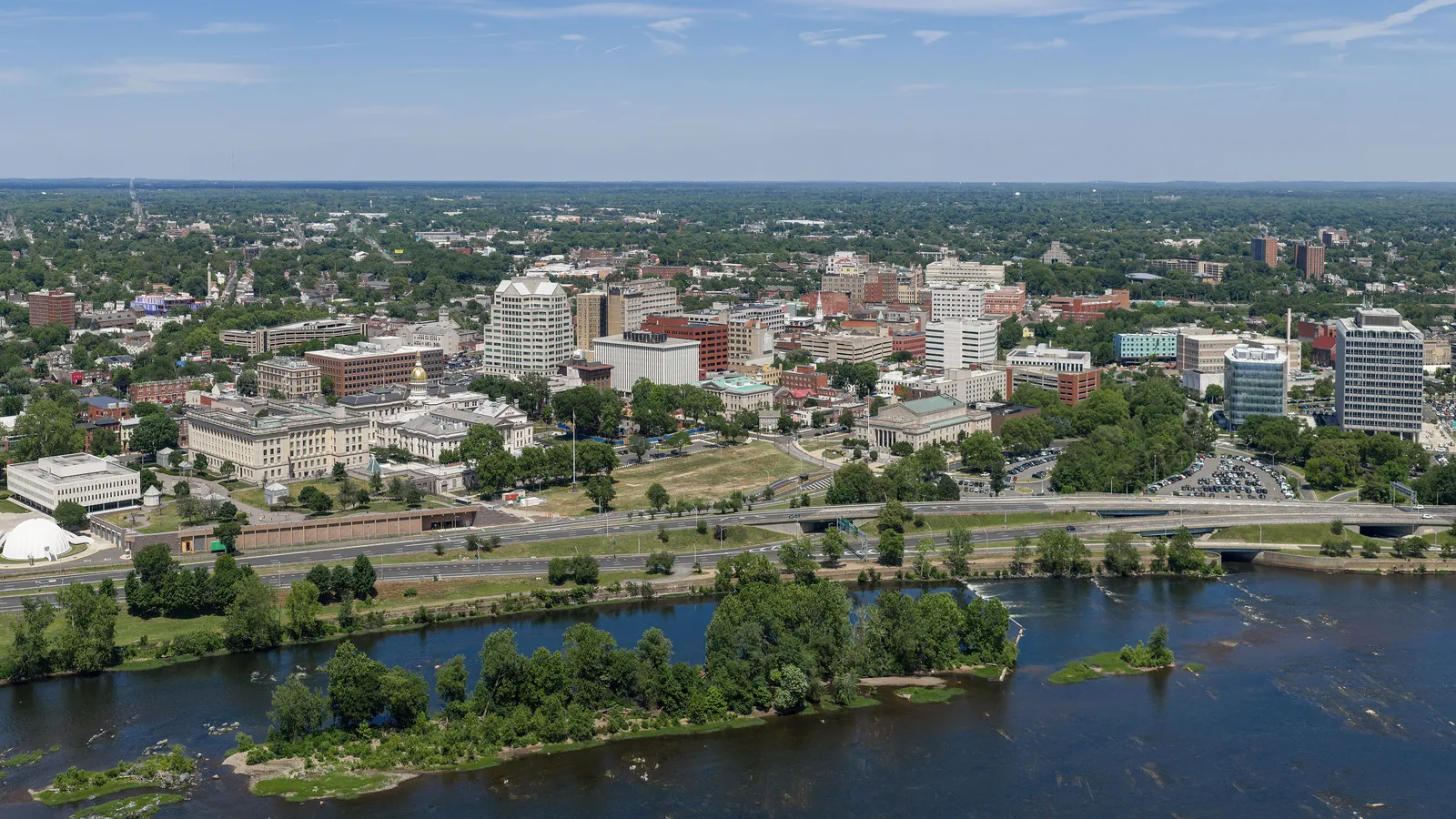
New Jersey's Department of Community Affairs said on Oct 29, 2026 that the state submitted 130 census tracts to Treasury for Opportunity Zone 2.0, the 25% maximum of its 518 eligible tracts, in 60 municipalities across all 20 counties with eligible tracts. Treasury published the final OZ 2.0 list on Nov. 5, 2026 (sb0682), effective January 1, 2027.0 list.
Erie County officials unveiled their Opportunity Zone 2.0 push on the county courthouse steps, positioning one of OZ 1.0's most-cited success stories to expand its footprint on the 2027 map. Officials framed the revamped program's transparency and long-term stability as tools to attract new investment and redevelopment across the county. The timing matters: Pennsylvania announced it would reopen its nomination window as the state works toward selecting 217 tracts from 866 eligible under the 25% federal cap, effective January 1, 2027.
Updated Oct 30, 2026, 9:04 AM ET: New Jersey submitted 130 census tracts to Treasury for Opportunity Zone 2.0, per DCA's Oct 29, 2026 release, the most allowed of its 518 eligible, in all 20 counties with eligible tracts and 60 municipalities. Before filing, the Department of Community Affairs (DCA) had said the state received a 30-day extension from Treasury and “will submit its nominations by the extended federal deadline of October 28, 2026.” Gov. Mikie Sherrill could nominate up to 130 of the 518 eligible census tracts in Treasury's September 23, 2026 eligibility data. That is 25% of the list, rounded up. DCA's own eligible list has 516, matching the original IRS Rev. Proc. 2026-14 appendix, and its page said up to 129 as of Oct 9; the cap on 518 is 130. The 516 tracts on DCA's list span 114 municipalities in 20 of New Jersey's 21 counties; Hunterdon has no eligible tract. Newark (80 tracts), Paterson (34), Jersey City (33), Elizabeth (26) and Trenton (23) hold nearly 40% of it. Under Rev. Proc. 2026-14, Treasury now has until November 27, 2026 to act on the nominations, or December 28 if the governor requests an extension. Nominated tracts would take effect January 1, 2027, as designated on Treasury’s final list (sb0682), effective January 1, 2027. Zones run through December 31, 2036.
Updated Oct 30, 2026, 9:04 AM ET: New Jersey submitted 130 nominated tracts, per DCA's Oct 29, 2026 release, the most allowed of its 518 eligible. Update (Oct 18, 2026): Treasury's September 23, 2026 eligibility data lists 518 eligible New Jersey tracts, so the governor may nominate up to 130; DCA's page, which used the 516-tract appendix, still says 129. Original report (Sep 8): New Jersey's Department of Community Affairs page now frames Opportunity Zone 2.0 as a hard cut from the first map: the 2017 program included 169 tracts statewide, and Governor Mikie Sherrill may nominate up to 130 of 518 under the reauthorized cycle. The stakeholder recommendation period closed at 11:59 p.m. on August 28, 2026; DCA is no longer accepting recommendations and says filings already received will be reviewed with technical analysis for the governor's nomination. By Treasury's September 28, 2026 deadline, the state says it will select zones from that mix of stakeholder input and analysis. No final nominated slate is published on the DCA page yet — eligibility/cap language only. This leads on the 169→130 map compression and the Sep 28 Treasury clock, not the Aug 31 stakeholder-form-closed card. (Update, Oct 18, 2026: Treasury's September 23 eligibility data lists 518 New Jersey tracts, so the cap under Rev. Proc. 2026-14 is 130.)
Updated Oct 30, 2026, 9:04 AM ET: New Jersey submitted 130 nominated tracts, per DCA's Oct 29, 2026 release, the most allowed of its 518 eligible. Two of the cycle's most consequential state windows land on the same day. New Jersey's Stakeholder Recommendation Form — open to residents, municipalities, counties, developers, community groups, labor, and employers — closes August 28 at 11:59 p.m. ET, after which DCA and NJEDA will combine public nominations with technical analysis before Governor Mikie Sherrill forwards up to 130 of 518 eligible tracts to Treasury. The same calendar day, California's draft-list public comment period closes at 11:59 p.m.: anyone can file tract-specific support, opposition, or substitution comments through the Department of Finance portal on the GO-Biz draft map, the last statewide lever before Sacramento finalizes as many as 618 nominations from 2,469 eligible tracts. Both states target September 28 Treasury submissions, with OZ 2.0 zones effective January 1, 2027. Incomplete or late filings will not be considered in either process. (Update, Oct 18, 2026: Treasury's September 23 eligibility data lists 518 New Jersey tracts, so the cap under Rev. Proc. 2026-14 is 130.)
Updated Oct 30, 2026, 9:04 AM ET: New Jersey submitted 130 nominated tracts, per DCA's Oct 29, 2026 release, the most allowed of its 518 eligible. New Jersey is running one of the most open nomination processes of the cycle, and it closes August 28. Governor Mikie Sherrill tasked the Department of Community Affairs and the Economic Development Authority with a joint public engagement period in which residents, municipalities, counties, developers, community organizations, labor, and employers can all nominate specific census tracts through an online form — attaching development-pipeline detail and letters of support. “As we evaluate eligible Opportunity Zones, we’re taking the time to hear directly from people who know these neighborhoods best,” Sherrill said. The stakes: 516 New Jersey tracts qualify, spread across 20 of the state’s 21 counties, and the governor may nominate up to 130 (of 518) of them under the 25% federal cap. DCA Commissioner Jacquelyn A. Suárez framed the goal as directing investment “where it can have the greatest impact,” while NJEDA Chief Executive Officer Evan Weiss said the input period should help “underrepresented communities that have a strong plan” win Opportunity Zone status. The state has published its scoring priorities in advance — investment potential and developable land near transit and employment; housing capacity across the affordability spectrum; and economic distress paired with evidence of real community engagement — and has committed to spreading zones across the state rather than concentrating them. New Jersey currently holds 169 OZ 1.0 zones; the new map takes effect January 1, 2027. (Update, Oct 18, 2026: Treasury's September 23 eligibility data lists 518 New Jersey tracts, so the cap under Rev. Proc. 2026-14 is 130.)
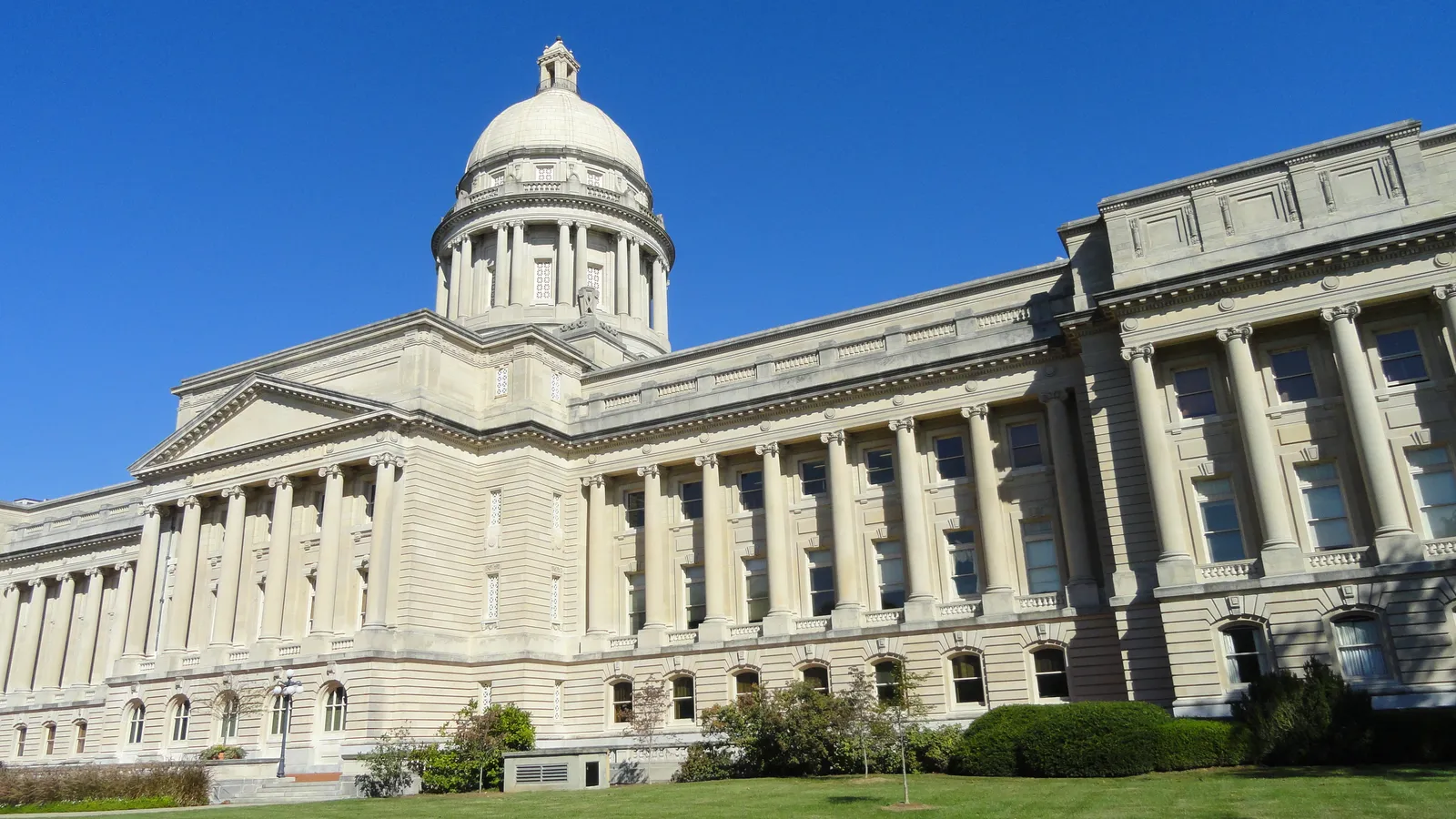
Kentucky's recommended list names 137 tracts (as of Oct 29, 2026), per the Kentucky Cabinet for Economic Development: the 25% maximum of its 546 eligible tracts, in 76 counties, led by Jefferson (18). Treasury published the final OZ 2.0 list on Nov. 5, 2026 (sb0682), effective January 1, 2027.0 list.
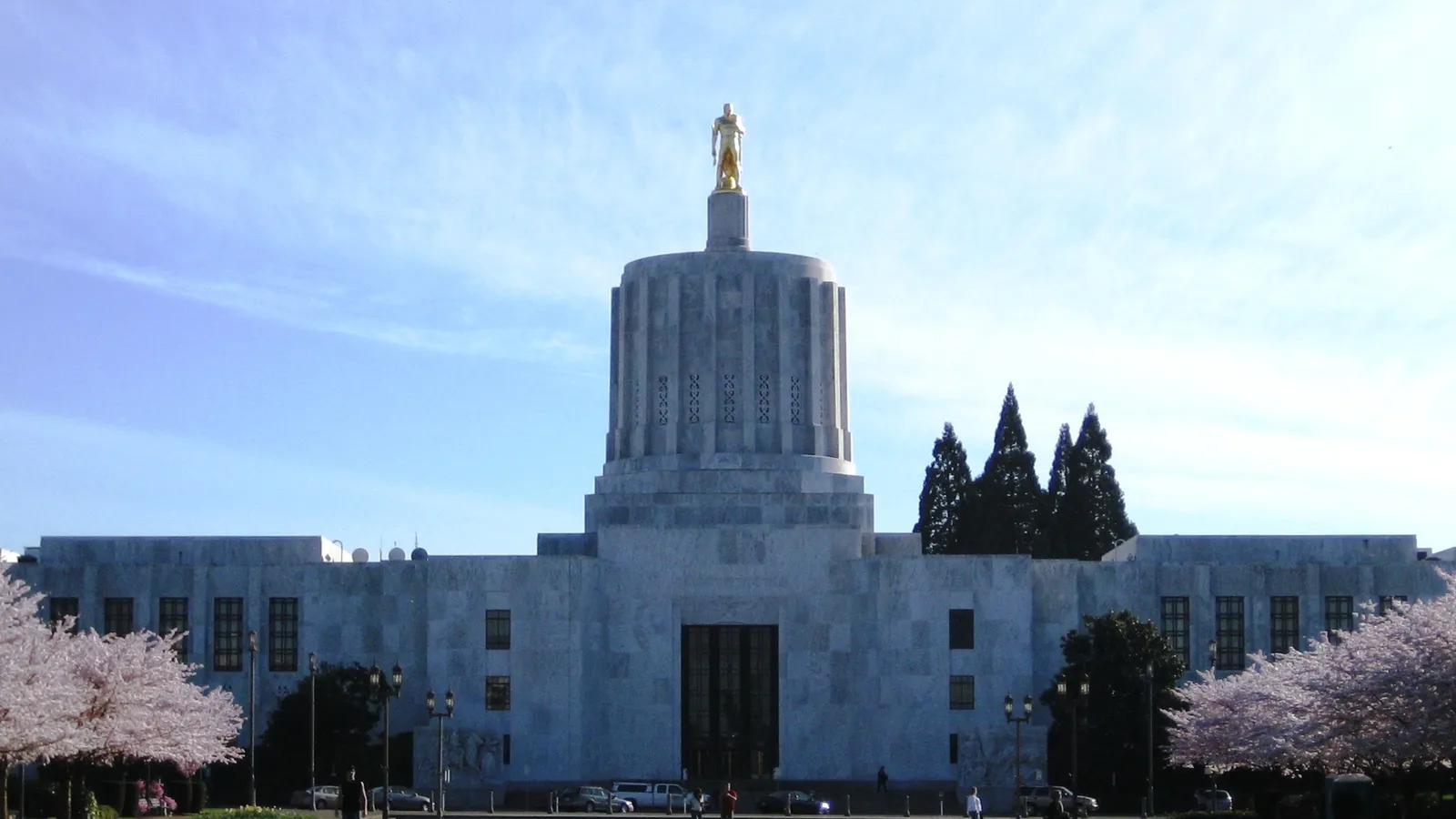
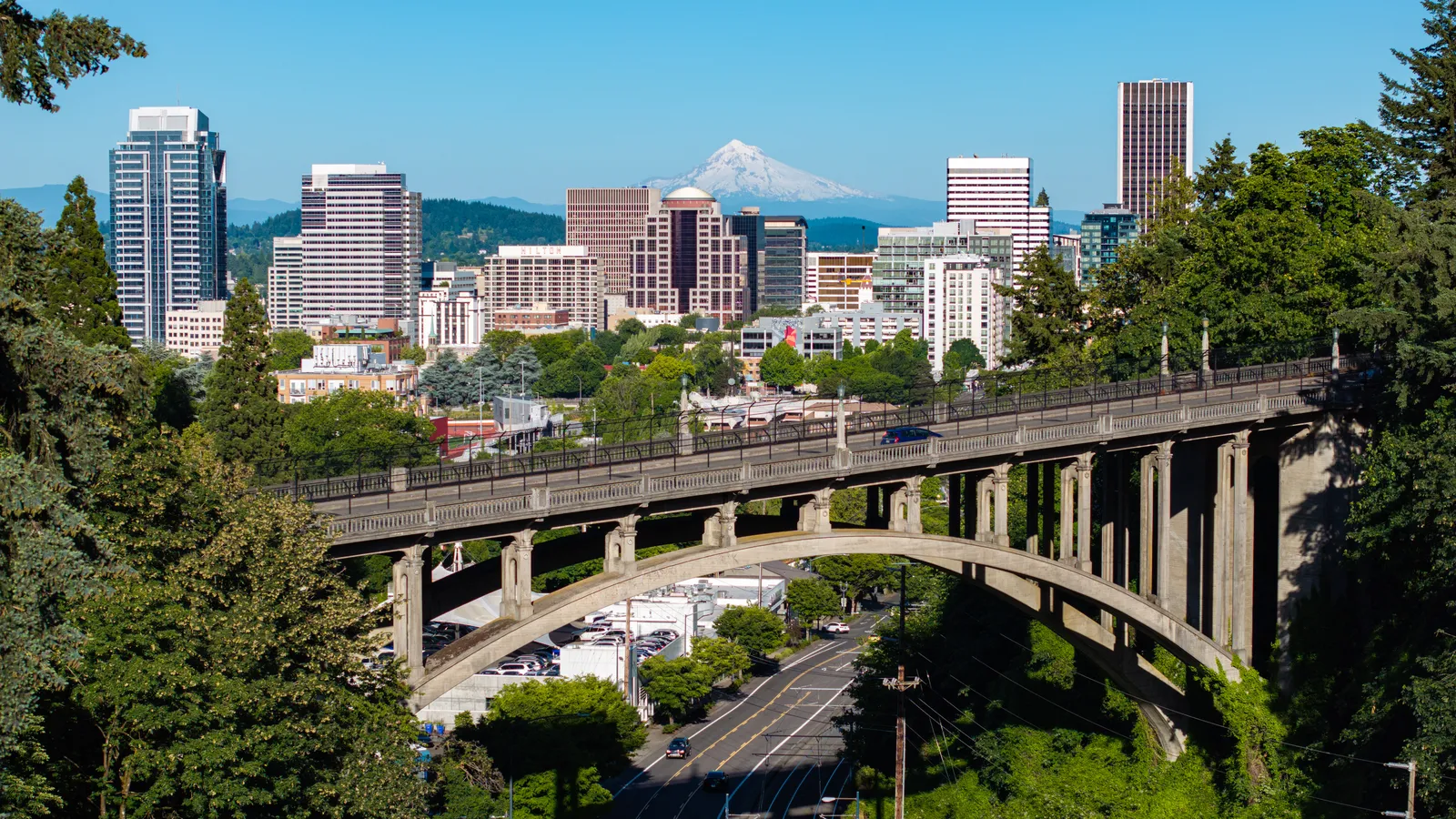
Oregon has until October 28, 2026 to file its Opportunity Zone 2.0 nominations: Business Oregon says Gov. Tina Kotek requested and received the single 30-day federal extension. The state can nominate at most 58 of its 229 eligible tracts, and its published list of applications names 106 tracts in 28 counties: 58 non-rural, 44 rural and 4 tribal nominations, all rural. Multnomah County has 20 of them, 15 from the City of Portland. All 106 are on the IRS eligibility appendix, and Treasury's September 2026 update did not change Oregon's 229. As of October 18, Oregon Treasury published the final OZ 2.0 list on Nov. 5, 2026 (sb0682), effective January 1, 2027.
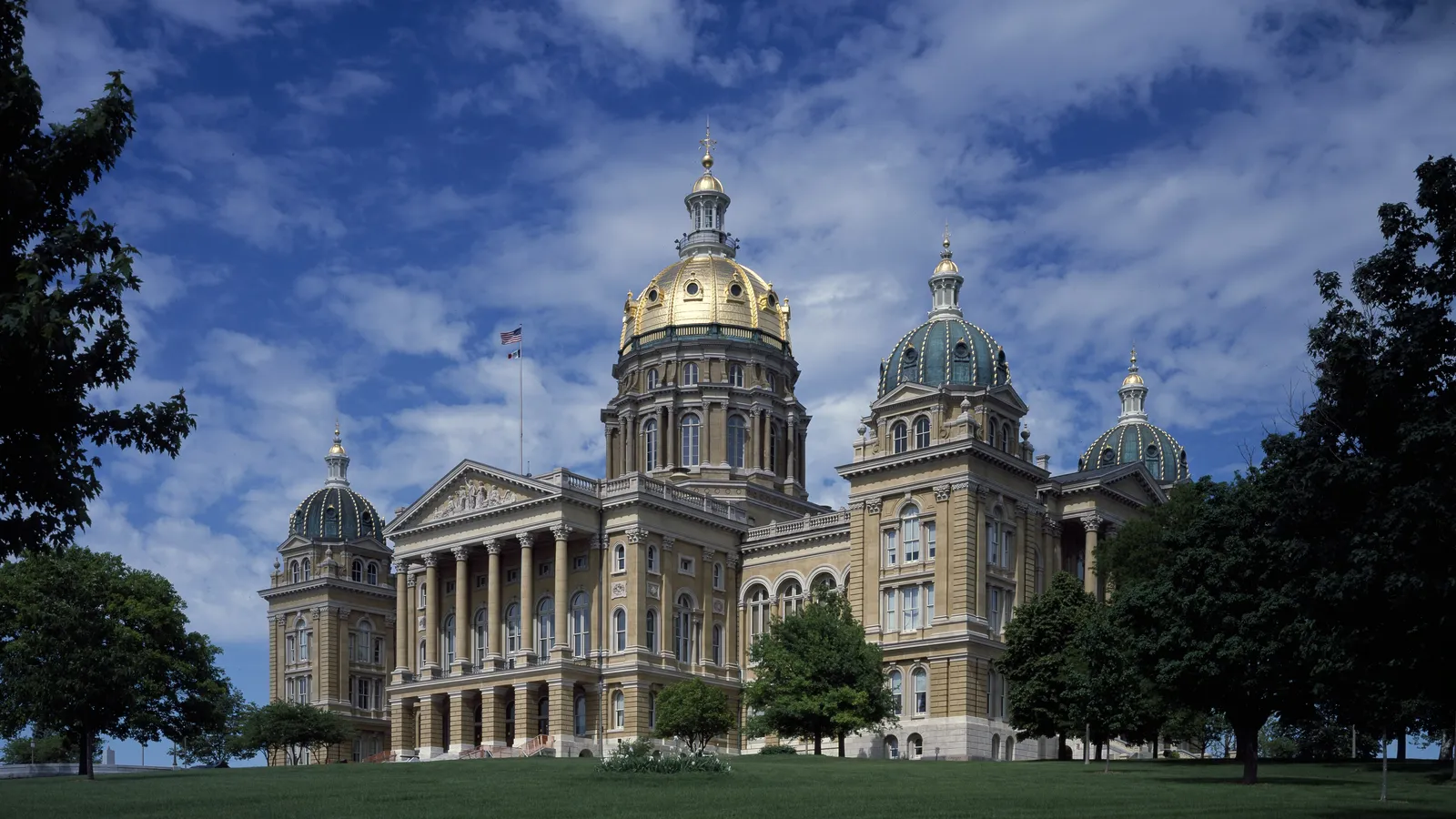
Iowa Economic Development’s Opportunity Zones page, checked Oct 29, 2026, lists 44 Iowa tracts for Opportunity Zone 2.0, the 25% maximum of its 175 eligible tracts, in 28 counties, led by Polk (4). Treasury published the final OZ 2.0 list on Nov. 5, 2026 (sb0682), effective January 1, 2027.0 list.
Business Oregon said on its Opportunity Zones page, checked Oct 29, 2026, that Oregon’s final 58 Opportunity Zone 2.0 nominations went to Treasury: the 25% maximum of its 229 eligible tracts, in 25 of 36 counties, led by Multnomah (11). Treasury published the final OZ 2.0 list on Nov. 5, 2026 (sb0682), effective January 1, 2027.0 list.
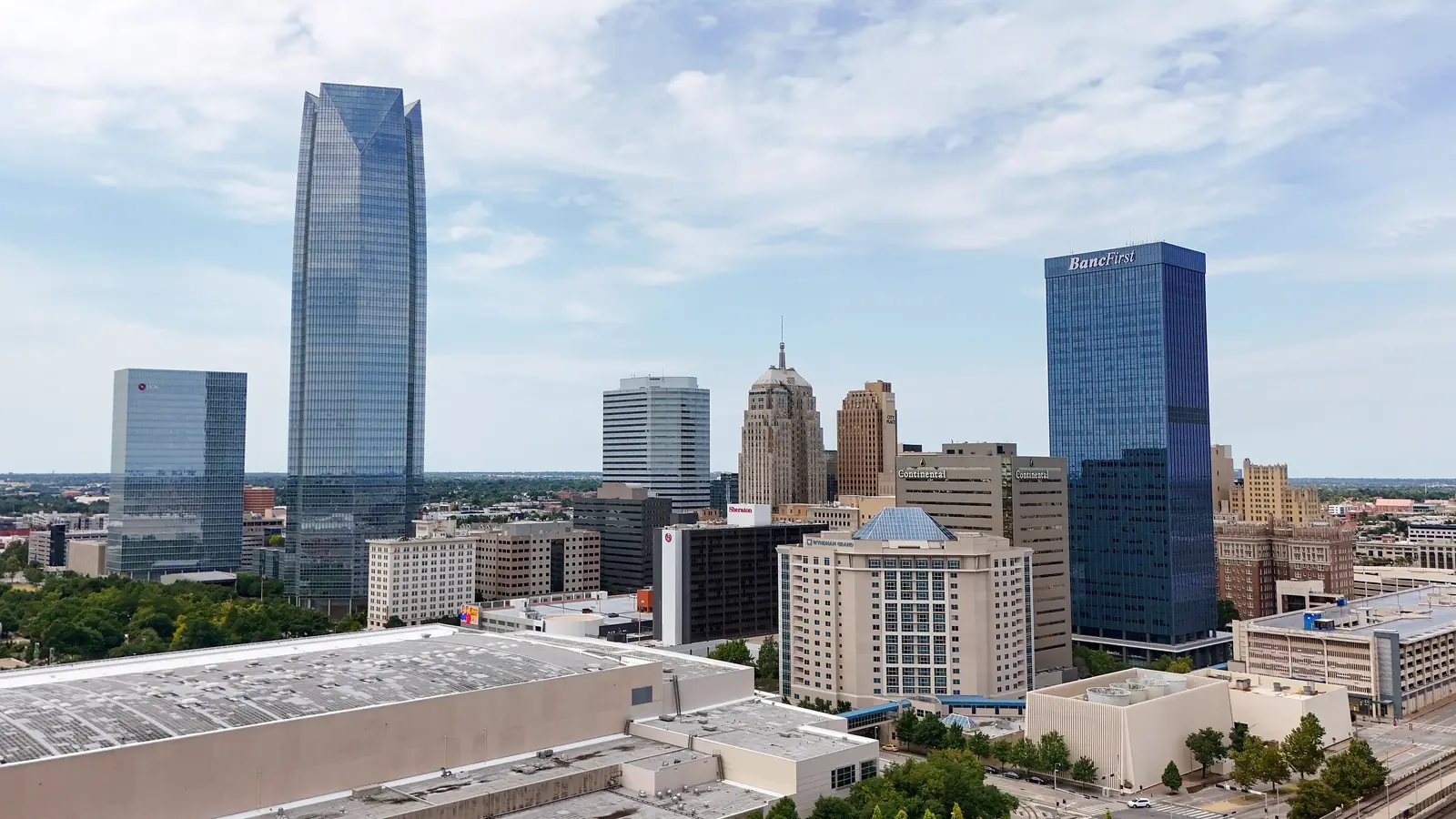
Of the 104 census tracts Oklahoma nominated for Opportunity Zone 2.0, 31 are in the Oklahoma City metro area and 22 in the Tulsa metro area, by our count of the state’s own tract list. The other 51 are spread across 35 counties.
Oklahoma Commerce announced on Oct 28, 2026 that 104 of Oklahoma’s 414 eligible tracts are nominated for OZ 2.0, the 25% maximum, in 47 counties. No Treasury, IRS or CDFI Fund list is published yet.