Updated · Federal Guidance
Treasury designates all 6,576 Opportunity Zone 2.0 tracts on its final list
Treasury (sb0682) designated all 6,576 nominated Opportunity Zone 2.0 tracts as QOZs effective Jan. 1, 2027; 2,594 are rural.
Opportunity Zone Invest · News · Page 3 of 10
Treasury (sb0682) designated all 6,576 nominated Opportunity Zone 2.0 tracts as QOZs effective Jan. 1, 2027; 2,594 are rural.

When do Opportunity Zones expire? Treasury's 6,576 designated OZ 2.0 tracts start Jan. 1, 2027, while most 2018 zones run to Dec. 31, 2028.
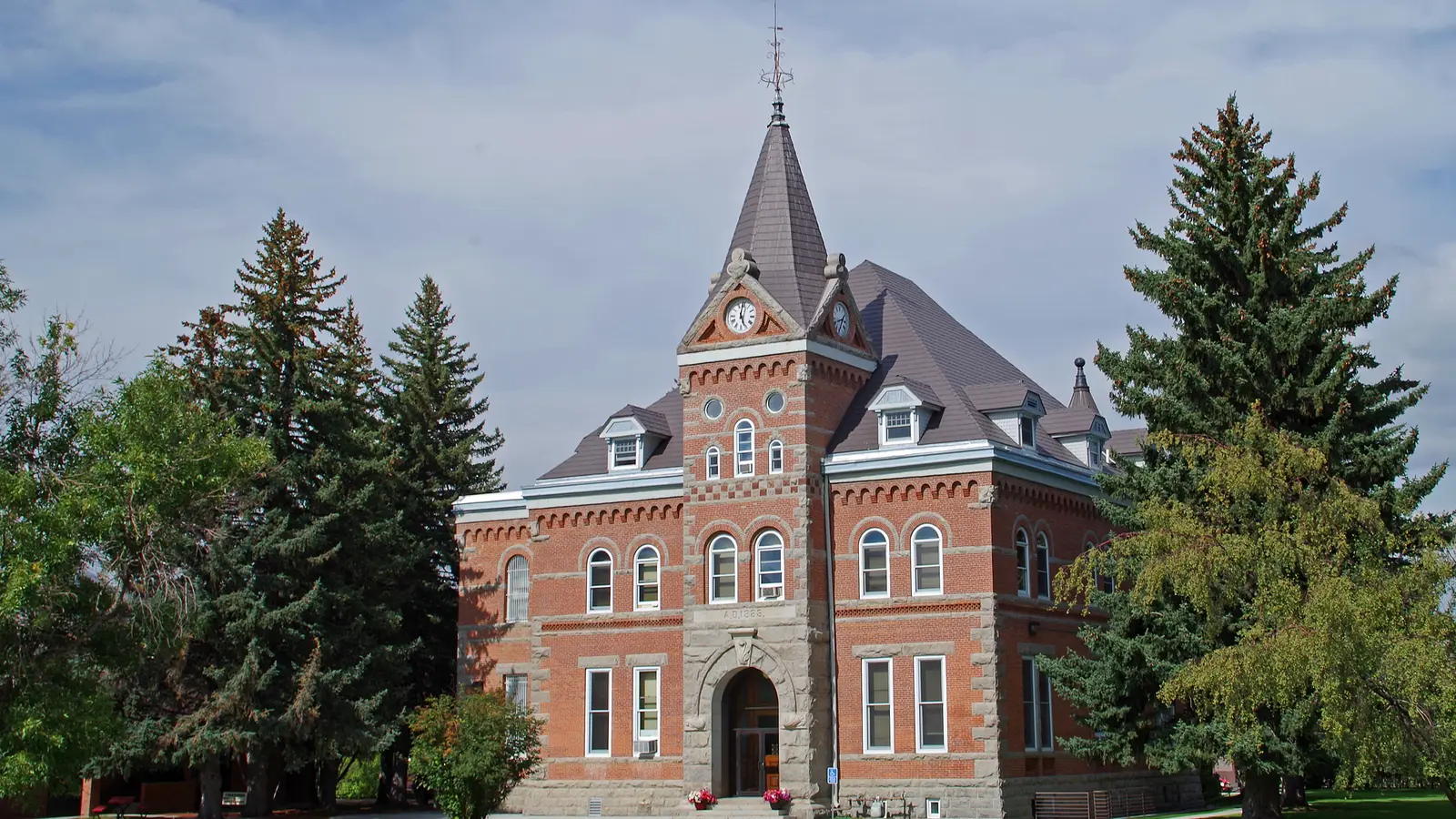
The Jefferson Local Development Corporation said on October 30, 2026 that Gov. Greg Gianforte selected census tracts in Jefferson County for Montana’s Opportunity Zone 2.0 nominations. The release gave no statewide count. Update, Nov. 5, 2026: Treasury’s final list (sb0682) designates all nominated tracts nationwide as QOZs effective January 1, 2027; Montana’s designated count is on the CDFI final file.
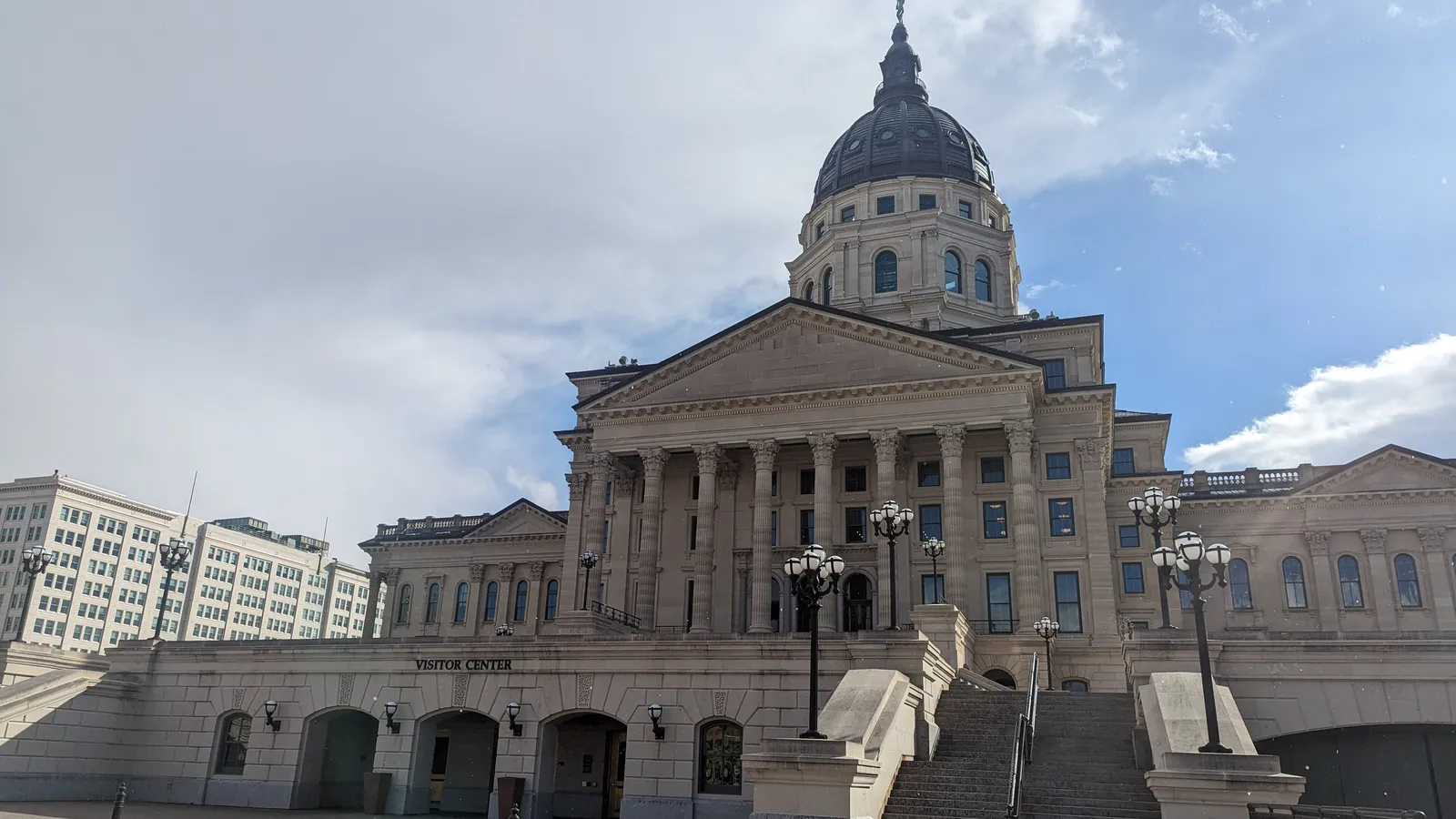
Update, Nov. 5, 2026: Treasury’s final list (sb0682) designates Kansas’s 53 Opportunity Zone 2.0 tracts as QOZs effective January 1, 2027. Earlier, Kansas Commerce said the new round would cut zones from 74 to an expected 53 and that its nomination window was closed.
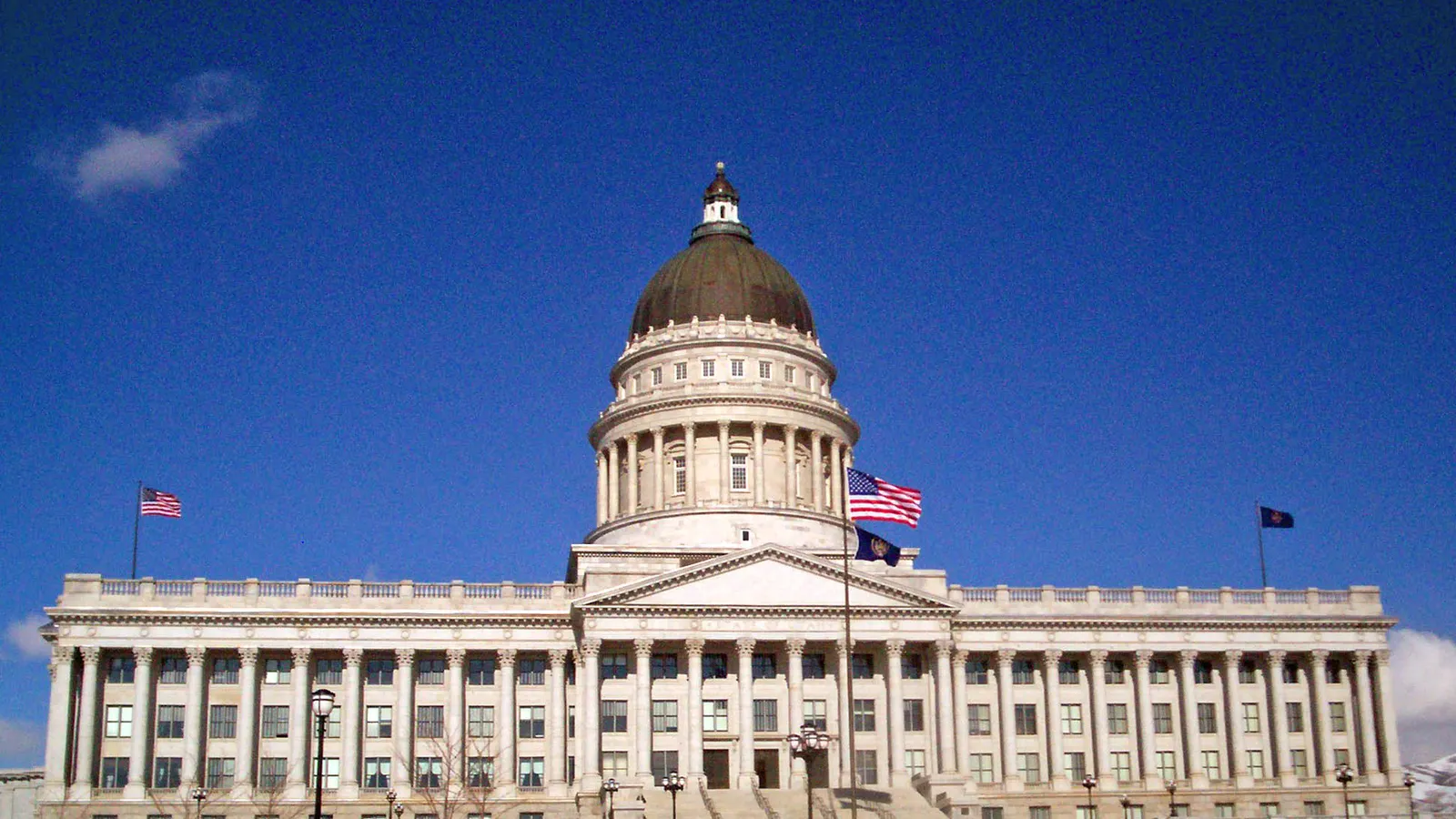
Utah's Governor's Office of Economic Development (GOED) said on November 4, 2026 that the U.S. Treasury has acted on all 37 census tracts Gov. Spencer J. Cox recommended for Opportunity Zone 2.0, keeping the state's full slate without changes. GOED's tract list and map show the same 37 tracts, 27 urban and 10 rural, that Utah filed in September. Treasury's final OZ 2.0 list, published November 5, designates all nominated tracts nationwide, so Utah's 37 are now designated Qualified Opportunity Zones effective January 1, 2027 (Treasury sb0682).
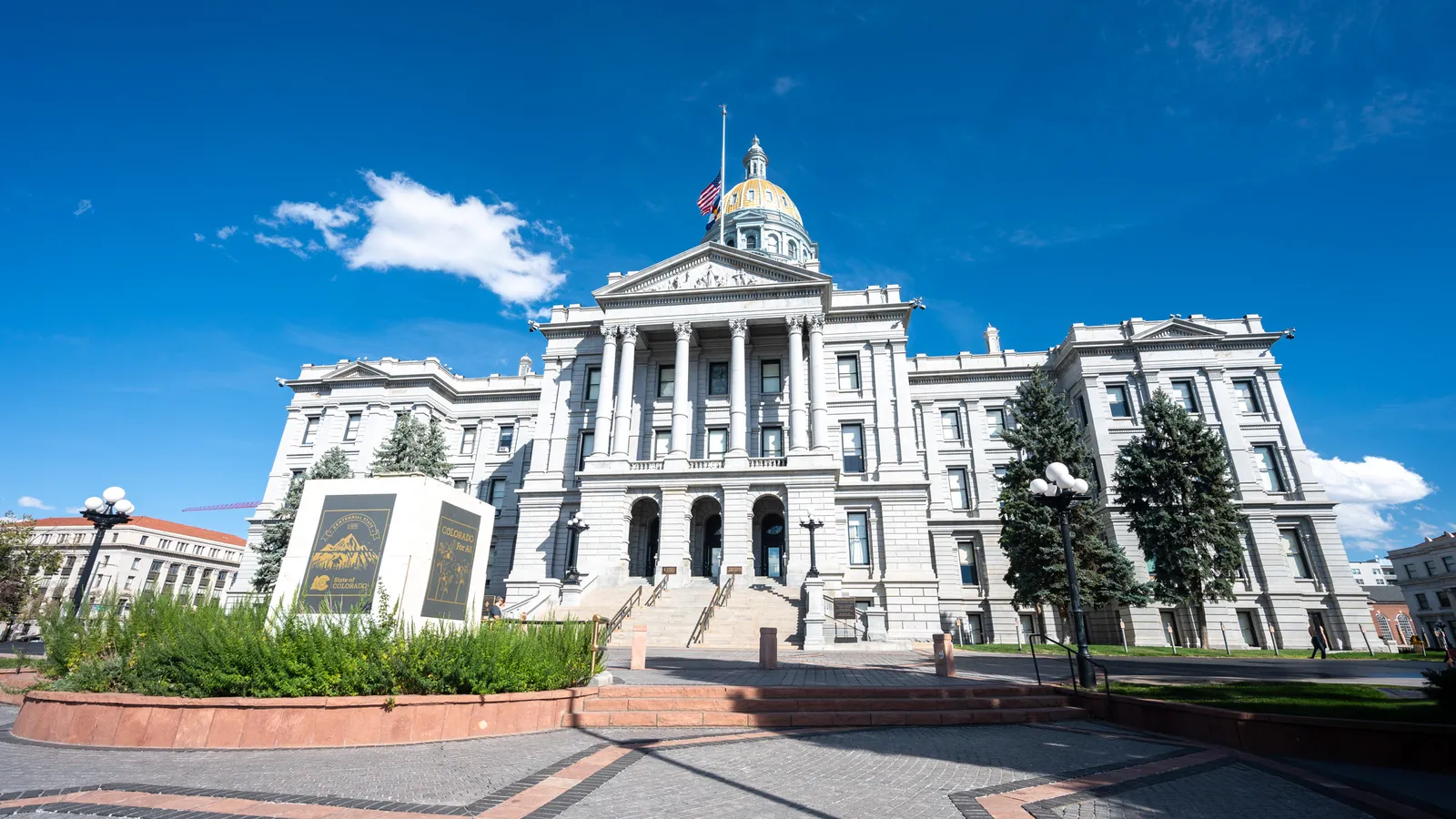
Colorado nominated 91 census tracts for Opportunity Zone 2.0 in September, and Gov. Jared Polis and the state's economic development office (OEDIT) said on November 2, 2026 that the U.S. Treasury has acted on all of them. OEDIT's updated list is the same 91 tracts, 28 of them rural, and the state plans grants for zone communities. Treasury's final OZ 2.0 list, published November 5, designates all nominated tracts nationwide, so Colorado's 91 are now designated Qualified Opportunity Zones effective January 1, 2027 (Treasury sb0682).
Colorado submitted the maximum 91 OZ 2.0 tracts on September 28, 2026. Update, Nov 5: Treasury’s final list (sb0682) designates all 6,576 nominated tracts nationwide as QOZs; Colorado’s 91 are designated effective January 1, 2027.
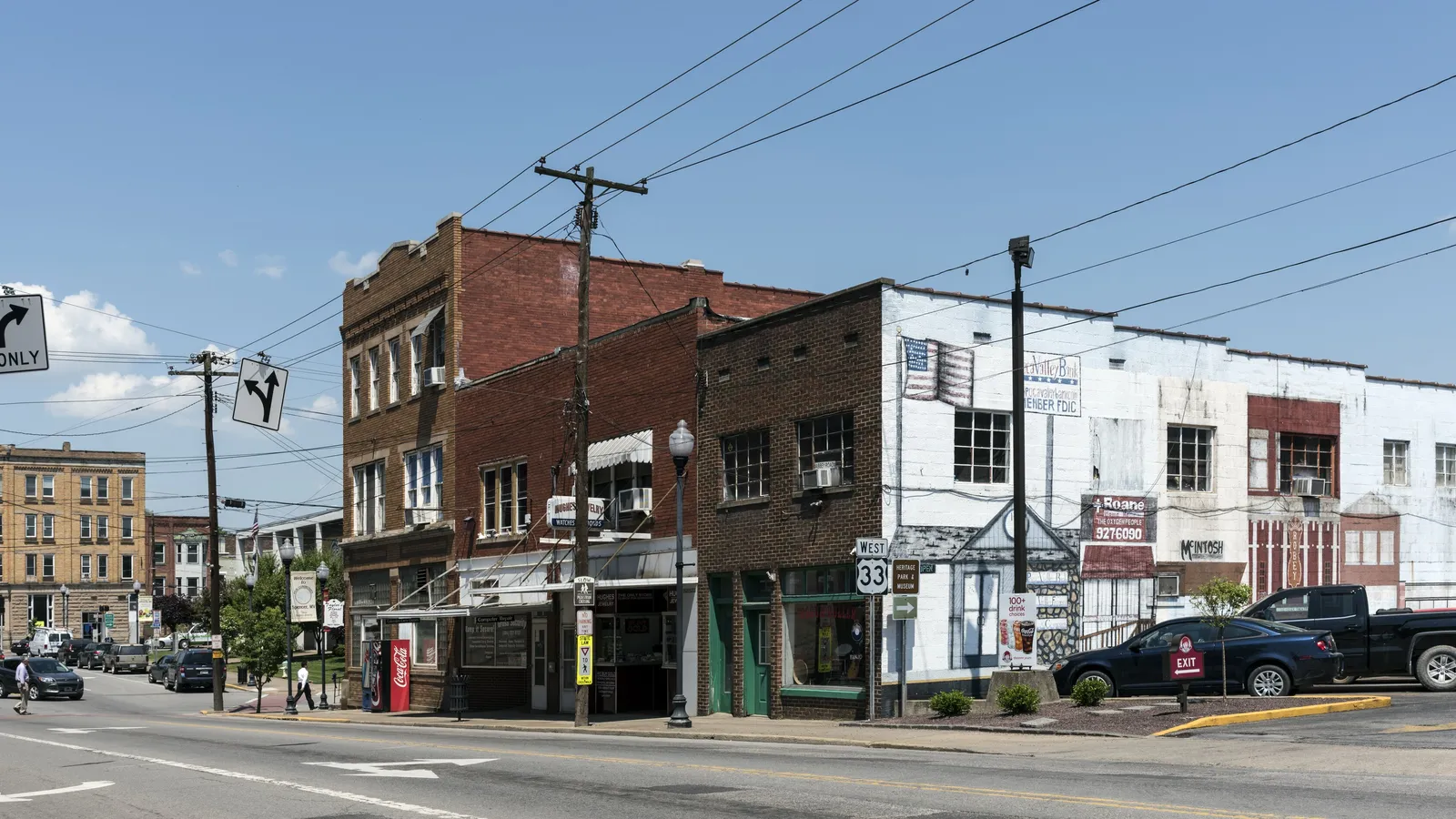
West Virginia has 52 designated Opportunity Zone 2.0 tracts in 32 of its 55 counties, effective January 1, 2027. Treasury press release sb0682 (November 5, 2026) says all 6,576 nominated tracts nationwide are designated QOZs, and Gov. Patrick Morrisey's office said Treasury confirmed all 52 West Virginia tracts the same day.
Of the 6,576 Opportunity Zone 2.0 tracts on Treasury’s November 5, 2026 final list (sb0682), 2,594 are rural in the CDFI Fund file. Those rural QOZs take effect January 1, 2027.
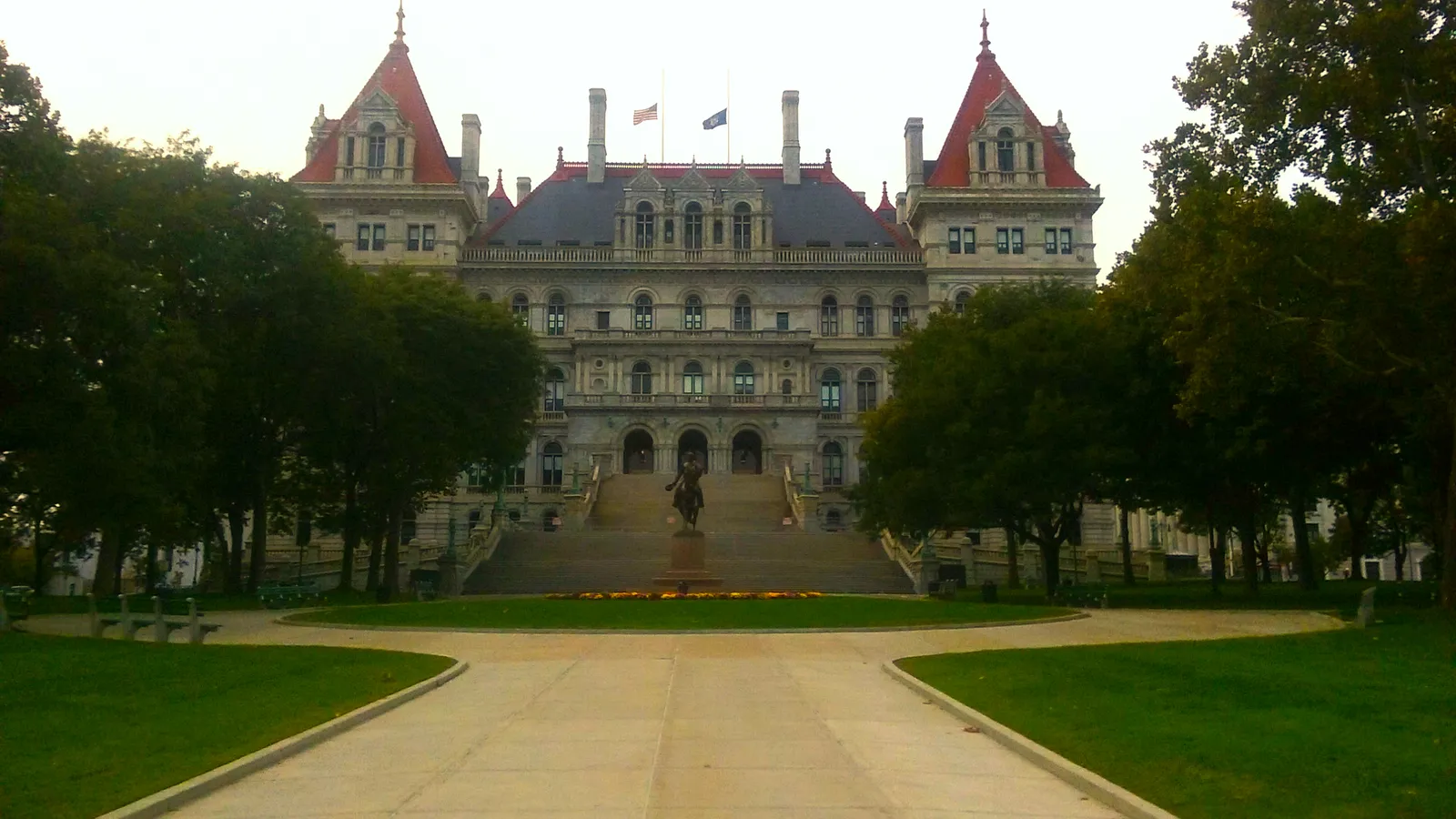
Treasury’s November 5, 2026 release (sb0682) puts Northeast Opportunity Zone 2.0 tracts on the final QOZ list effective January 1, 2027. CDFI counts include New York 430, Pennsylvania 218, Massachusetts 104, Connecticut 61 and Maine 25.
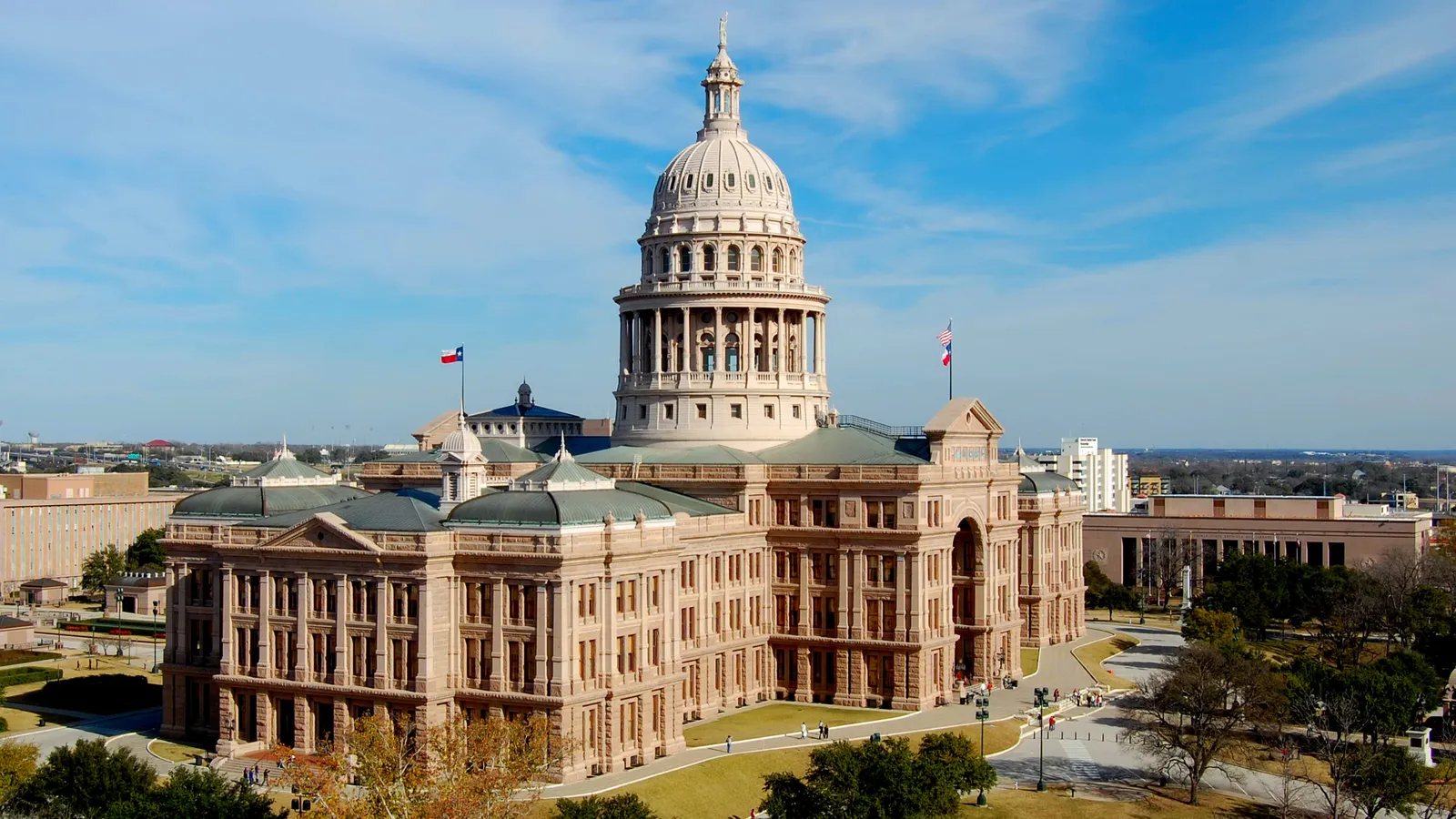
Treasury’s November 5, 2026 release (sb0682) puts Southern Opportunity Zone 2.0 tracts on the final QOZ list effective January 1, 2027. CDFI counts include Texas 608, North Carolina 204, Louisiana 156, Alabama 141, South Carolina 113 and Oklahoma 104.

Treasury’s November 5, 2026 release (sb0682) puts West Coast and Mountain West Opportunity Zone 2.0 tracts on the final QOZ list effective January 1, 2027. CDFI counts include California 620, Arizona 127, Washington 99, Colorado 91 (28 rural) and Utah 37.
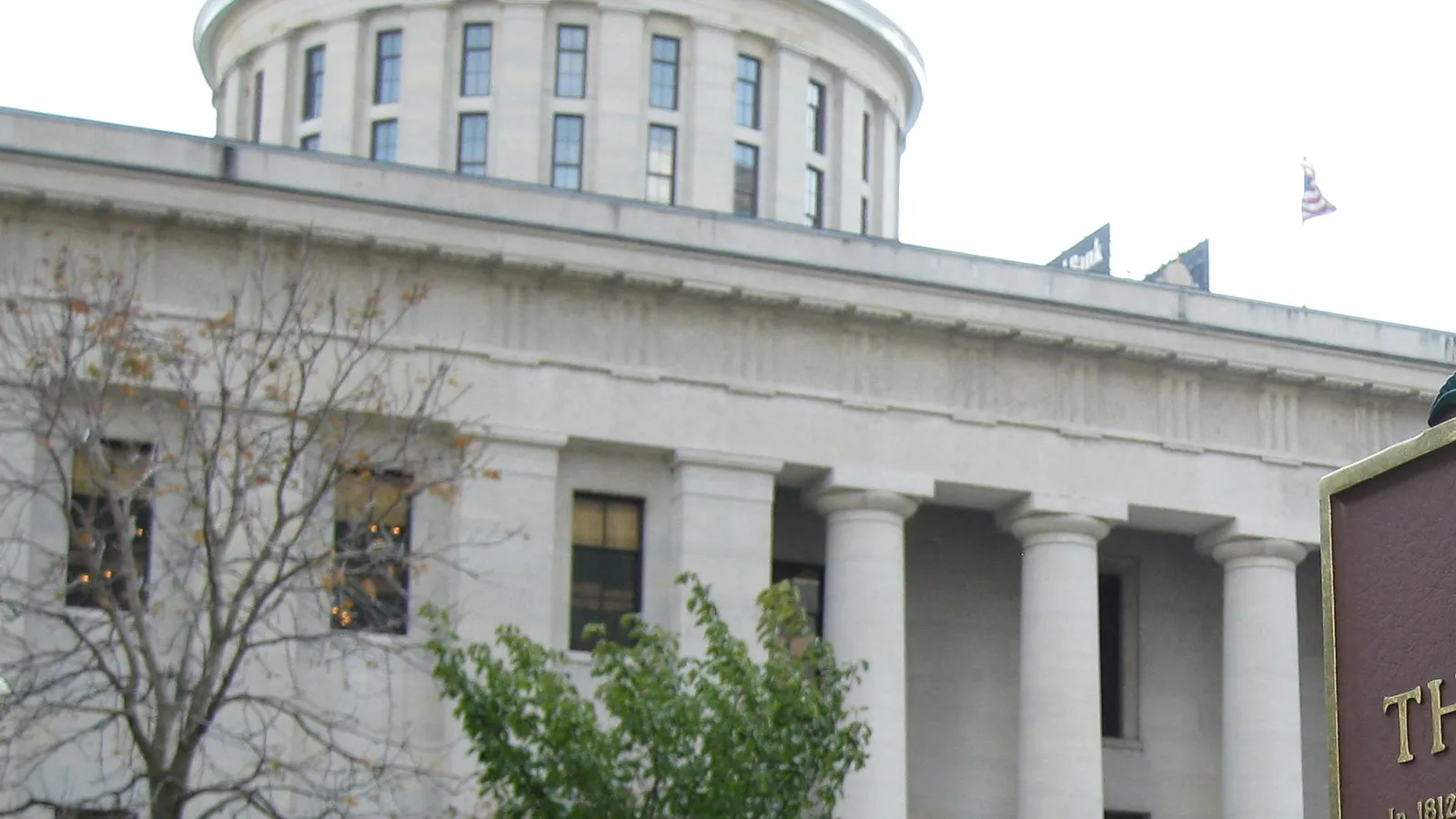
Treasury’s November 5, 2026 release (sb0682) puts every nominated Midwest Opportunity Zone 2.0 tract on the final QOZ list effective January 1, 2027. CDFI counts: Ohio 260, Illinois 240, Michigan 215, Missouri 131, Indiana 126, Wisconsin 77, Minnesota 73, Kansas 53, Iowa 44 and Nebraska 28.
Gov. Spencer Cox has recommended 37 census tracts to the U.S. Treasury for Treasury's final list under Opportunity Zone 2.0, the Governor’s Office of Economic Development (GOED) announced on September 24, 2026. That is the maximum Utah can nominate: 25% of its 147 eligible tracts. GOED’s list has 27 urban and 10 rural tracts, drawn from an eligible pool of 117 urban and 30 rural tracts. Salt Lake County has the most picks (11), followed by Utah County (7). Every listed tract appears on the IRS Rev. Proc. 2026-14 eligibility appendix, with matching rural flags. Update, Nov 5, 2026: Treasury's final list (sb0682) designates these 37 tracts as Qualified Opportunity Zones effective January 1, 2027. When GOED announced them, it expected Treasury to finalize the list in December.
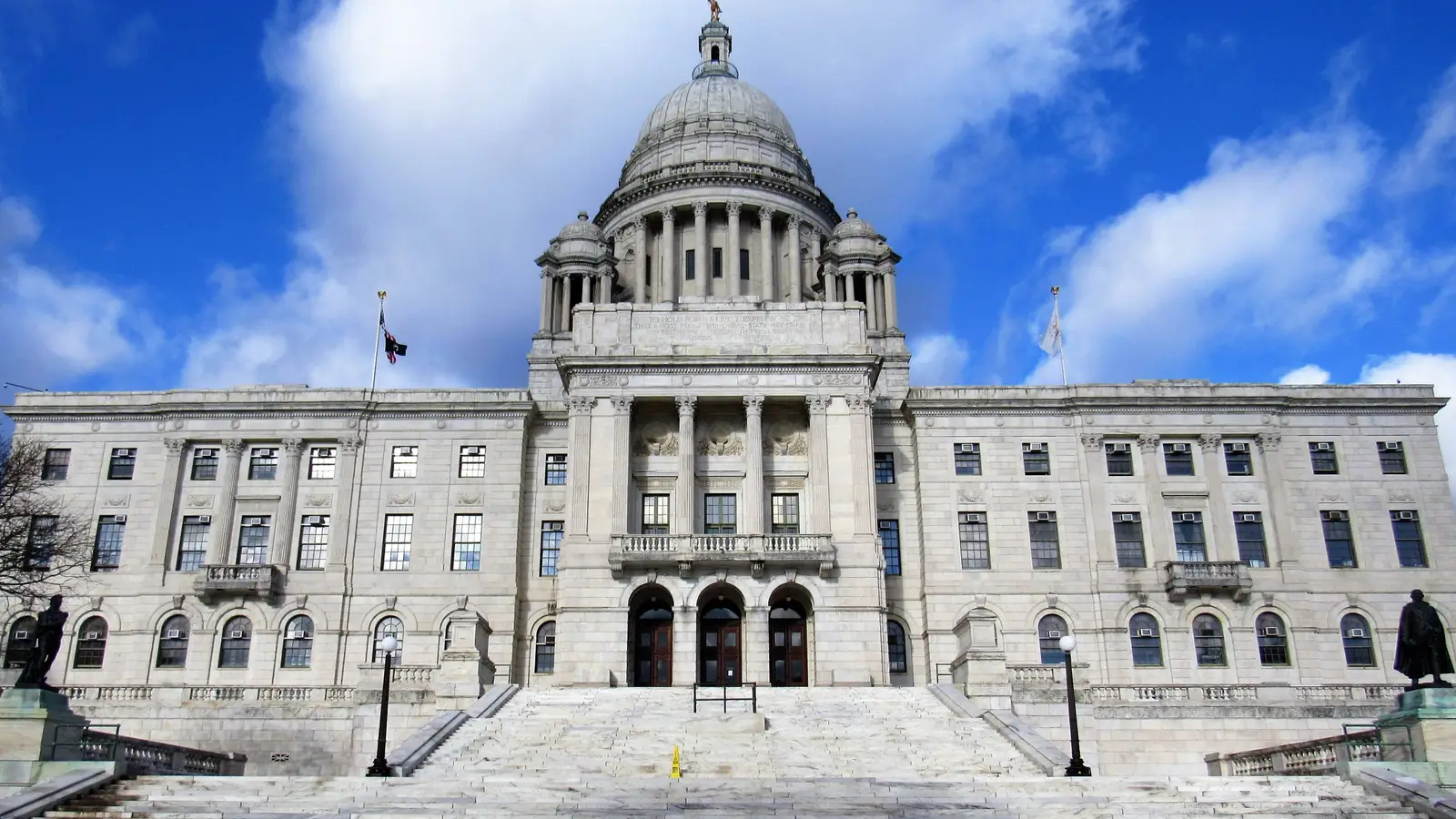
Rhode Island Commerce says the state nominated 25 census tracts to Treasury on Oct 28, 2026, the most it can of its 55 eligible tracts. Providence County has 21. Treasury's Nov 5 final list designates them as QOZs effective Jan 1, 2027 (Treasury sb0682).
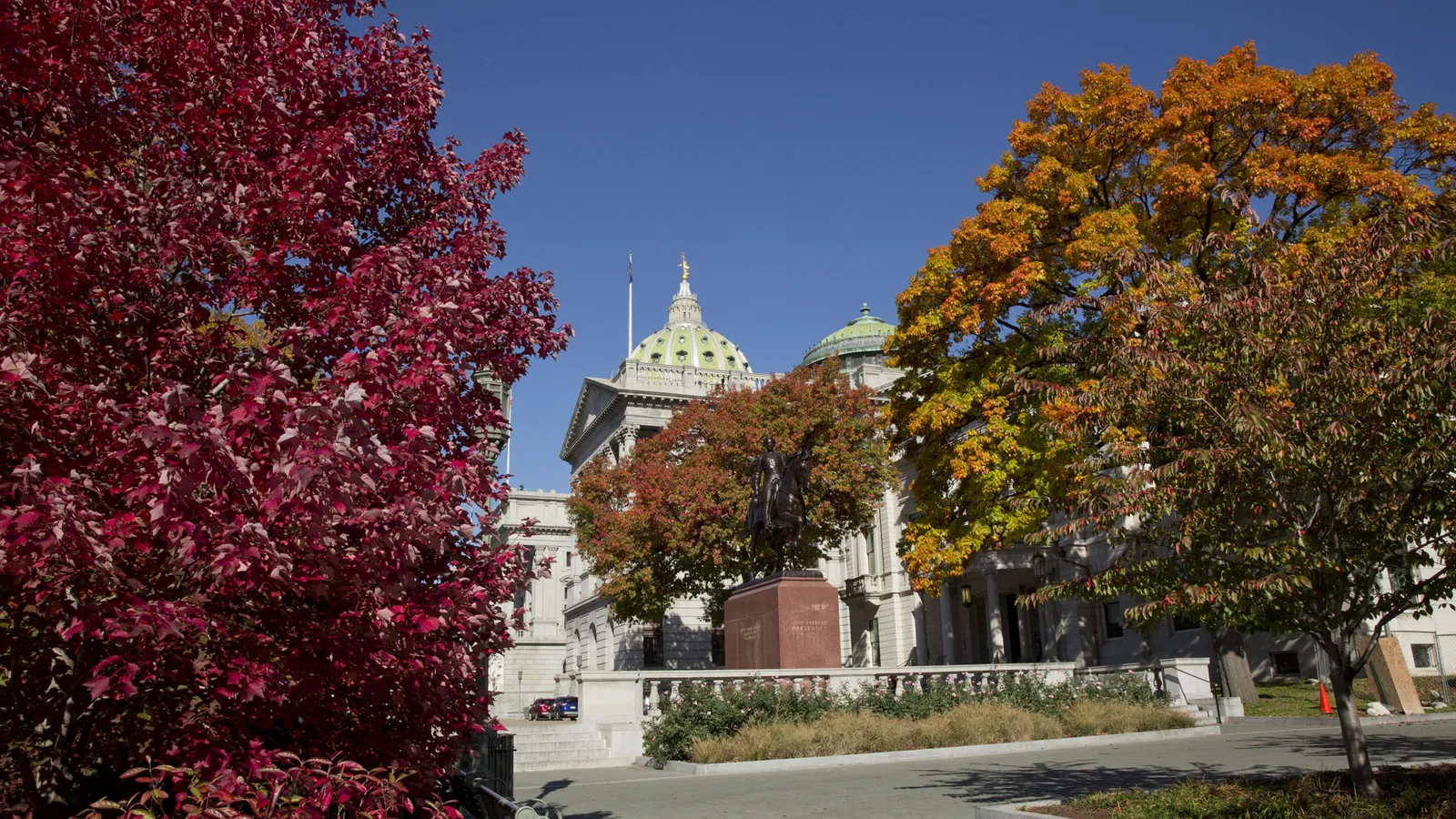
PA DCED announced on Oct 29, 2026 that Pennsylvania submitted its 218 Opportunity Zone 2.0 nominations to Treasury, the 25% maximum of its 871 eligible tracts. DCED’s nominations map shows all 218, in 63 counties, led by Philadelphia County (47). No Treasury, IRS or CDFI Fund list is published yet.
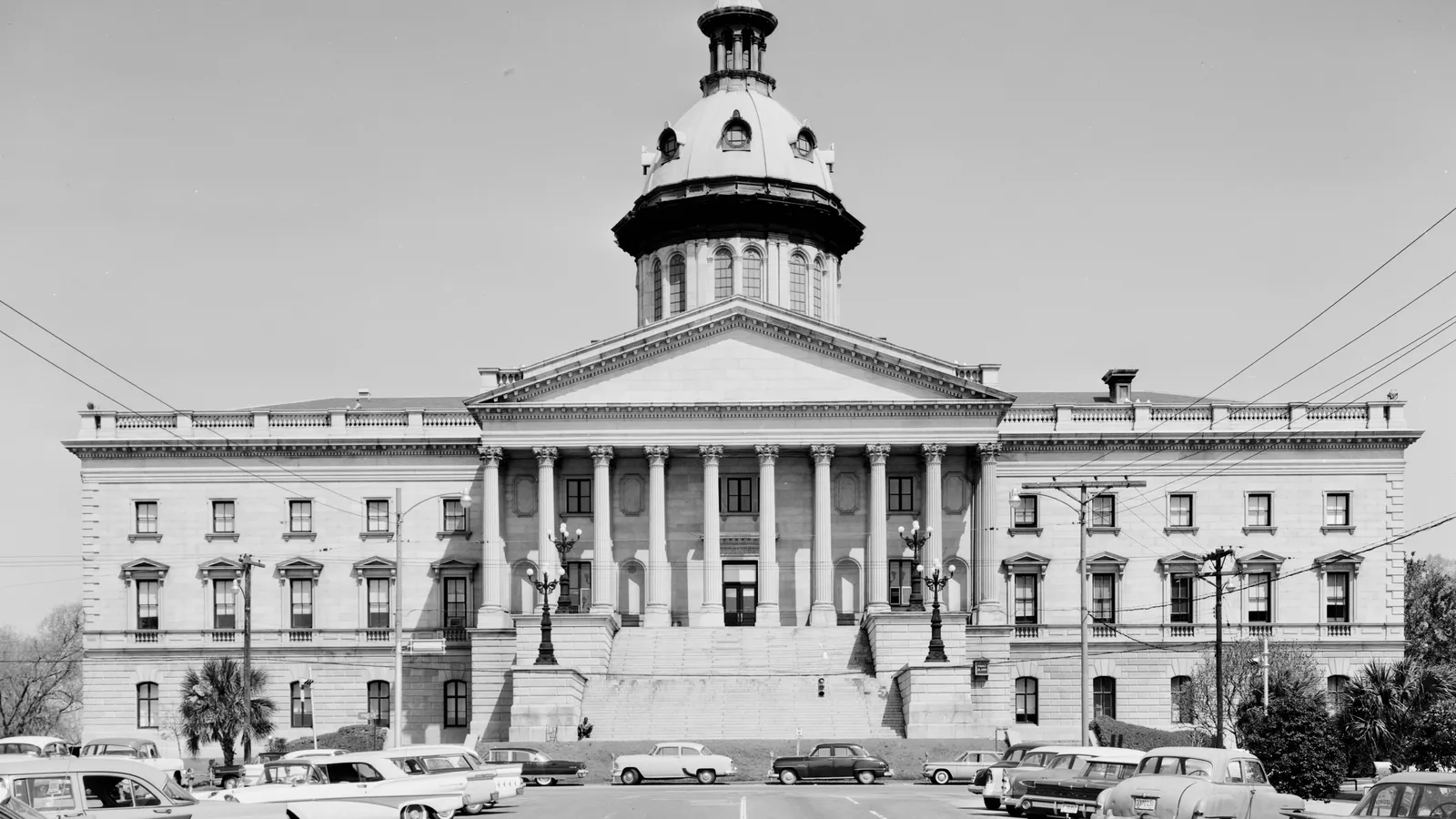
Gov. Henry McMaster submitted South Carolina's Opportunity Zone 2.0 nominations to the U.S. Treasury on September 10, 2026, according to SC Commerce. Its Oct 21, 2026 list has 113 census tracts, 85 of them rural and 28 non-rural, in 45 counties. That is every county with an eligible tract. As of Oct 21, 2026, South Carolina has 449 eligible tracts, for a 25% cap of 113; its Sep 22 list had 112 of 445. Richland County has the most nominations (9). Nominated tracts would take effect January 1, 2027, as designated on Treasury’s final list (sb0682), effective January 1, 2027.
The 90-day federal Opportunity Zone 2.0 nomination window closed September 28, 2026. Nine states and the U.S. Virgin Islands now have filings on our tracker that a state, territory or Treasury source confirms, totaling 1,195 nominated census tracts by their own counts: Texas (608 tracts nominated, per the state's list), Indiana (126), Arizona (125, including 3 off-list tracts), South Carolina (113), Colorado (91), Utah (37), Nebraska (28), Idaho (25), Delaware (25) and the U.S. Virgin Islands (18). 5, 2026 (sb0682), effective January 1, 2027. New Jersey says it has a 30-day Treasury extension and will file by October 28. Alaska, Kansas, Kentucky, Maine, Mississippi, North Carolina and Massachusetts have not published a filing we can confirm from an official source as of October 2. Every slate, Idaho's included, is still designated on Treasury's final list (press release sb0682), effective January 1, 2027. OZ 2.0 zones take effect January 1, 2027.
Twelve states and the U.S. Virgin Islands have filed Opportunity Zone 2.0 nominations covering 1,633 census tracts, according to our source-linked tracker. Filing is not the last step. Under IRS Rev. Proc. 2026-14, governors can still add or modify nominations until October 28, 2026, the latest end of the single 30-day extension; after that, change requests “will be denied.” Treasury then has a 30-day consideration period to finalize nominated tracts, which ends November 27, 2026 at the latest, or December 28 if a governor requests an extension. Finalized tracts become Opportunity Zones on January 1, 2027, and remain zones through December 31, 2036. Treasury published the final OZ 2.0 list on Nov. 5, 2026 (sb0682), effective January 1, 2027.
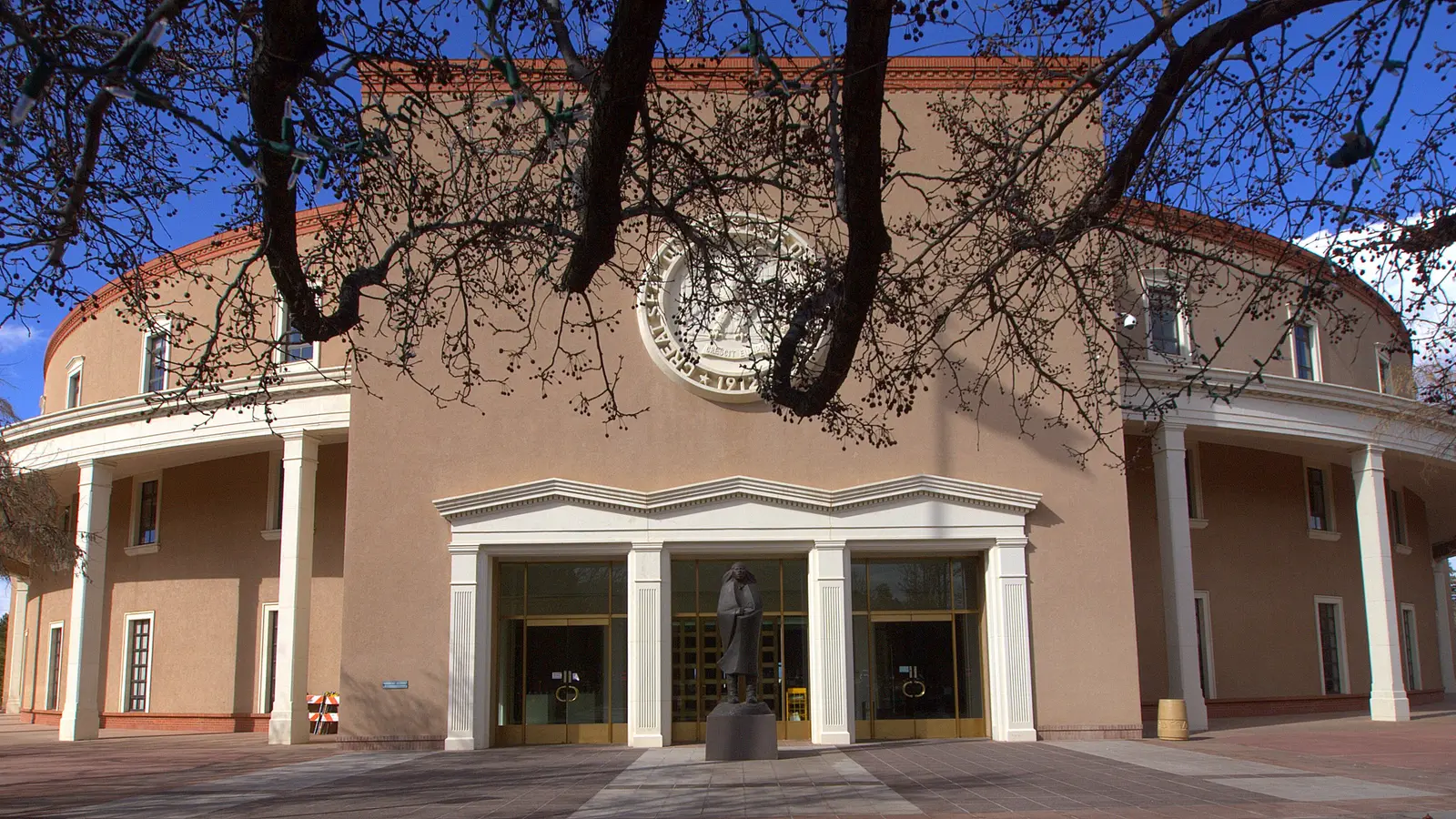
Economic Development New Mexico says the state submitted 65 census tracts to Treasury for Opportunity Zone 2.0, the 25% maximum of its 258 eligible tracts, in 22 counties. Bernalillo County has 21. Treasury published the final OZ 2.0 list on Nov. 5, 2026 (sb0682), effective January 1, 2027.