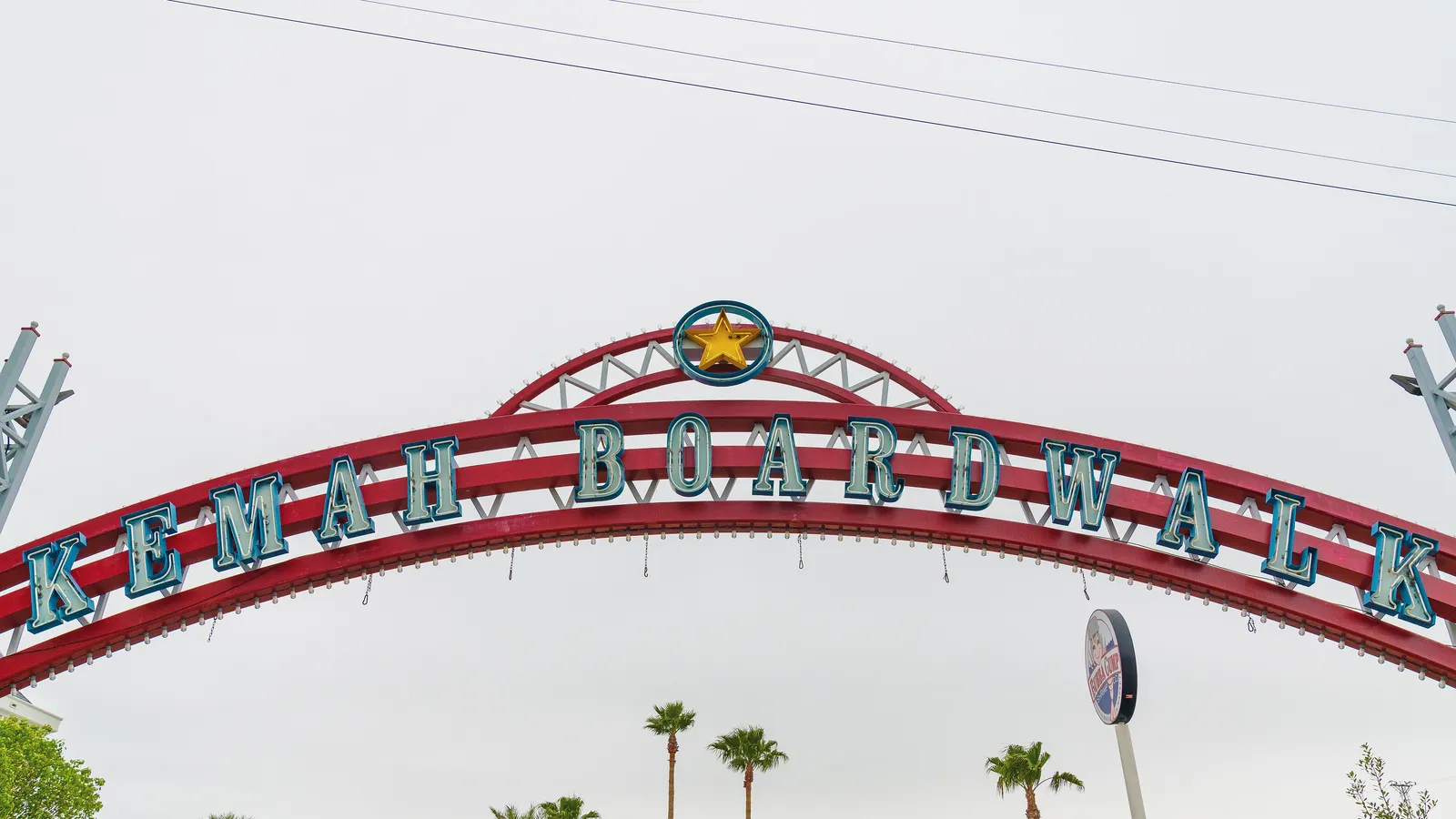
Kemah City Council voted unanimously on June 17 to seek state and federal support to nominate large areas between FM 2094 and FM 518 as a Qualified Opportunity Zone — city documents note between one-third and one-half of Kemah's land could qualify. Leaders hope OZ status will draw private capital and capital-gains-deferred investment to the Houston-area city. Texas can nominate about a quarter of its roughly 2,420 eligible tracts.
Fort Lauderdale city commissioners passed a denser, 378-unit redesign of an 11 Andrews Avenue mixed-use tower whose development site sits in a federal Opportunity Zone. The site is held by Bachow Fam OZ Fund LLC, which can raise capital from investors seeking OZ tax deferral — an example of OZ capital backing downtown multifamily development in South Florida.
Officials broke ground on the Camp Howze Industrial Rail Park, a 480-acre BNSF-certified development off Interstate 35 in Gainesville that sits within an Opportunity Zone and is eligible for New Markets Tax Credits and Texas Chapter 403 incentives. With one anchor tenant signed and potential for up to 2,000 jobs, officials cited roughly $1.6 billion in potential investment — a concrete example of OZ-eligible industrial development as the OZ 2.0 map takes shape.
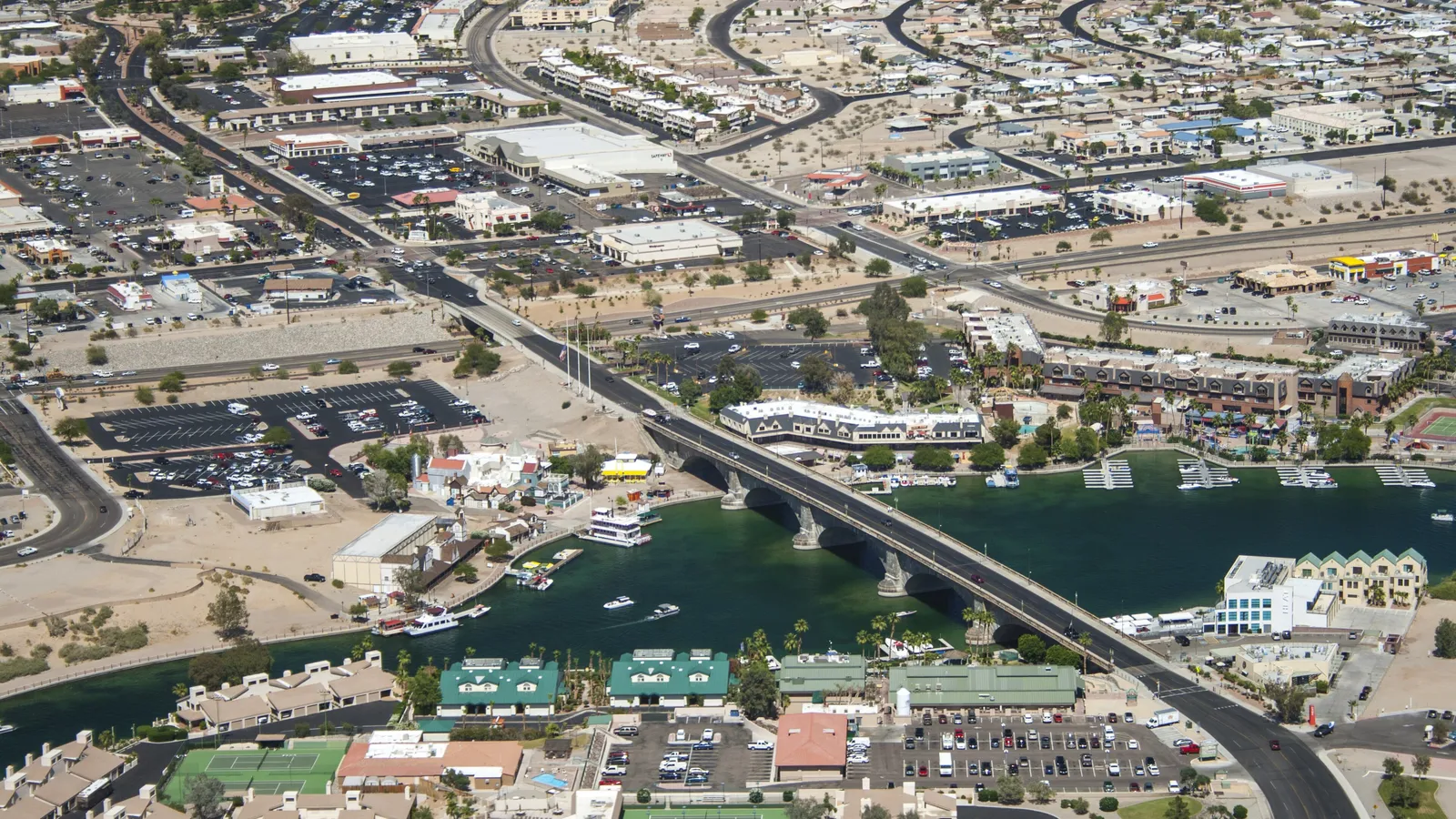
Mohave County is pushing for five new Opportunity Zones under OZ 2.0, targeting specific areas where housing, jobs, and infrastructure momentum is already building. The strategy reflects the program's permanence under OBBBA and the new transparency rules requiring Treasury to publish housing and economic-impact data for tracts. Arizona has roughly 500 eligible tracts ahead of the July 1 nomination window.
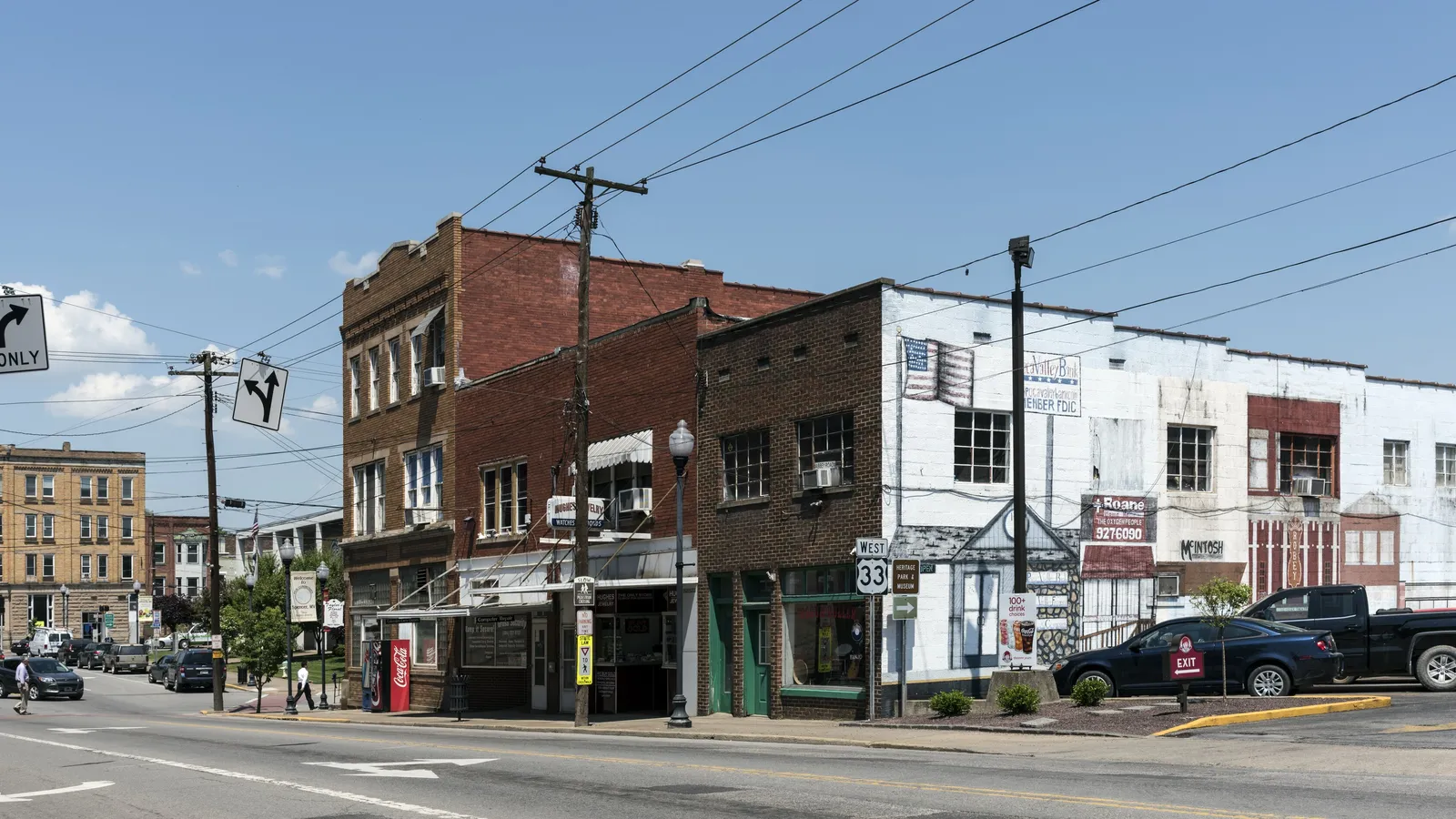
The Roane County Economic Development Authority is applying to nominate two local census tracts for OZ 2.0 status, submitting its package — with letters of support from local partners — to the West Virginia Division of Economic Development ahead of the state's July 1, 2026 deadline. Gov. Patrick Morrisey will decide which tracts advance to Treasury for Treasury's final list. The move shows rural counties positioning early for the program's enhanced 30% rural QROF step-up.
The City of Greenwood submitted four census tracts as priority areas for OZ 2.0 status, City Manager Julie Wilkie told City Council, noting the state's submission deadline fell on June 16. South Carolina is among the states moving ahead of the federal July 1–September 28 governor nomination window. Of South Carolina's roughly 449 eligible tracts, the state can nominate about a quarter.
Industry analysts report a meaningful uptick in sponsor activity preparing Qualified Rural Opportunity Fund (QROF) vehicles for the January 1, 2027 effective date. With the 30% rural step-up roughly tripling the year-5 tax benefit vs standard QOFs, several established sponsors are launching dedicated rural-only funds for the first vintage under OZ 2.0.
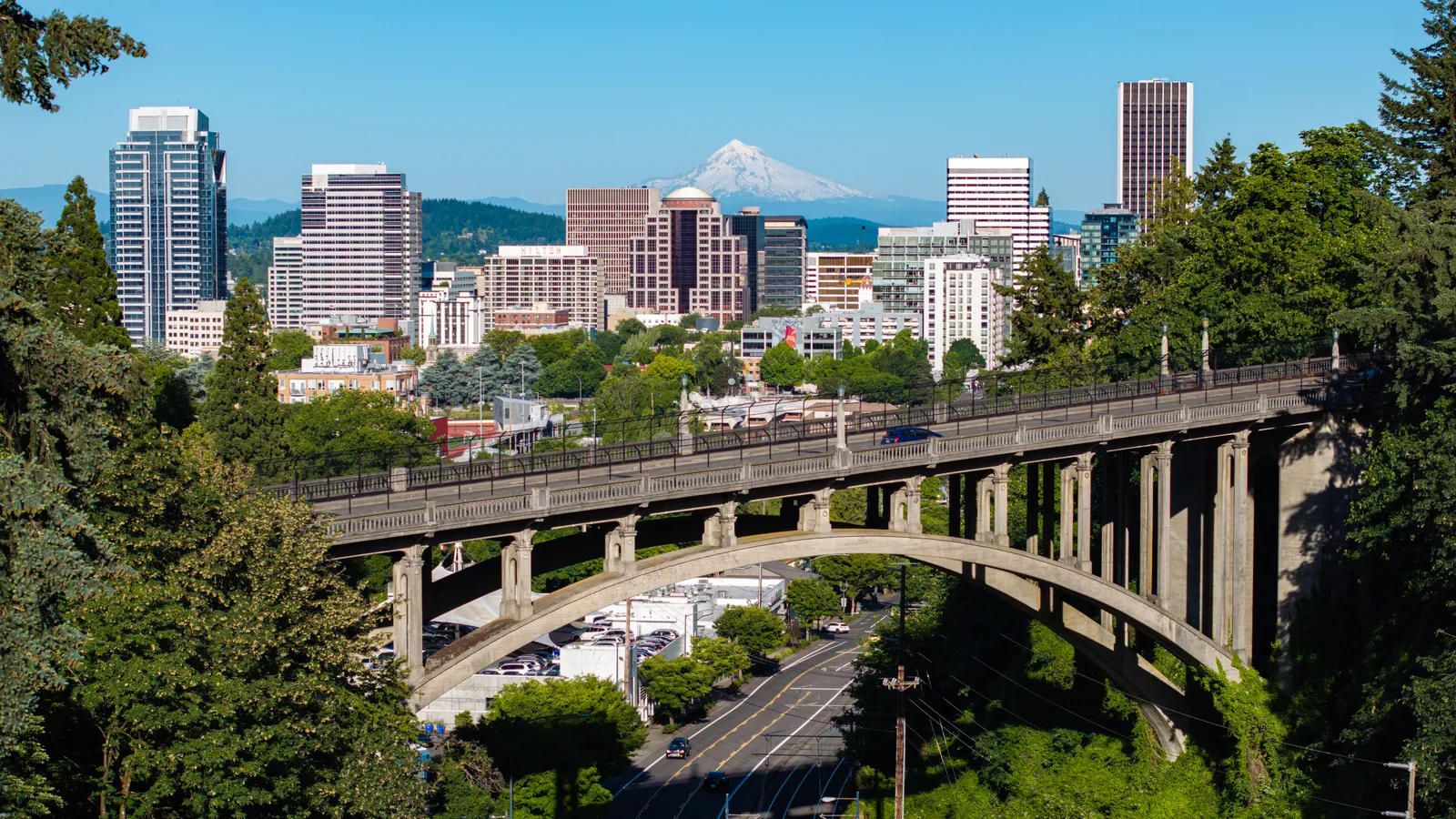
Business Oregon's application window for cities, counties, ports, tribal governments, and economic development organizations closed today. Of 229 eligible tracts, Oregon will nominate up to 58 — final selections expected June 2026.
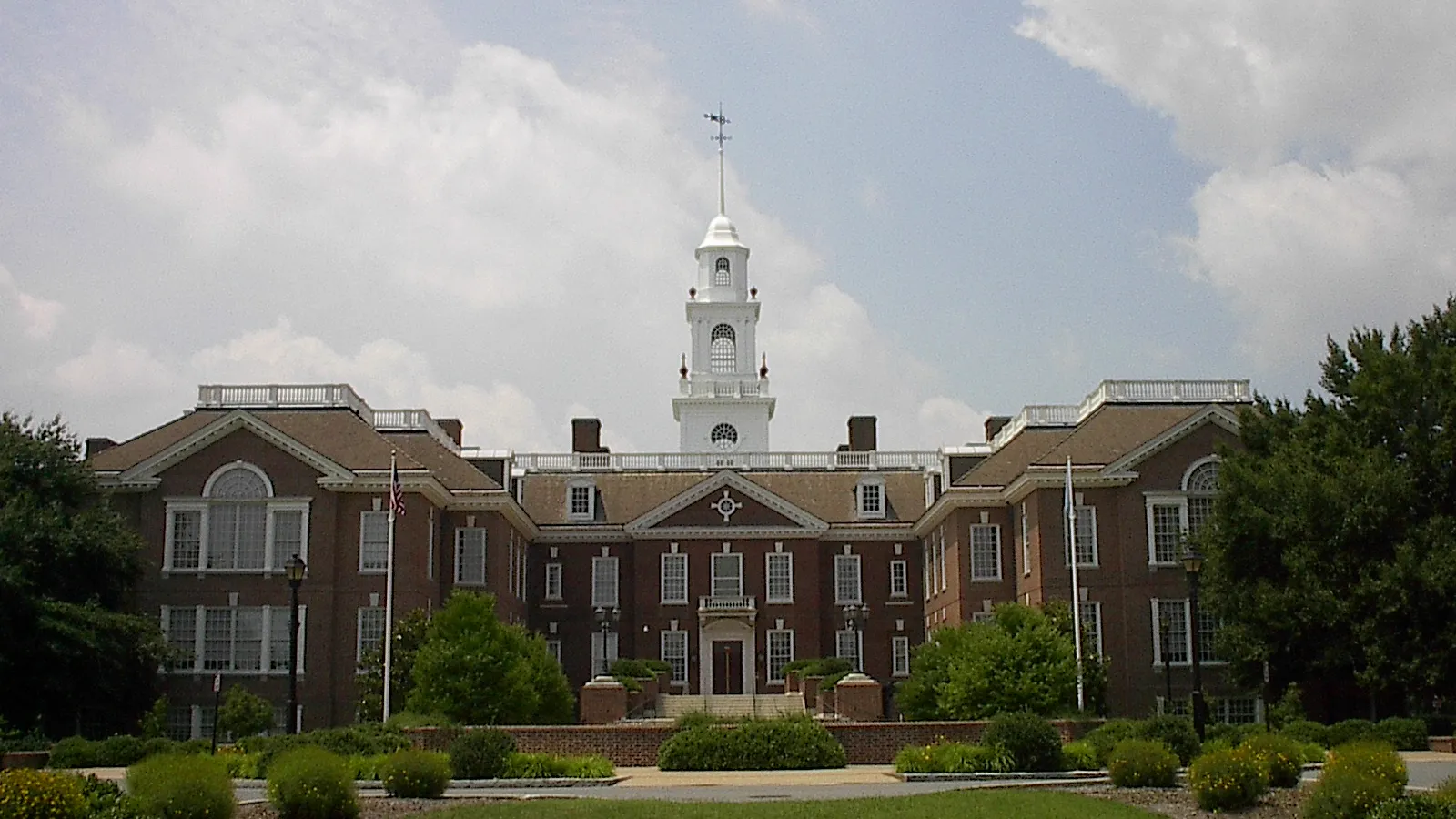
Delaware Small Business Administration finished accepting community input on OZ 2.0 tract nominations. The state's eligibility map identifies 61 qualifying tracts; Delaware can nominate up to 15.
Investors who realized capital gains in Q1 2026 face a 180-day rollover window that puts their decision squarely on the OZ 1.0 / OZ 2.0 boundary. Gains realized in late Q1 will rollover into mid-2026 — under OZ 1.0 rules (sunset Dec 31, 2026). Gains realized in mid-Q2 2026 onward can be timed to rollover into early 2027 under OZ 2.0 (rolling 5-year deferral + 30% rural step-up).
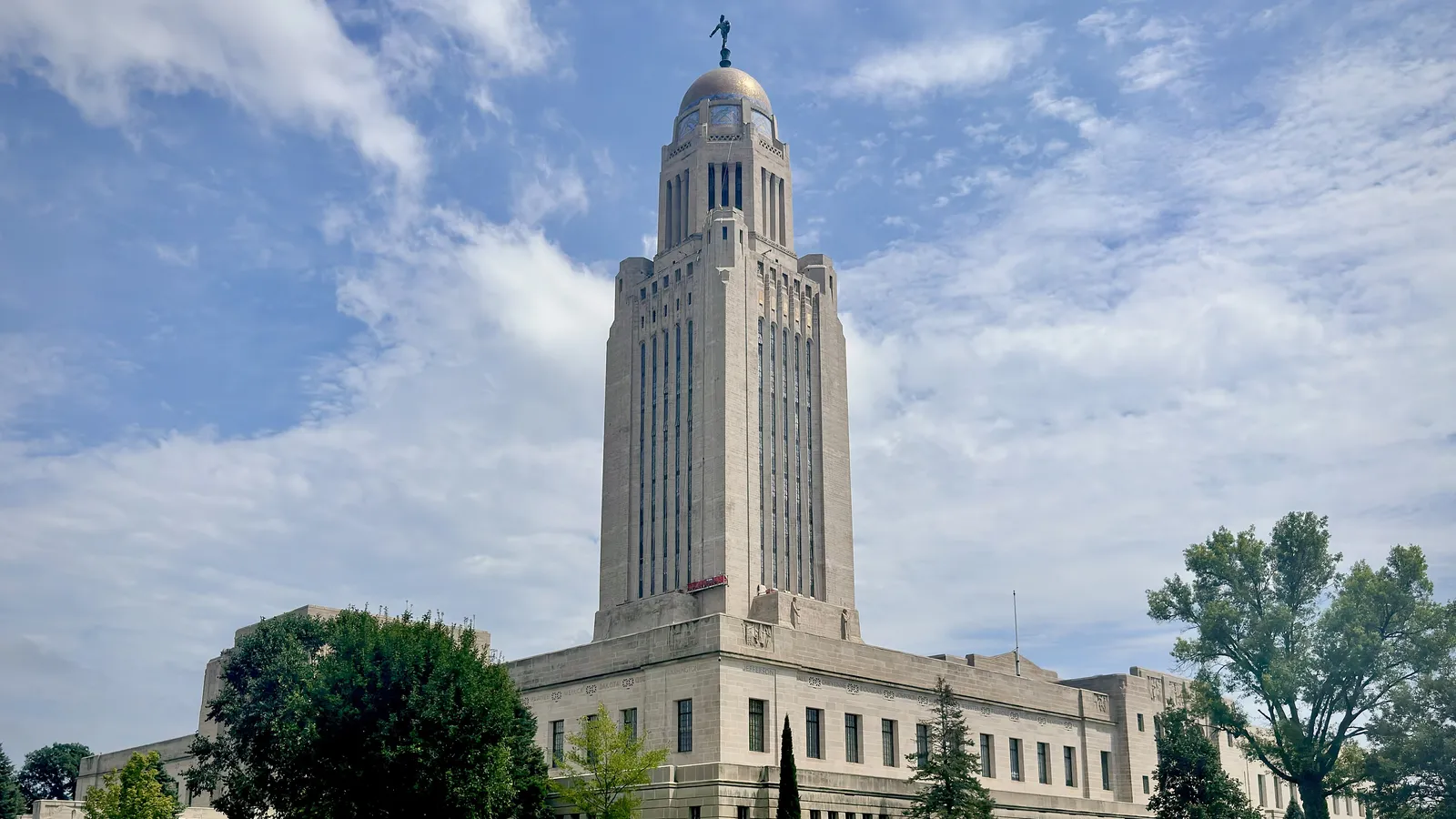
Nebraska Department of Economic Development opened its community comment window for OZ 2.0 tract nominations. The state has 174 eligible tracts and can nominate up to 44.
Virginia finished its public comment period on OZ 2.0 tract nominations. The state has 421 eligible tracts; final nominations of up to 105 will be submitted to Treasury during the governor window.
Delaware Small Business released a public interactive map showing all 61 eligible tracts and an online nomination form. Delaware becomes one of the first states with a fully public OZ 2.0 selection process.
Oregon's application window for cities, counties, ports, tribal governments, and EDOs runs April 13 to May 22, 2026. Up to 58 of 229 eligible tracts will be nominated.
Revenue Procedure 2026-14 provides states with the final framework for nominating census tracts under the One Big Beautiful Bill Act. Confirms 25,462 eligible tracts nationwide, including territories (8,334 entirely rural), 25% cap per state, and July 1 nomination window open.
Nebraska Department of Economic Development opens application window. Gov. Pillen: 'Opportunity Zones are powerful tools that help create jobs and growth in areas that need new investment.'
FloridaCommerce launches a statewide outreach tour to encourage communities to submit OZ 2.0 recommendations. 1,360 eligible tracts in Florida, 340 will be nominated.
Authoritative summary of OBBBA's changes to the Opportunity Zone program from Plante Moran's OZ specialists. Clarifies OZ 1.0 vs OZ 2.0 transition rules and December 31, 2026 deferred gain recognition.
Treasury and the IRS issued Notice 2025-50 on Sept. 30, 2025 (IR-2025-96). It defines "rural area" (any area other than a city or town with a population over 50,000 and any urbanized area contiguous and adjacent to such a city or town) and confirms that, effective July 4, 2025, property in a current (2018) Qualified Opportunity Zone comprised entirely of a rural area is substantially improved when additions to basis exceed 50% of its adjusted basis over the 30-month period, instead of 100%. The notice identifies 3,309 of the 2018 zones as entirely rural. It does not cover the new OZ 2.0 nomination round.