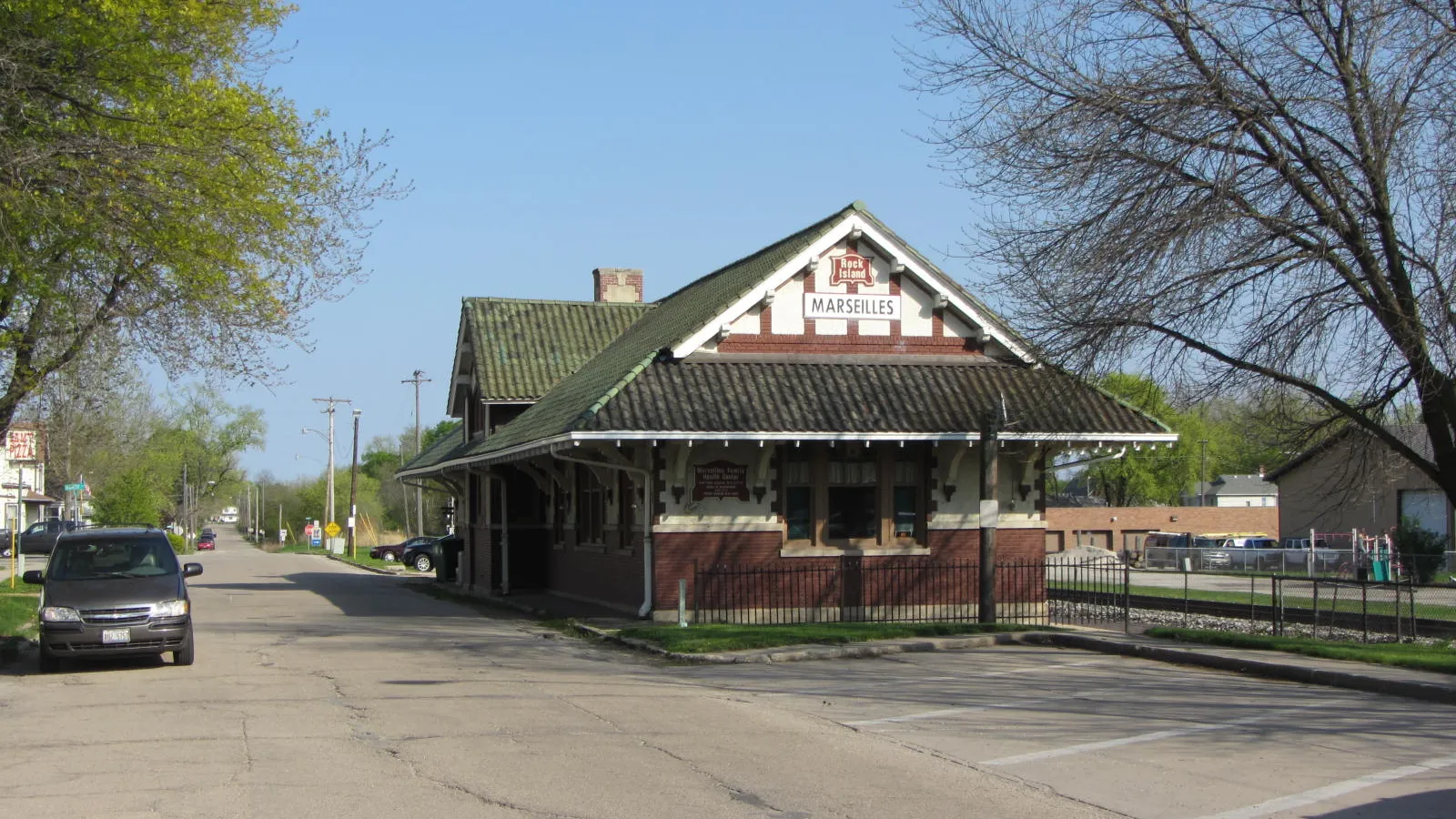
Marseilles, Illinois is seeking federal Opportunity Zone status for a corridor running from Bluff Street north to Interstate 55 and east of Rutland Street (Town Line Road), aiming to draw private investment and economic development to the LaSalle County city. The bid feeds Illinois' OZ 2.0 process: the state — which currently has 327 zones, 84 of them rural — is expected to nominate roughly 238 additional zones from about 950 eligible census tracts based on income and poverty data, ahead of the fall federal deadline.
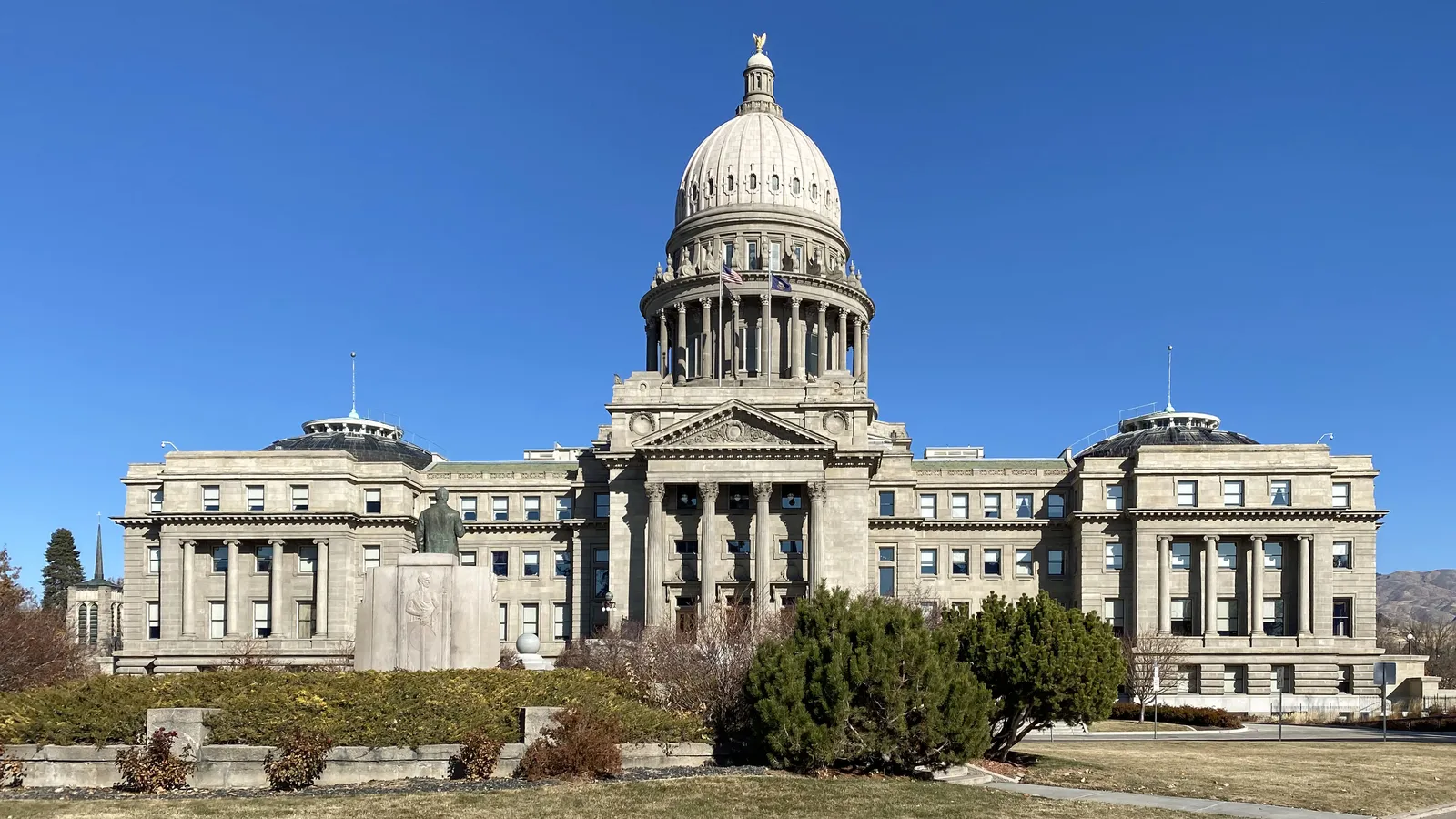
Idaho's Economic Advisory Council recommended 25 census tracts for Opportunity Zone 2.0 status out of 36 submitted by cities and counties, with the top three ranked tracts all in Boise. Update, Nov. 5, 2026: Treasury’s final list (sb0682) designates Idaho’s nominated tracts as QOZs effective January 1, 2027.
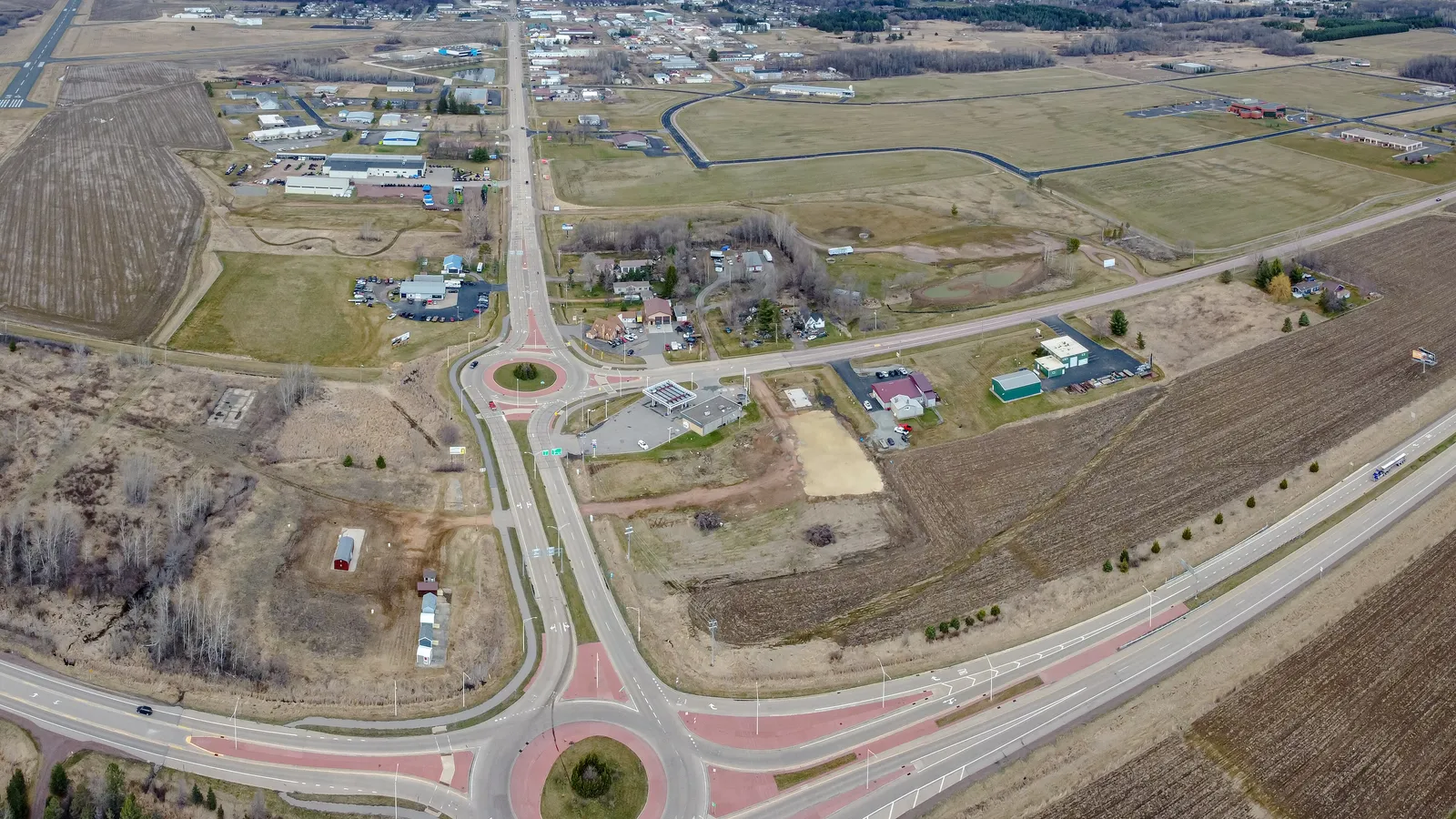
The Marshfield Common Council voted to apply for Opportunity Zone 2.0 status through Wisconsin's state process, targeting a district that follows the Central Avenue corridor from East Ives Street north to roughly East 14th Street. City Planner James Lieven said the zone status would use federal capital-gains incentives to draw private redevelopment investment to the qualifying low-income corridor. The application feeds Wisconsin's statewide nomination ahead of the fall federal deadline.
A new working paper from the Treasury Department's Office of Tax Analysis puts hard numbers on the Opportunity Zone program's first seven years: roughly $112 billion invested through about 12,800 Qualified Opportunity Funds, held by roughly 41,000 investors. The aggregate value of deferred capital gains stood at $75 billion at the end of 2024 — gains that become taxable when the OZ 1.0 deferral period ends December 31, 2026. Early investors who entered by the end of 2019 or 2021 also received a 15% or 10% basis step-up, softening their eventual bills. The report lands as pre-2027 investors weigh exits, reinvestment into new QOFs, and the transition rules in IRS Notice 2026-40.
Governor Albert Bryan Jr. announced the U.S. Virgin Islands nominated all 18 of its eligible census tracts for Qualified Opportunity Zone status, submitting them to the U.S. Treasury on July 24 — the first completed filing of the OZ 2.0 cycle we've tracked. Notably, the Bryan-Roach administration worked through the federal census boundary process to redraw tract lines so that strategically important areas on St. Croix's south shore — including the Renaissance industrial area and the former HOVENSA refinery property — fell within eligible tracts. Treasury now reviews the nominations ahead of the January 1, 2027 effective date.
A public comment period is open for six census tracts in the Cape Girardeau area — most within the city itself — that are eligible for federal Opportunity Zone status under OZ 2.0. Shad Burner, CEO of Southeast Missouri Regional Economic Development Inc. (SEMO REDI), noted the One Big Beautiful Bill Act lets states either renominate existing zones or apply for new ones this cycle. The tracts feed Missouri's statewide nomination process through the state Department of Economic Development ahead of the federal deadline.
A Bisnow analysis reports that more than half of U.S. states have finished soliciting public input on their Opportunity Zone 2.0 nominations — meaning communities and developers hoping to influence the 2027–2036 map are running out of time. Governors must submit their proposed maps to the U.S. Treasury by the late-September federal deadline, and many states front-loaded their comment windows before and just after the July 1 opening. The takeaway for investors and local officials: the next OZ map is being locked in now, state by state, months before the January 1, 2027 effective date.
The Commissioners of St. Mary's County, Maryland voted unanimously on July 21 to nominate census tracts covering portions of Great Mills Road and California (MD) for Opportunity Zone 2.0 status, following a recommendation presented by Deputy Director of Economic Development Kellie Hinkle. The county joins Charles County among Maryland jurisdictions advancing tracts; Maryland counties submit nominations through August 7, with the governor forwarding up to 113 tracts to Treasury by late September.
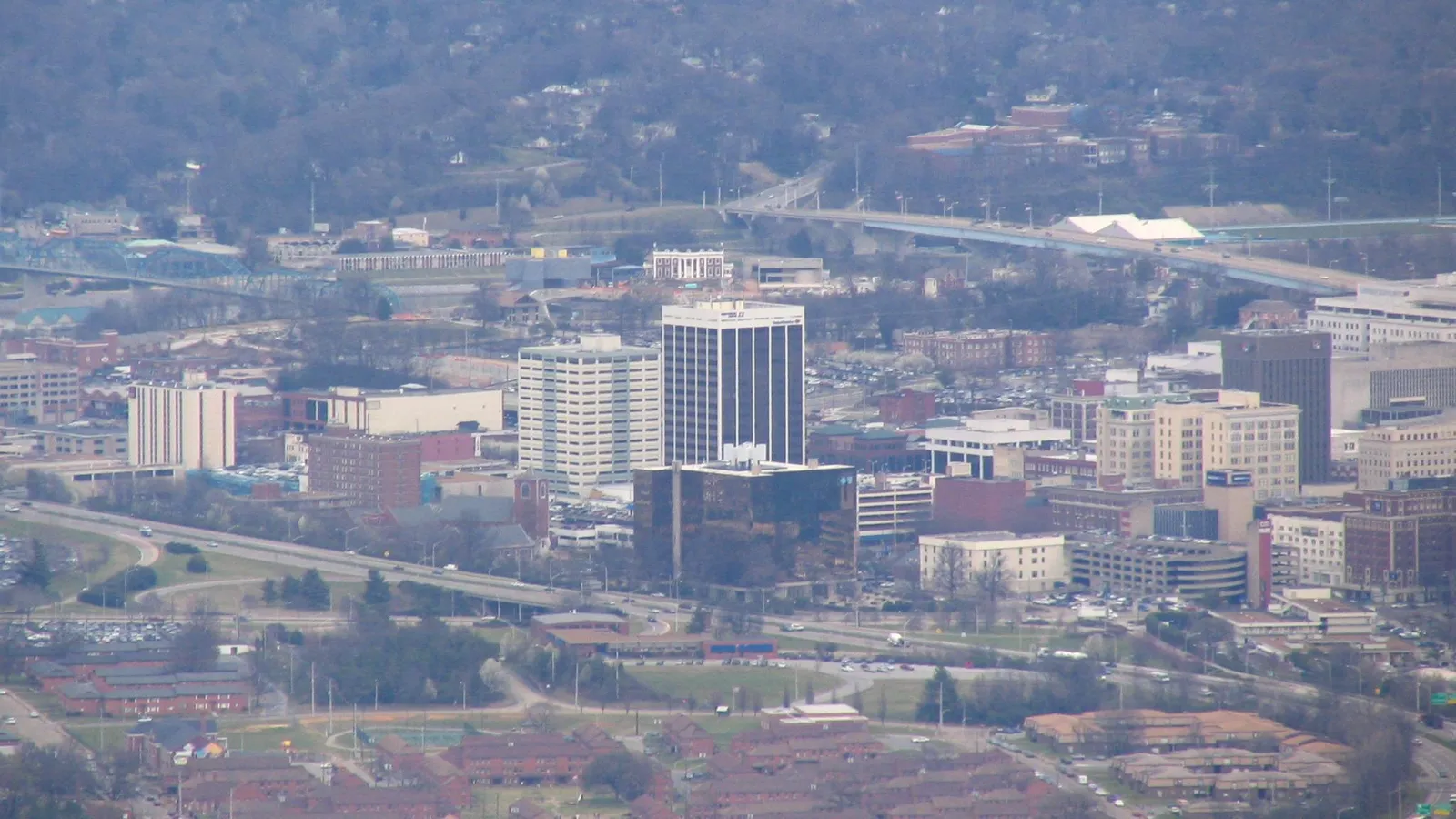
Hamilton County and Chattanooga leaders jointly unveiled a redevelopment plan for the Rossville Boulevard corridor built around putting three census tracts forward for Opportunity Zone 2.0, paired with a local incentive package for the stretch between Interstate 24 and the Georgia state line. County Mayor Weston Wamp framed the effort as 'restorative growth' — steering investment into already-served corridors rather than expanding into undeveloped land. Treasury's final list, published November 5, 2026, designates 128 Tennessee tracts as Opportunity Zones effective January 1, 2027.
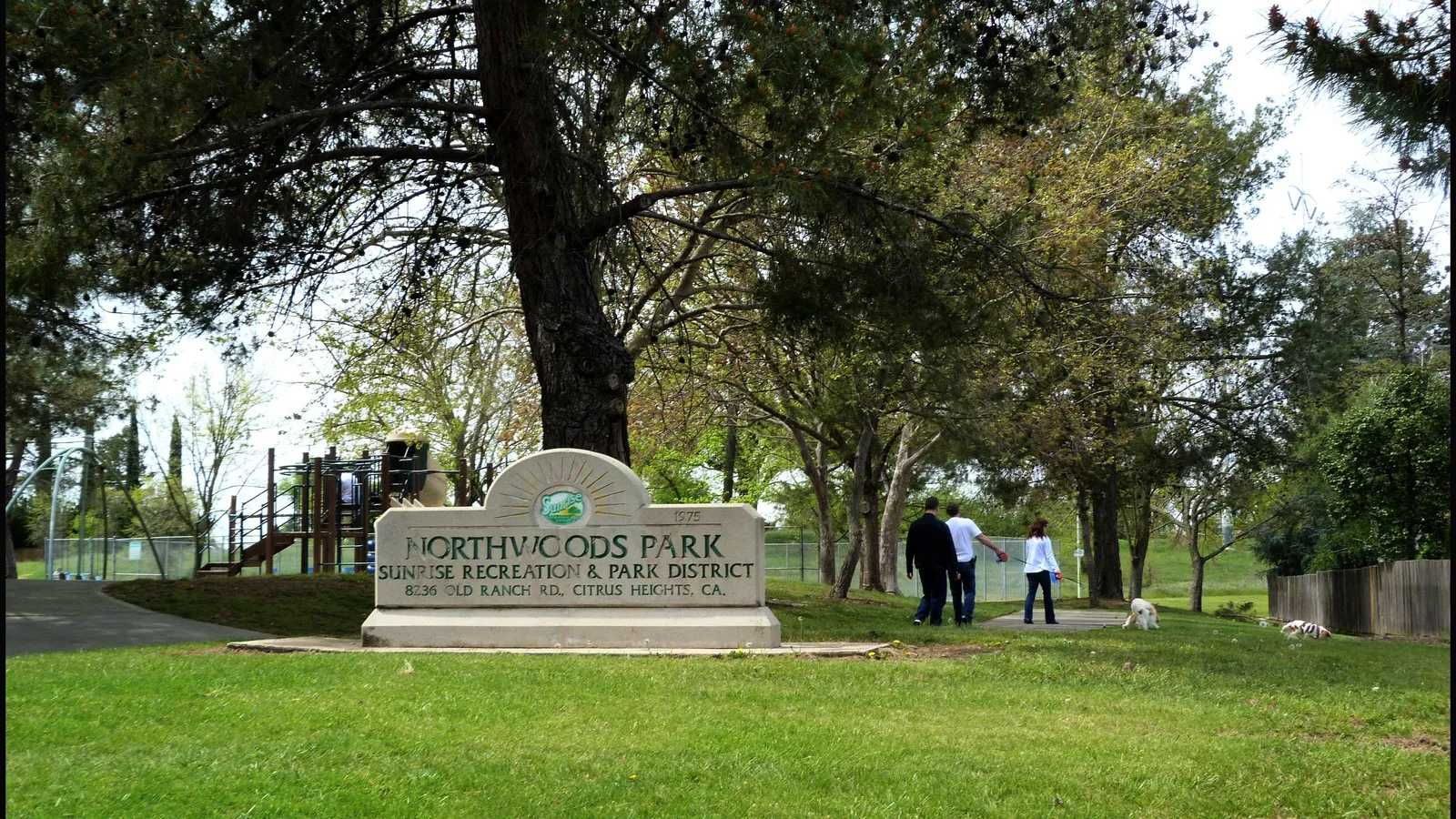
The Citrus Heights, California City Council unanimously passed a resolution nominating three eligible census tracts for Opportunity Zone 2.0 status, targeting the city's commercial cores. The tracts cover the Sunrise Mall area, the Stock Ranch commercial district (City Hall, Sam's Club, Safeway), and the Greenback Lane/Auburn Boulevard corridor. The nominations go to California's GO-Biz, which will decide which of the state's eligible tracts to forward to the U.S. Treasury for the final list, effective January 1, 2027.
Vermont's Agency of Commerce and Community Development has recommended 25 communities as Opportunity Zones for Governor Phil Scott's consideration, publishing a draft map after months of work with regional economic-development partners. The agency weighed traditional metrics — poverty and unemployment, population and jobs — plus overlap with existing infrastructure and state programs. Public input on the draft map is open through July 24; if the governor signs off, the recommendations go to the U.S. Treasury for Treasury's final list, effective January 1, 2027.
North Carolina is choosing among 807 eligible low-income census tracts for Opportunity Zone 2.0 status, with the state able to nominate up to 202. Governor Josh Stein directed the North Carolina Department of Commerce to gather public input on which tracts hold the most investment and economic-development potential, aligning the selection with his administration's push to expand housing and attract business. The state's recommendations feed the federal nomination process, with new zones taking effect January 1, 2027.
The Kern County Board of Supervisors voted 4-0 to forward 27 census tracts for Opportunity Zone 2.0 review — 15 in Bakersfield plus one each in Arvin, California City, Delano, McFarland, Ridgecrest, Shafter, and Wasco, and seven in unincorporated areas including Boron, Buttonwillow, Lamont, Mojave, Oildale, Rosamond, and the Taft-Maricopa region. The nominations head to California's GO-Biz and then to the federal government. The state will take public comment on all its nominations next month before forwarding recommendations to Treasury.
Kinect Real Estate Partners has launched the Gresham OZ Fund, a single-asset Qualified Opportunity Fund backing a transit-oriented multifamily development next to the Gresham Station light-rail stop east of Portland, Oregon. Unlike a blind-pool fund, investors commit to a specific, fully entitled project already under construction. Co-founder BJ Kuula framed it as extending a time-tested real estate strategy to the private-wealth channel. The launch follows Kinect Opportunity Fund II, which closed at $126.5 million in June 2026 — another sign of sponsors bringing shovel-ready OZ deals to market as the OZ 2.0 cycle opens.
An ArentFox Schiff alert lays out the estate-planning angle on Qualified Opportunity Zones after the One Big Beautiful Bill Act, noting that most QOZ estate-planning rules from the 2017 law carry over largely unchanged. It covers the treatment of QOF interests at death, planning with gifts and grantor trusts, and holding-period considerations for heirs, alongside the December 31, 2026 deferred-gain recognition date (measured against the lower of the deferred gain or the fund interest's fair market value). One permanent change: OBBBA locks in the 10% five-year basis step-up but eliminates the former additional 5% step-up, capping the in-hold basis benefit at 10%. The takeaway: OZ is now a durable estate-planning tool, but the mechanics require careful, ongoing tracking of QOF interests.
Bonaventure has broken ground on Attain at Newtown, an $85.3 million, 320-unit Class A multifamily development inside a federal Qualified Opportunity Zone in Norfolk, Virginia. The project is capitalized with Cafritz Asset Management, a private family office, plus long-term HUD Section 221(d)(4) financing originated by Greystone, with first units expected in Fall 2027. Bonaventure, which reports more than $2.9 billion in assets under management, is targeting a Hampton Roads submarket facing sustained housing-supply constraints. It is a concrete example of institutional OZ capital breaking ground as the OZ 2.0 cycle ramps.
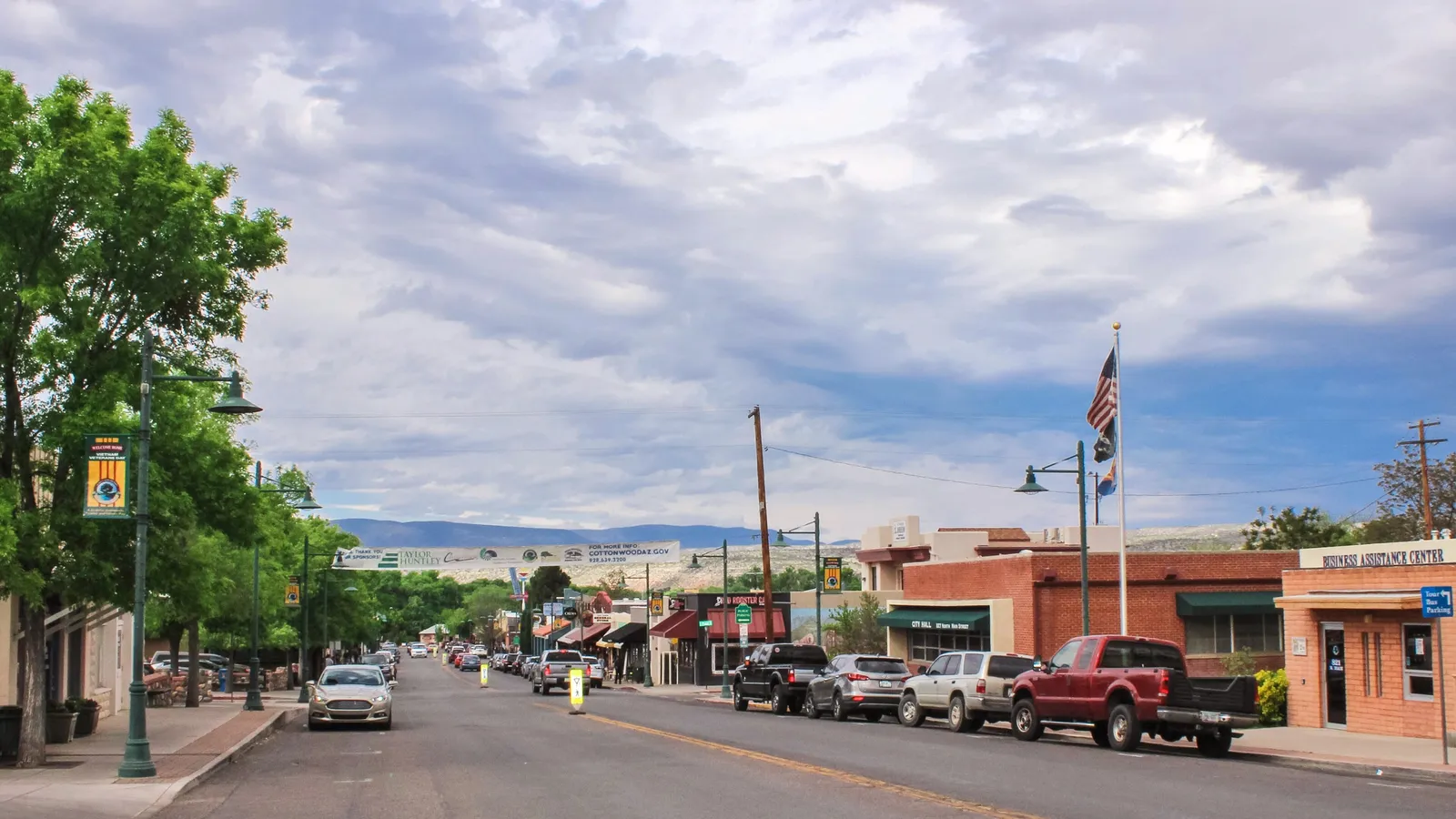
The Yavapai County Board of Supervisors voted 4-1 to recommend two Verde Valley census tracts for Opportunity Zone 2.0 status: one in Clarkdale (Census Tract 19.01) and one in Cottonwood (Tract 20.7) that edges into Clarkdale. The county is advancing the tracts to draw private, capital-gains-deferred investment into the area. Notably, a previously eligible Camp Verde tract no longer qualifies — rising incomes and property values pushed it above the federal low-income threshold, a reminder that OZ 2.0's tighter criteria are reshaping the eligibility map.
The Sonora City Council passed a resolution supporting federal Opportunity Zone status for Downtown Sonora, aiming to spur reinvestment in older building stock, adaptive reuse, housing near jobs, walkable mixed-use development, and historic-downtown revitalization. The resolution urges pairing the downtown tract with other eligible Tuolumne County rural tracts — including nearby Columbia — for a broader regional zone supporting housing, workforce development, tourism, and rural infrastructure. California, which currently has 879 Opportunity Zones (two in Tuolumne County), moved its local submission deadline up five days to July 20, 2026.
An Accounting Today analysis argues that advisors' long-standing 'hurry, the benefit ends in 2026' framing is now wrong. Under the One Big Beautiful Bill Act, Opportunity Zones are permanent, and December 31, 2026 is merely the mandatory deferred-gain inclusion date for many pre-OBBBA investors — not a program sunset. The piece flags the structural shifts: zones now run on recurring 10-year cycles (the first post-OBBBA round began July 1, 2026, effective through 2036); qualified rural opportunity funds carry an enhanced 30% basis step-up at five years versus the standard 10%; and post-2026 investments follow a rolling five-year deferral rather than the fixed 2026 date, with the 10-year fair-market-value step-up intact. The takeaway for advisors: treat OZ as an ongoing capital-gains planning regime, not a one-time, urgency-driven play.
Two impact-investment firms — Ellavoz Impact Capital and Allivate Impact Capital — announced a strategic partnership to originate and execute high-impact Opportunity Zone commercial real estate investments across the U.S., targeting market returns alongside measurable community impact. The tie-up combines Ellavoz's community-development and asset-management focus (with residential real estate activity in Florida and New Jersey) with Allivate's structured-capital approach that aligns private, public, and nonprofit money in underinvested markets. The firms say the aim is a differentiated pipeline of OZ deals in underserved, high-growth areas — a sign of institutional impact capital gearing up as the OZ 2.0 cycle opens.