The IRS has corrected the comment deadline on its proposed Opportunity Zone information-reporting regulations (REG-116506-25) from October 16 to October 26, 2026. The proposal, published September 11, would put into effect the new reporting rules Congress added for Qualified Opportunity Funds and Qualified Opportunity Zone Businesses in 2025. Funds would file an annual information return on Form 8996 and send statements to investors who dispose of their interests. Businesses would send statements to the funds that hold them, and penalties for late or incomplete fund returns run $500 a day. The proposal also lets a fund revoke a self-certification filed by mistake and sets out a formal way to voluntarily decertify. The November 5 telephone hearing is unchanged, and requests to speak are still due October 13.
As of September 10, 2026, governors have 18 days left before the federal Opportunity Zone 2.0 nomination window closes on September 28, 2026. Under IRS Revenue Procedure 2026-14, the 90-day determination period that opened July 1, 2026 ends that day; a single 30-day extension can push a state's outside filing date to October 28, 2026. Treasury treats nominations as received at the close of the period, so states can still revise slates until their window ends — but the calendar is now late-stage, not mid-window. Zones are expected to take effect January 1, 2027 after Treasury's final list (with consideration-period extensions, the latest map clarity can stretch toward late December 2026). This is a federal-clock urgency piece — not a new state filing count, and not a reprint of those Texas or New Jersey cards. OZ 2.0 investments on or after January 1, 2027 follow the rolling five-year deferral and 10% basis step-up (30% for qualified rural funds). (Updated October 1, 2026 to reflect Texas's current published list. Updated October 17, 2026: the 25% cap is 608 on Treasury's September 2026 count of 2,431 eligible Texas tracts, 605 on the original appendix count. Treasury's final list will settle the count.) (Update, Oct 18, 2026: Treasury's September 23 eligibility data lists 518 New Jersey tracts, so the cap under Rev. Proc. 2026-14 is 130.)
Texas Economic Development & Tourism, inside the Office of the Governor, submitted Opportunity Zone 2.0 nominations to the U.S. Treasury on September 4, 2026. EDT says local economic-development organizations and county judges fed the slate, scored on federal eligibility, local support, 24–48 month project viability, and geographic balance (including disaster-hit areas). New OZ 2.0 zones are set to take effect January 1, 2027 for a 10-year cycle, with Treasury's final list expected by November 28, 2026. OZ 1.0 tracts stay eligible through December 31, 2028. This is a statewide Treasury filing count — not Midland, Kemah, Presidio, or Camp Howze local cards, and not a final map. Texas's published list counts 608 unique tracts, the full 25% cap on Treasury's September 2026 count of 2,431 eligible Texas tracts (605 on the original appendix count); Treasury's final list will settle the count. (Updated October 1, 2026: this item originally reported the state's earlier figure of 605 tracts in 105 counties.)
Michael Cohn reports in Accounting Today that PwC's James Montague says OZ 1.0 investors heading into year-end are discovering incorrect, incomplete, or missing Opportunity Zone reporting forms — including investor Form 8997 and fund Form 8996 — with tax and financial-reporting consequences even when the investment otherwise met the statute. A July PwC comment letter to Treasury and the IRS warned that, under a straight-to-final regulation, a statutorily compliant investor can be forced to recognize the entire deferred gain solely because of a bad or missing reporting form, with only an amended return, an administrative adjustment request, or an undefined showing to the Commissioner as remedies. Montague also flags Notice 2026-40: to keep investing in OZ 1.0 tracts that are not finalized again under 2.0, funds must satisfy specified requirements by the end of 2026 or those zones are closed for new investment, earlier than the 2028 1.0 map sunset many sponsors expected. The rural 30% five-year step-up is all-or-nothing: a QOF must hold at least 90% of its investments in rural tracts to get 30%; otherwise the investor-level step-up is 10%. Governors' nomination window runs through September 28, 2026 (extension October 28, 2026 under IRS Rev. Proc. 2026-14); if every extension is used, Montague said the latest the new tract list could be known is December 28, 2026. OZ 2.0 investments on or after January 1, 2027 follow the rolling five-year deferral and 10% (30% rural) step-up. This is a 9/3 PwC/Accounting Today reporting-and-transition story, not the August 31 deferred-gain tax-bill item.
Jade Lozada reports for NOTUS that rural counties have seen far less Opportunity Zone capital than urban tracts, even as governors nominate the 2027 map. A June Treasury Office of Tax Analysis paper says the average rural zone attracted $7.3 million from 2018 to 2024 versus $23.3 million for the average nonrural zone; 16% of Opportunity Zone property was in rural areas even though rural tracts make up 38% of the 8,764 existing zones, with $112 billion invested using the incentive. Montgomery County, Illinois coordinator Mike Plunkett said he has had one inquiry; a rural Illinois treasurer told NOTUS they were unaware their county was in a zone. Forrest County, Mississippi planning director Corey Proctor said developers lack the information to use the incentive. OZ 2.0 investments on or after January 1, 2027 into a qualified rural Opportunity Fund can receive a 30% basis step-up after five years, versus 10% for a standard QOF. OBBBA also adds fund reporting on residential units and full-time workers plus $15 million for Treasury outcome reports. Governors still face the federal nomination window closing September 28, 2026 (one 30-day extension to October 28, 2026 under IRS Rev. Proc. 2026-14). This is rural 1.0 performance and the 2.0 rural bonus — not a state nomination slate.
Qualified Opportunity Funds tracked by Novogradac reported $264.0 million in new equity in the second quarter of 2026 — the second-lowest quarterly total since the firm began tracking the data. Novogradac said the slowdown was no surprise as investors wait on Opportunity Zone 2.0, which takes effect January 1, 2027, with a rolling five-year deferral and extra benefits for rural QOFs. Tracked QOFs have raised a cumulative $43.88 billion since 2017 (2,203 funds, of which 1,758 report a specific amount); first-half 2026 equity was $1.11 billion, the second-lowest first half since 2019. Novogradac expects activity to stay flat or fall further through the rest of 2026 before picking up in early 2027. Figures exclude proprietary funds owned by their principal investors; actual OZ investment is estimated at up to three times the tracked total. New QOF investments on or after January 1, 2027 follow OZ 2.0's rolling five-year deferral and 10% basis step-up (30% for qualified rural funds).
The Real Deal, citing the Wall Street Journal, reports that billions of dollars in capital gains deferred into Opportunity Zone 1.0 funds become taxable at the end of 2026. Treasury could see about $29 billion in additional tax revenue from the wave; more than $75 billion in gains had been deferred through 2024. The tax is tied to the original deferred gain, so an owner can owe even without selling the Opportunity Zone asset. Higher borrowing costs have made it harder to refinance projects to cover the bill, and funds are scrutinizing appraisals where property values have fallen below the original investment. Selling a loser can offset other gains but also walks away from the 10-year exclusion on the fund's own appreciation. This is the original program's December 31, 2026 recognition date — unchanged for OZ 1.0 investments — not the OZ 2.0 map. New QOF investments on or after January 1, 2027 follow OZ 2.0's rolling five-year deferral and 10% basis step-up (30% for qualified rural funds).
Alabama's Department of Economic and Community Affairs has been running an Opportunity Zone 2.0 nomination process that sat unpublished on our tracker. ADECA's official Opportunity Zones page — recrawled September 1, 2026 — says nomination forms and guidance are finalized and that qualifying tracts will go through a competitive selection process in the coming months. ADECA hosted a workshop on June 30, 2026 and told applicants to email completed packets to OpportunityZones@adeca.alabama.gov by July 31 at 12:00 p.m. There is no public web portal. As of this recrawl the ADECA page still uses future-tense "will have until July 31" language; the stated noon deadline has passed, no extension is announced, and no results slate has been published. ADECA says it will select 141 census tracts, compared with 158 Opportunity Zones on the 2018 map. Alabama has 563 eligible tracts under the 25% federal cap. Governor Kay Ivey still faces the Treasury window closing September 28, 2026 (one 30-day extension to October 28, 2026 under IRS Rev. Proc. 2026-14). Zones take effect January 1, 2027.
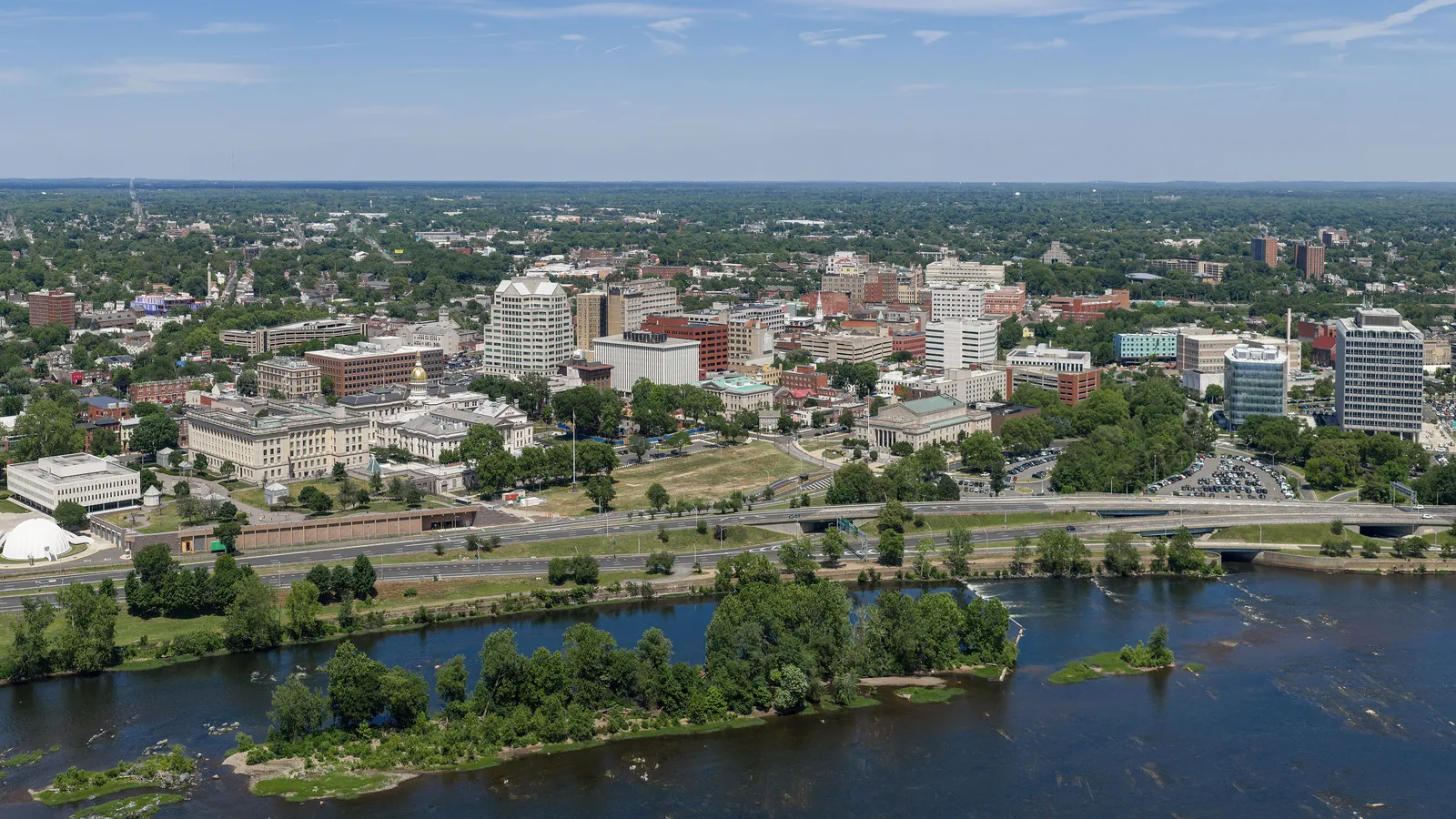
New Jersey's Department of Community Affairs has restamped its Opportunity Zones page: "The stakeholder recommendation period for Opportunity Zone 2.0 closed at 11:59 p.m. on August 28, 2026. DCA is no longer accepting recommendations." Filings already received will be reviewed with technical analysis as part of Governor Mikie Sherrill's nomination process. New Jersey has 516 eligible census tracts and may nominate up to 129 — eligibility and cap, not a final slate; no results have been published. California's GO-Biz page still carries a "Public Comment Period is now open" banner, but the stated deadline was August 28, 2026 at 11:59 p.m. and the same page says submissions will not be accepted after that deadline. No extension is announced, and no California results slate has been published. California has 2,469 eligible tracts and may nominate up to 618. Both governors still face the federal Treasury window closing September 28, 2026 (one 30-day extension to October 28, 2026 under IRS Rev. Proc. 2026-14). Zones take effect January 1, 2027. (Update, Oct 18, 2026: Treasury's September 23 eligibility data lists 518 New Jersey tracts, so the cap under Rev. Proc. 2026-14 is 130.)
Subtext has acquired 565 S. Limestone in Lexington for EVER Lexington, a 520-bed student housing community serving the University of Kentucky. REBusinessOnline reports the project sits inside a qualified opportunity zone and is being developed with FrontRange Capital and Larson Capital Management. Construction is set to begin imminently, with completion scheduled for summer 2028. The community will have 149 units in one- through four-bedroom layouts, plus a two-story lobby, study mezzanine, fitness center, wellness suite, pool deck, fitness studio, cold room, sauna, and an outdoor bar and lounge. Southern Building Group, KTGY, ESG, EA Partners, Schultz Burman Engineering, and UMB are on the development team. This is an OZ 1.0-sited deal, not a Kentucky OZ 2.0 nomination; Kentucky Treasury published the final OZ 2.0 list on Nov. 5, 2026 (sb0682), effective January 1, 2027.0 process.
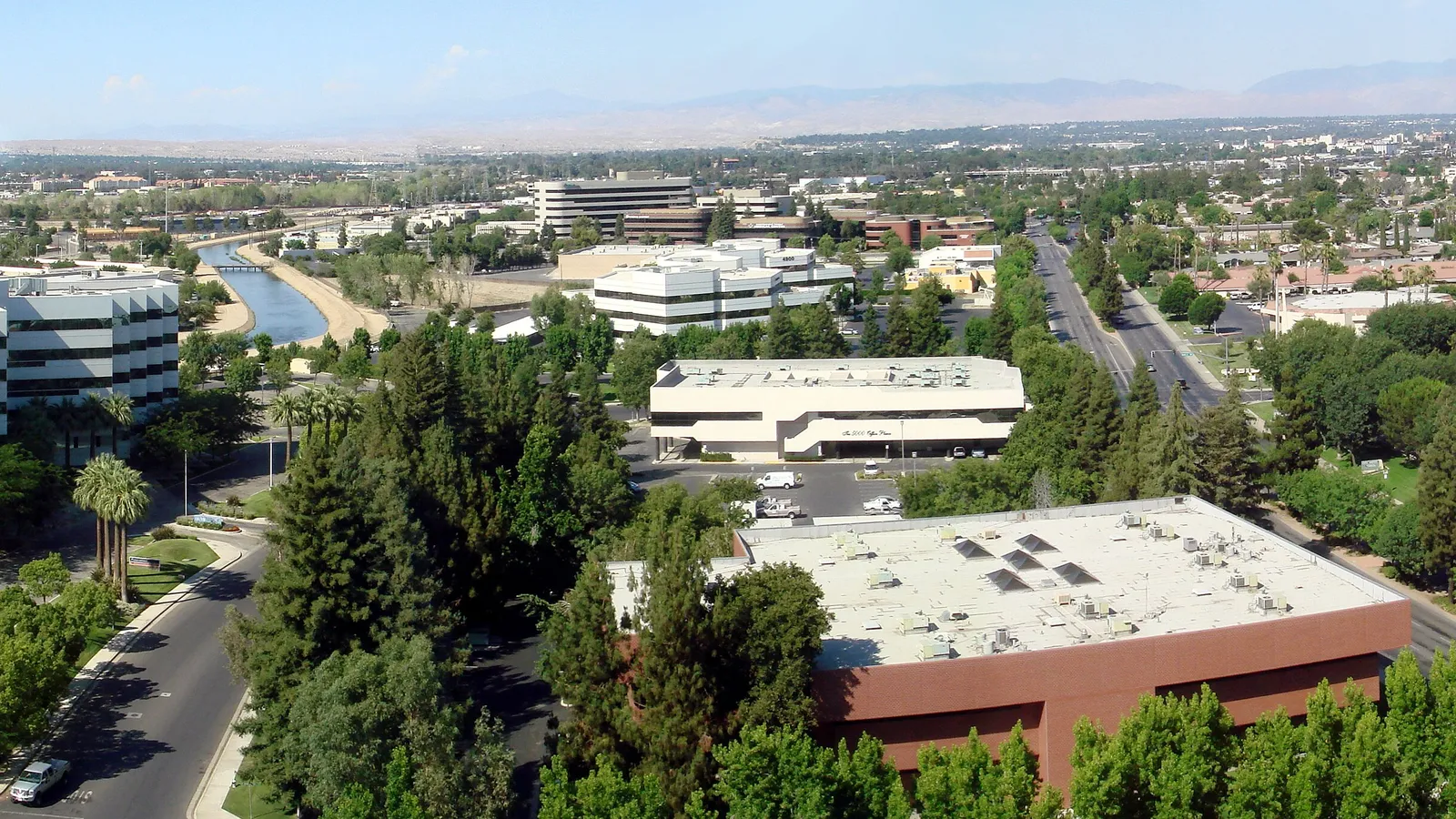
With California's draft-list public comment period closing August 28 at 11:59 p.m., Bakersfield City Manager Christian Clegg sent GO-Biz a letter — postdated to that Friday — asking the state to reverse course on five local census tracts. Kern County's board had forwarded 27 suggestions on July 14; GO-Biz's draft cut about three-quarters of those local picks and added 12 tracts that did not originate locally. Clegg's five: downtown Bakersfield, two tracts around Dr. Martin Luther King Jr. Boulevard, southeast Bakersfield, and the area around Bakersfield Municipal Airport along South Union Avenue. He argues those sites have development momentum the draft's substitutes (including East Beale and Benton Park) do not. The Greater Bakersfield Chamber is asking regional partners to file comments before the deadline. Incomplete or late comments will not be accepted.
As Pennsylvania's OZ 2.0 map is finalized, Bisnow's August 25 look at Philadelphia's first-round multifamily deals is mixed. Alterra's 426-unit LVL North was 95 percent leased in April but short of original rent and occupancy projections, with a $140 million refinancing pursued to reach the 10-year hold. MM Partners' Civic (Fairmount) and Poth Brewery (Brewerytown) adaptive-reuse projects both entered CMBS special servicing. Linden Lane's Hannah is 97 percent leased; Via, delivered in March, was 60 percent leased and offering two months free on a 14-month lease. Managing principal Michael Wachs called the original underwriting 'a little bit of overexuberance.' Arctaris's Andrew Gibbs said many of those deals now pencil as naturally affordable at 60–80 percent AMI. The census tract holding Linden Lane's projects has grown too wealthy to be eligible for OZ 2.0.
The Government Accountability Office told Congress on August 24 that the effects of the original Opportunity Zone tax incentive on poverty, income, and unemployment remain mostly unknown, even though IRS data show Qualified Opportunity Funds held more than $108 billion in assets at the end of 2024. GAO surveyed all 50 states, D.C., and five U.S. territories and found officials largely unsure what local communities gained; about 20 percent cited increased job creation and housing. The watchdog's report — Opportunity Zones: Effects of Original Tax Incentive Mostly Unknown and Revised Incentive May Offer Improvements — blames the original statute's lack of public reporting by funds. It says OBBBA's new annual fund reporting and five-year Treasury outcome reports may close the gap just as governors finish OZ 2.0 maps.
Massachusetts's Opportunity Zone page still said the selection process hadn't been published. It has. The Executive Office of Economic Development is running the 2026 nomination round for Governor Maura Healey: 410 census tracts qualify under OBBBA's tightened income tests, and the Commonwealth may nominate about 103 of them — down from 138 OZ 1.0 zones across 79 municipalities in 2018. The administration says it is engaging those municipalities and is targeting an early-September submission to Treasury, ahead of the September 28 federal deadline. Investors, developers, community organizations, and anyone else can still file through the state's Community Feedback Form; MassGIS published an interactive map of eligible tracts, and EOED posted a downloadable 2026 eligible-tract list. No form-close date is on the state page. New zones take effect January 1, 2027.
With governors racing to file Opportunity Zone 2.0 maps by September 28, Brett Theodos and Brady Meixell of the Urban Institute told the National League of Cities that municipalities should stop treating zone status as a prize for either the hottest neighborhood or the most distressed one. Using Ohio — the only state with public OZ investment data — they note that only one in three of the state's 328 OZ 1.0 tracts saw a dollar of investment from 2020–2024, and half of all investment went to just nine tracts. The 'Goldilocks' tracts are places that both need capital and can plausibly attract it once the incentive is attached. Local leaders still have a seat: some states are formally asking municipalities to recommend tracts; elsewhere, city staff can lobby the governor's office with ACS socioeconomic trends plus a parcel-level pipeline of actually developable sites. The incentive is as-of-right inside an Opportunity Zone tract, so the land-use mix of the chosen census tracts is the lever localities actually control.
Inland Real Estate Investment Corporation said its Office Conversion Opportunity Zone, LLC — a vehicle structured as a Qualified Opportunity Fund — has completed an approximately $28 million equity raise and is fully subscribed. The fund holds about 89 percent of a 16-story building at 386 Wabasha Street North in downtown St. Paul, inside a current qualified opportunity zone, and is converting the underused office tower into 178 apartments plus about 2,338 square feet of street-level retail. The community will be called The Stella. Inland is partnering with Kaeding Development Group (development), Ron Clark Construction & Design (general contractor), and Bader Management (property manager); the raise is Inland's sixth project with Kaeding. CEO Matthew Fries framed the conversion as a response to softening office demand and downtown St. Paul's housing need. The project also uses historic tax credits. The building sits on the Saint Paul skyway and near light rail and Union Depot.
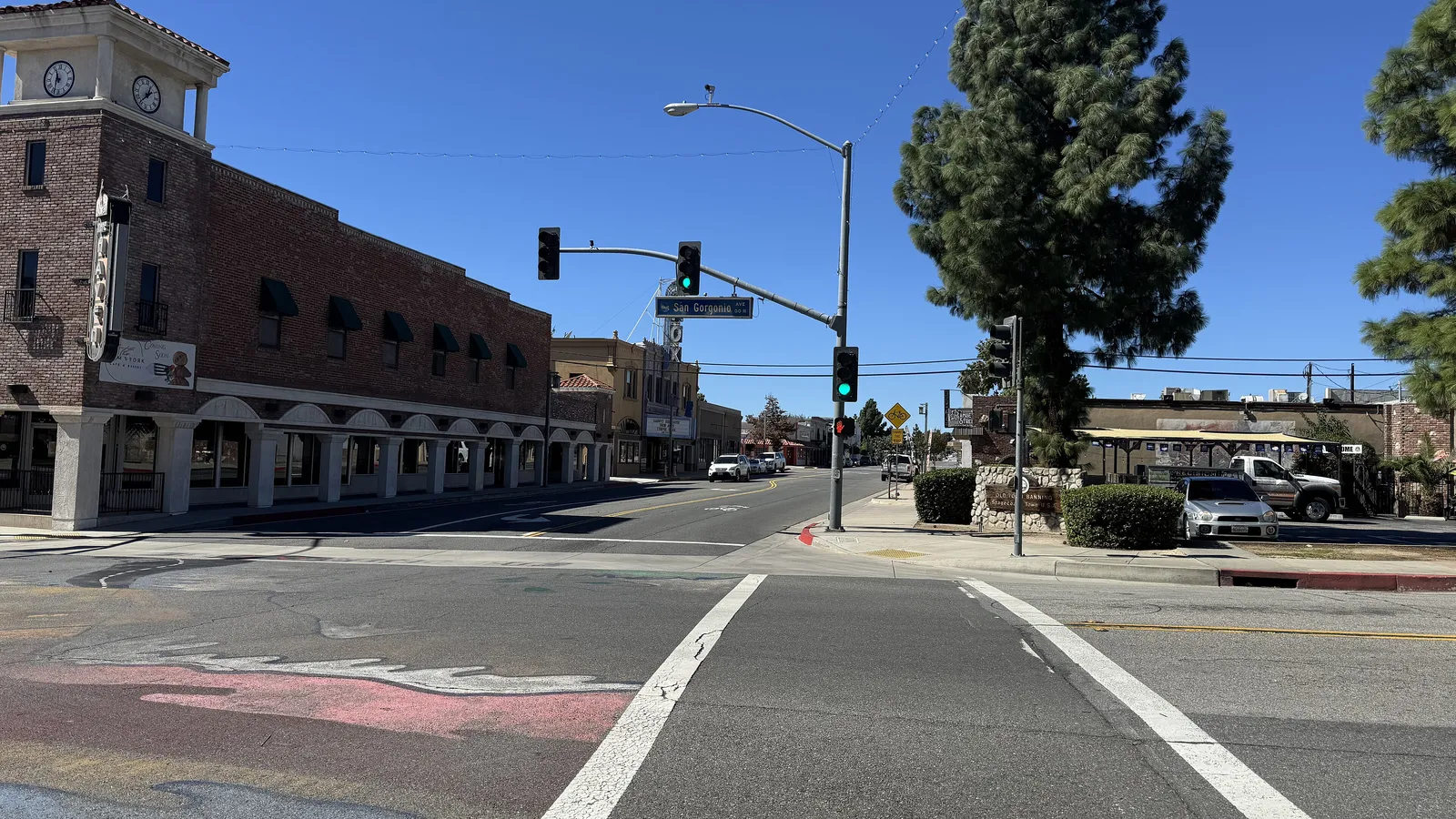
The City of Banning submitted five eligible census tracts to California’s Governor’s Office of Business and Economic Development for Opportunity Zone 2.0 consideration, filing July 1 — nearly three weeks ahead of the state’s July 20 local deadline — after its economic development committee reviewed the recommended tracts on June 25. Economic Development Manager Marisel Lopez put the stakes plainly for the Riverside County city: “We have not been awarded anything,” she said, calling the list a recommendation, not a final decision. That caution is well placed. GO-Biz has already shown it will cut local requests — it trimmed roughly three-quarters of neighboring Kern County’s 27 submissions from its draft list — and California has room for only about 618 nominations out of 2,469 eligible tracts under the 25% cap. The state’s draft list carries a public comment period running August 3–28, with final recommendations due to the U.S. Treasury by September 28 and any zones taking effect January 1, 2027.
Governor Bill Lee hosted HUD Secretary Scott Turner in Nashville to discuss “the future of Opportunity Zones in Tennessee,” the governor said, crediting the incentive with helping “unlock investment, create jobs & expand opportunity” across the state and pledging to keep working alongside HUD. The meeting lands mid-decision for Tennessee: 507 of the state’s census tracts clear the statutory income and poverty thresholds, and under the 25% federal cap the governor may nominate roughly 127 of them before the September 28 deadline, with zones effective January 1, 2027. Turner chaired the White House Opportunity and Revitalization Council during the first Trump administration, making him the administration’s most closely identified official with the program — and his presence as a governor finalizes a slate is a signal of how much federal attention the second nomination round is drawing. Tennessee Economic and Community Development is running the state’s process; local nominations have already surfaced in Hamilton County, where Chattanooga officials pushed three Rossville Boulevard tracts with a local incentive package attached.
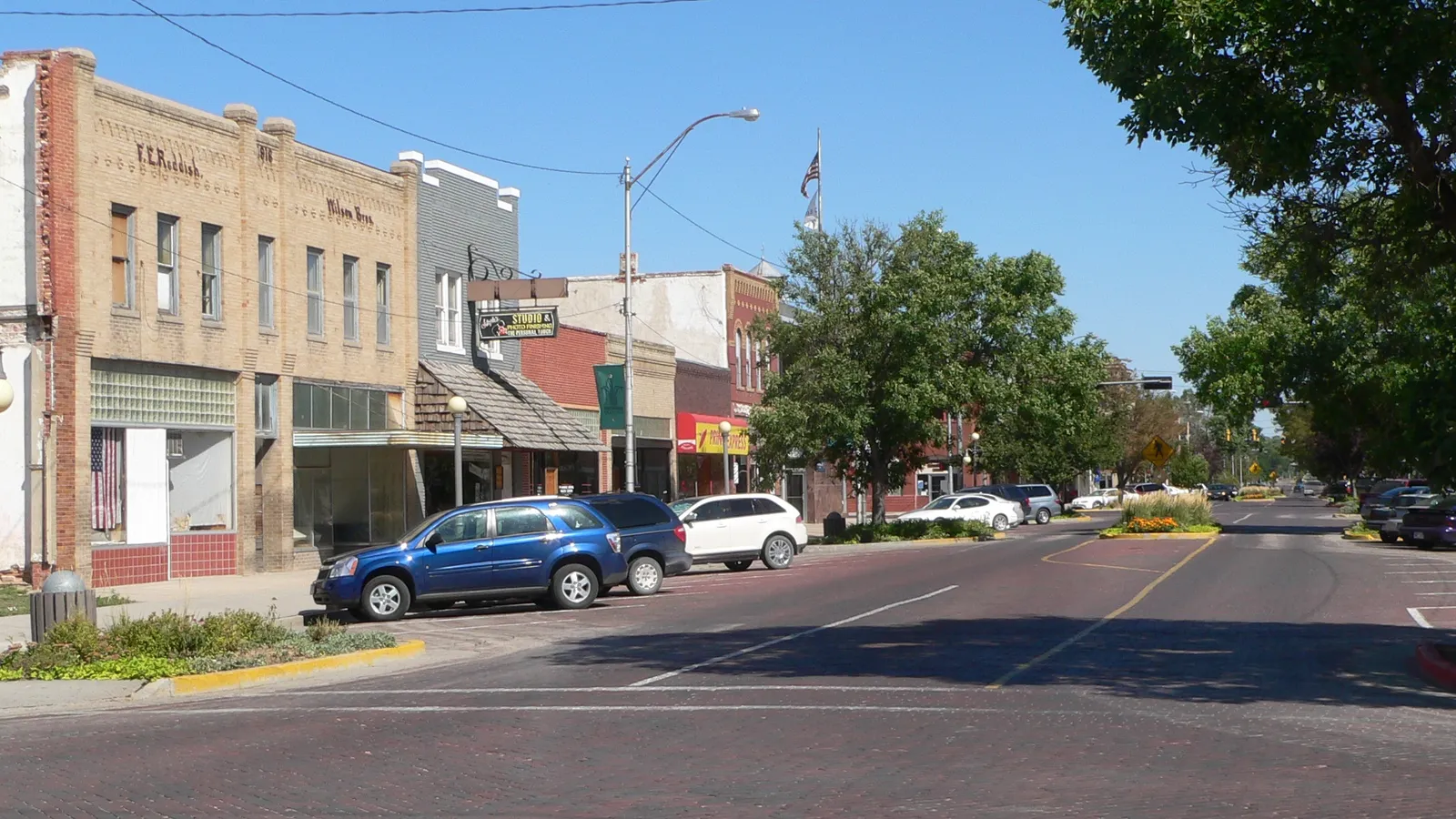
The City of Alliance is among the 28 census tracts Governor Jim Pillen nominated statewide for Qualified Opportunity Zone status — a selection local officials say could open the door to private investment in housing, industrial development, retail, medical facilities, and redevelopment now that Treasury has designated (<a href="https://home.treasury.gov/news/press-releases/sb0682" target="_blank" rel="noopener nofollow">Treasury sb0682</a>, effective January 1, 2027) them. Alliance joins Scottsbluff, Lexington, and Omaha's ten tracts on Nebraska's slate, one of the first fully public state lists of the OZ 2.0 cycle; Treasury's November 5 final list designates the tracts, effective January 1, 2027.
ATTOM's Q2 2026 Opportunity Zones report finds median home prices grew year-over-year in just 46.3% of the 4,183 OZ census tracts analyzed — versus 49.8% of tracts outside the zones, which were also likelier to post double-digit gains. The property-data firm's quarterly series is one of the few consistent measures of housing performance inside the 2018 map, and this quarter's read lands as governors finalize the 2027–2036 replacement map: a reminder that zone status alone doesn't move prices, and that tract selection — the fight playing out state by state right now — determines which communities actually see investment.