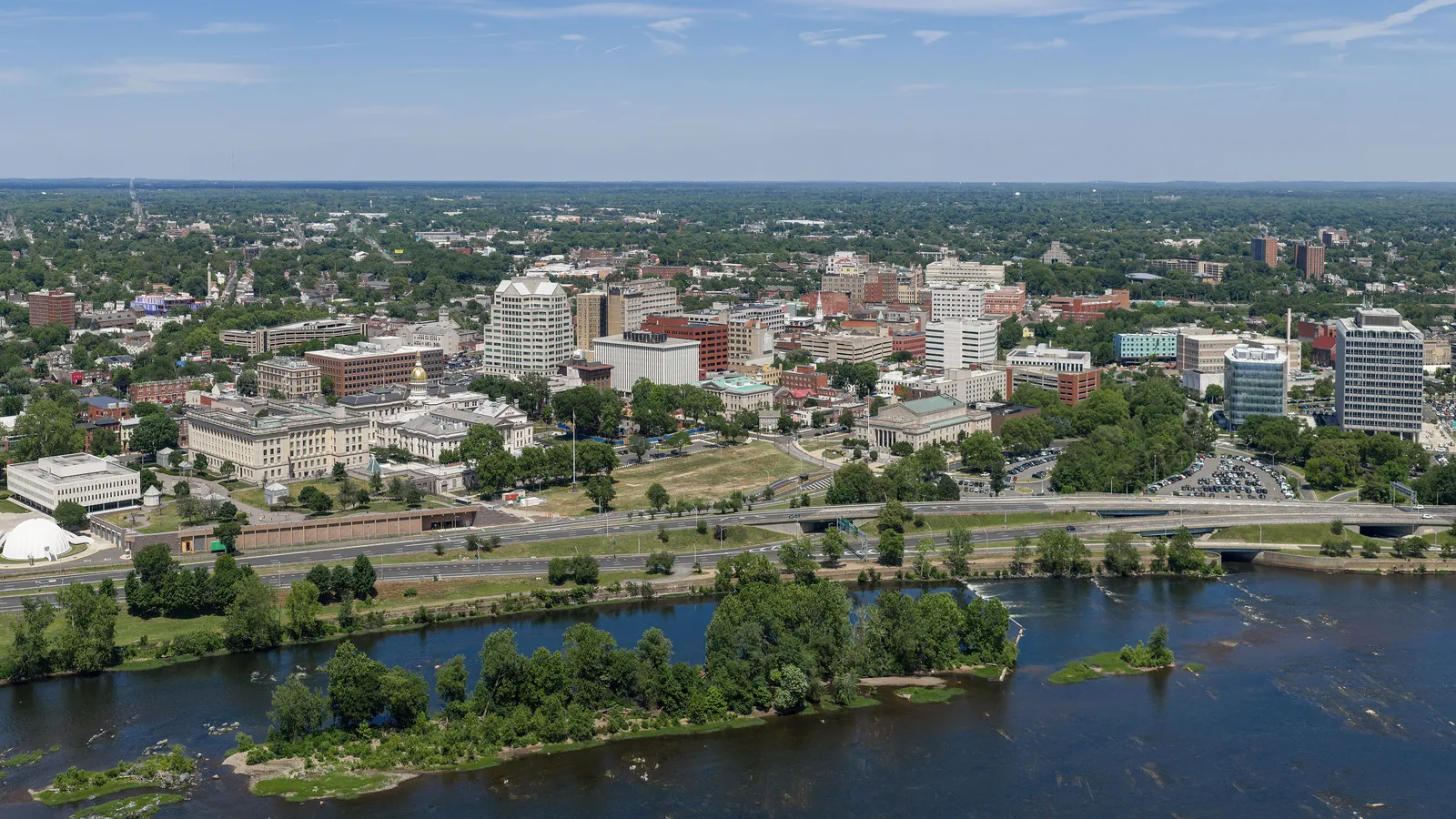
New Jersey's Department of Community Affairs has restamped its Opportunity Zones page: "The stakeholder recommendation period for Opportunity Zone 2.0 closed at 11:59 p.m. on August 28, 2026. DCA is no longer accepting recommendations." Filings already received will be reviewed with technical analysis as part of Governor Mikie Sherrill's nomination process. New Jersey has 516 eligible census tracts and may nominate up to 129 — eligibility and cap, not a final slate; no results have been published. California's GO-Biz page still carries a "Public Comment Period is now open" banner, but the stated deadline was August 28, 2026 at 11:59 p.m. and the same page says submissions will not be accepted after that deadline. No extension is announced, and no California results slate has been published. California has 2,469 eligible tracts and may nominate up to 618. Both governors still face the federal Treasury window closing September 28, 2026 (one 30-day extension to October 28, 2026 under IRS Rev. Proc. 2026-14). Zones take effect January 1, 2027. (Update, Oct 18, 2026: Treasury's September 23 eligibility data lists 518 New Jersey tracts, so the cap under Rev. Proc. 2026-14 is 130.)
Subtext has acquired 565 S. Limestone in Lexington for EVER Lexington, a 520-bed student housing community serving the University of Kentucky. REBusinessOnline reports the project sits inside a qualified opportunity zone and is being developed with FrontRange Capital and Larson Capital Management. Construction is set to begin imminently, with completion scheduled for summer 2028. The community will have 149 units in one- through four-bedroom layouts, plus a two-story lobby, study mezzanine, fitness center, wellness suite, pool deck, fitness studio, cold room, sauna, and an outdoor bar and lounge. Southern Building Group, KTGY, ESG, EA Partners, Schultz Burman Engineering, and UMB are on the development team. This is an OZ 1.0-sited deal, not a Kentucky OZ 2.0 nomination.
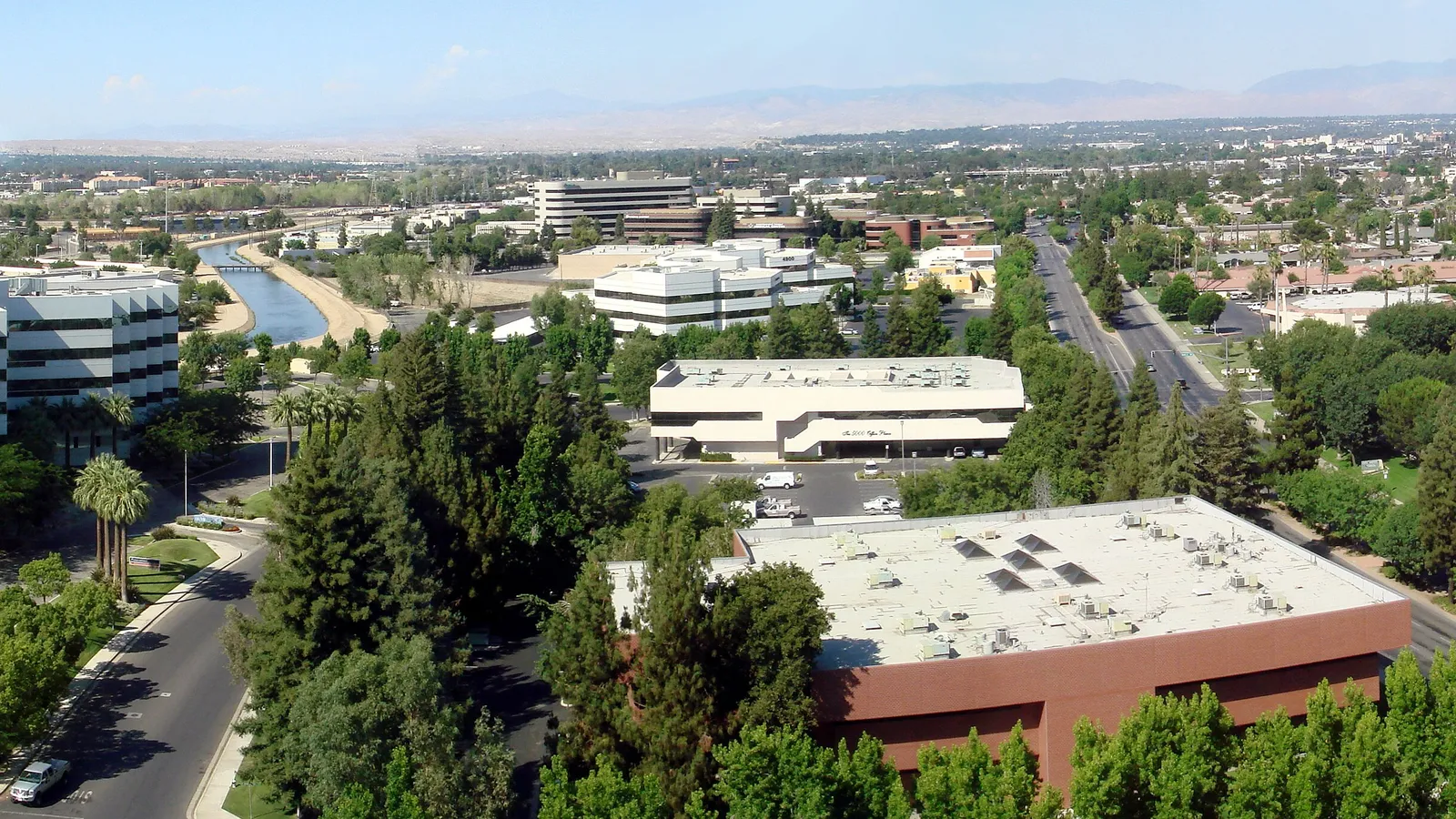
With California's draft-list public comment period closing August 28 at 11:59 p.m., Bakersfield City Manager Christian Clegg sent GO-Biz a letter — postdated to that Friday — asking the state to reverse course on five local census tracts. Kern County's board had forwarded 27 suggestions on July 14; GO-Biz's draft cut about three-quarters of those local picks and added 12 tracts that did not originate locally. Clegg's five: downtown Bakersfield, two tracts around Dr. Martin Luther King Jr. Boulevard, southeast Bakersfield, and the area around Bakersfield Municipal Airport along South Union Avenue. He argues those sites have development momentum the draft's substitutes (including East Beale and Benton Park) do not. The Greater Bakersfield Chamber is asking regional partners to file comments before the deadline. Incomplete or late comments will not be accepted.
As Pennsylvania's OZ 2.0 map is finalized, Bisnow's August 25 look at Philadelphia's first-round multifamily deals is mixed. Alterra's 426-unit LVL North was 95 percent leased in April but short of original rent and occupancy projections, with a $140 million refinancing pursued to reach the 10-year hold. MM Partners' Civic (Fairmount) and Poth Brewery (Brewerytown) adaptive-reuse projects both entered CMBS special servicing. Linden Lane's Hannah is 97 percent leased; Via, delivered in March, was 60 percent leased and offering two months free on a 14-month lease. Managing principal Michael Wachs called the original underwriting 'a little bit of overexuberance.' Arctaris's Andrew Gibbs said many of those deals now pencil as naturally affordable at 60–80 percent AMI. The census tract holding Linden Lane's projects has grown too wealthy to be eligible for OZ 2.0.
The Government Accountability Office told Congress on August 24 that the effects of the original Opportunity Zone tax incentive on poverty, income, and unemployment remain mostly unknown, even though IRS data show Qualified Opportunity Funds held more than $108 billion in assets at the end of 2024. GAO surveyed all 50 states, D.C., and five U.S. territories and found officials largely unsure what local communities gained; about 20 percent cited increased job creation and housing. The watchdog's report — Opportunity Zones: Effects of Original Tax Incentive Mostly Unknown and Revised Incentive May Offer Improvements — blames the original statute's lack of public reporting by funds. It says OBBBA's new annual fund reporting and five-year Treasury outcome reports may close the gap just as governors finish OZ 2.0 maps.
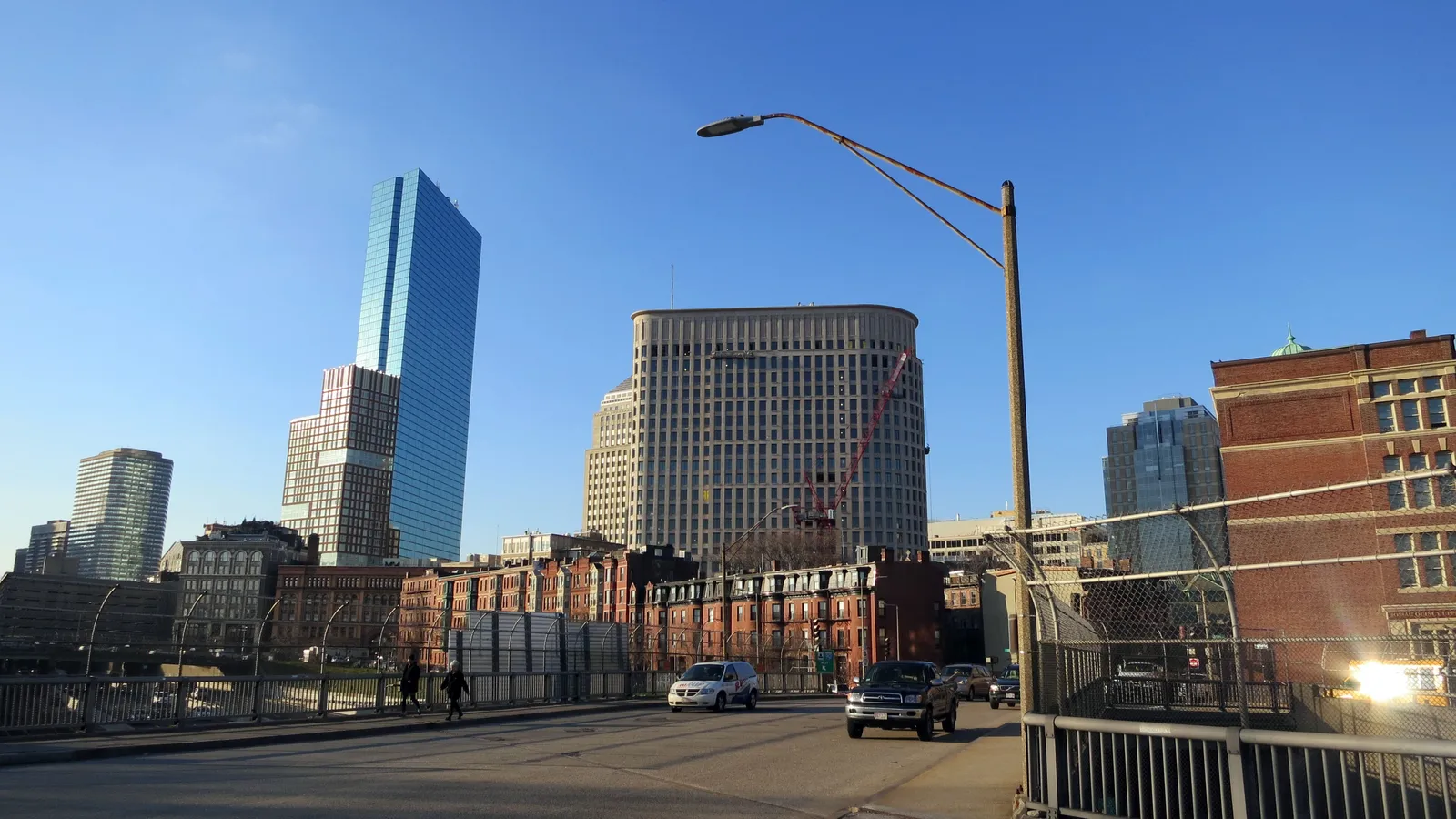
Massachusetts's Opportunity Zone page still said the selection process hadn't been published. It has. The Executive Office of Economic Development is running the 2026 nomination round for Governor Maura Healey: 410 census tracts qualify under OBBBA's tightened income tests, and the Commonwealth may nominate about 103 of them — down from 138 OZ 1.0 zones across 79 municipalities in 2018. The administration says it is engaging those municipalities and is targeting an early-September submission to Treasury, ahead of the September 28 federal deadline. Investors, developers, community organizations, and anyone else can still file through the state's Community Feedback Form; MassGIS published an interactive map of eligible tracts, and EOED posted a downloadable 2026 eligible-tract list. No form-close date is on the state page. New zones take effect January 1, 2027.
With governors racing to file Opportunity Zone 2.0 maps by September 28, Brett Theodos and Brady Meixell of the Urban Institute told the National League of Cities that municipalities should stop treating zone status as a prize for either the hottest neighborhood or the most distressed one. Using Ohio — the only state with public OZ investment data — they note that only one in three of the state's 328 OZ 1.0 tracts saw a dollar of investment from 2020–2024, and half of all investment went to just nine tracts. The 'Goldilocks' tracts are places that both need capital and can plausibly attract it once the incentive is attached. Local leaders still have a seat: some states are formally asking municipalities to recommend tracts; elsewhere, city staff can lobby the governor's office with ACS socioeconomic trends plus a parcel-level pipeline of actually developable sites. The incentive is as-of-right inside an Opportunity Zone tract, so the land-use mix of the chosen census tracts is the lever localities actually control.
Inland Real Estate Investment Corporation said its Office Conversion Opportunity Zone, LLC — a vehicle structured as a Qualified Opportunity Fund — has completed an approximately $28 million equity raise and is fully subscribed. The fund holds about 89 percent of a 16-story building at 386 Wabasha Street North in downtown St. Paul, inside a current qualified opportunity zone, and is converting the underused office tower into 178 apartments plus about 2,338 square feet of street-level retail. The community will be called The Stella. Inland is partnering with Kaeding Development Group (development), Ron Clark Construction & Design (general contractor), and Bader Management (property manager); the raise is Inland's sixth project with Kaeding. CEO Matthew Fries framed the conversion as a response to softening office demand and downtown St. Paul's housing need. The project also uses historic tax credits. The building sits on the Saint Paul skyway and near light rail and Union Depot.
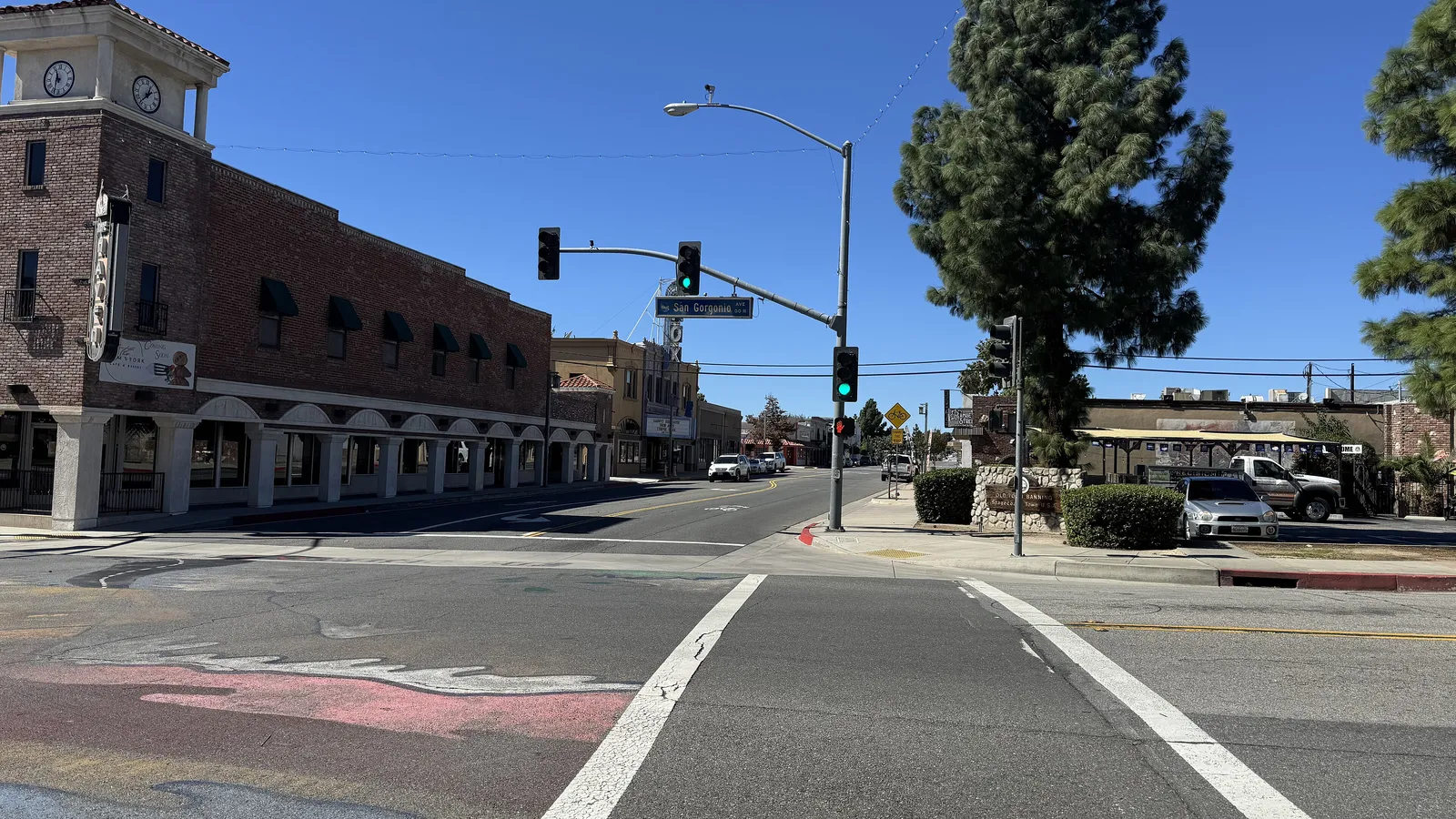
The City of Banning submitted five eligible census tracts to California’s Governor’s Office of Business and Economic Development for Opportunity Zone 2.0 consideration, filing July 1 — nearly three weeks ahead of the state’s July 20 local deadline — after its economic development committee reviewed the recommended tracts on June 25. Economic Development Manager Marisel Lopez put the stakes plainly for the Riverside County city: “We have not been awarded anything,” she said, calling the list a recommendation, not a final decision. That caution is well placed. GO-Biz has already shown it will cut local requests — it trimmed roughly three-quarters of neighboring Kern County’s 27 submissions from its draft list — and California has room for only about 618 nominations out of 2,469 eligible tracts under the 25% cap. The state’s draft list carries a public comment period running August 3–28, with final recommendations due to the U.S. Treasury by September 28 and any zones taking effect January 1, 2027.
Governor Bill Lee hosted HUD Secretary Scott Turner in Nashville to discuss “the future of Opportunity Zones in Tennessee,” the governor said, crediting the incentive with helping “unlock investment, create jobs & expand opportunity” across the state and pledging to keep working alongside HUD. The meeting landed mid-decision for Tennessee: 507 of the state’s census tracts cleared the statutory income and poverty thresholds, and Treasury’s final list later designated 128 of them, 72 rural, with zones effective January 1, 2027. Turner chaired the White House Opportunity and Revitalization Council during the first Trump administration, making him the administration’s most closely identified official with the program — and his presence as a governor finalizes a slate is a signal of how much federal attention the second round of designations is drawing. Tennessee Economic and Community Development is running the state’s process; local proposals have already surfaced in Hamilton County, where Chattanooga officials pushed three Rossville Boulevard tracts with a local incentive package attached.
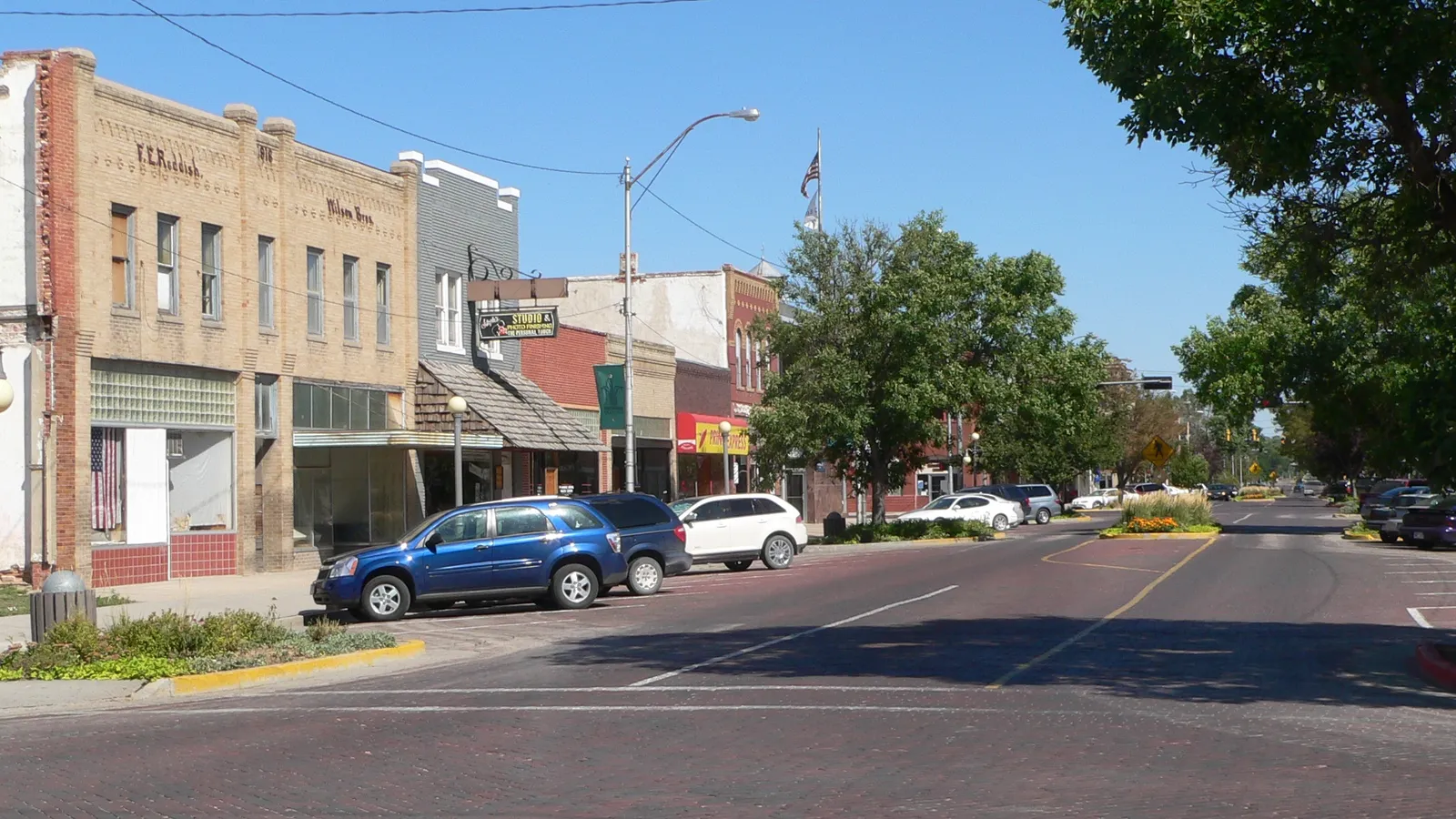
The City of Alliance is among the 28 census tracts Governor Jim Pillen nominated statewide for Qualified Opportunity Zone status — a selection local officials say could open the door to private investment in housing, industrial development, retail, medical facilities, and redevelopment now that Treasury has designated (<a href="https://home.treasury.gov/news/press-releases/sb0682" target="_blank" rel="noopener nofollow">Treasury sb0682</a>, effective January 1, 2027) them. Alliance joins Scottsbluff, Lexington, and Omaha's ten tracts on Nebraska's slate, one of the first fully public state lists of the OZ 2.0 cycle; Treasury's November 5 final list designates the tracts, effective January 1, 2027.
ATTOM's Q2 2026 Opportunity Zones report finds median home prices grew year-over-year in just 46.3% of the 4,183 OZ census tracts analyzed — versus 49.8% of tracts outside the zones, which were also likelier to post double-digit gains. The property-data firm's quarterly series is one of the few consistent measures of housing performance inside the 2018 map, and this quarter's read lands as governors finalize the 2027–2036 replacement map: a reminder that zone status alone doesn't move prices, and that tract selection — the fight playing out state by state right now — determines which communities actually see investment.
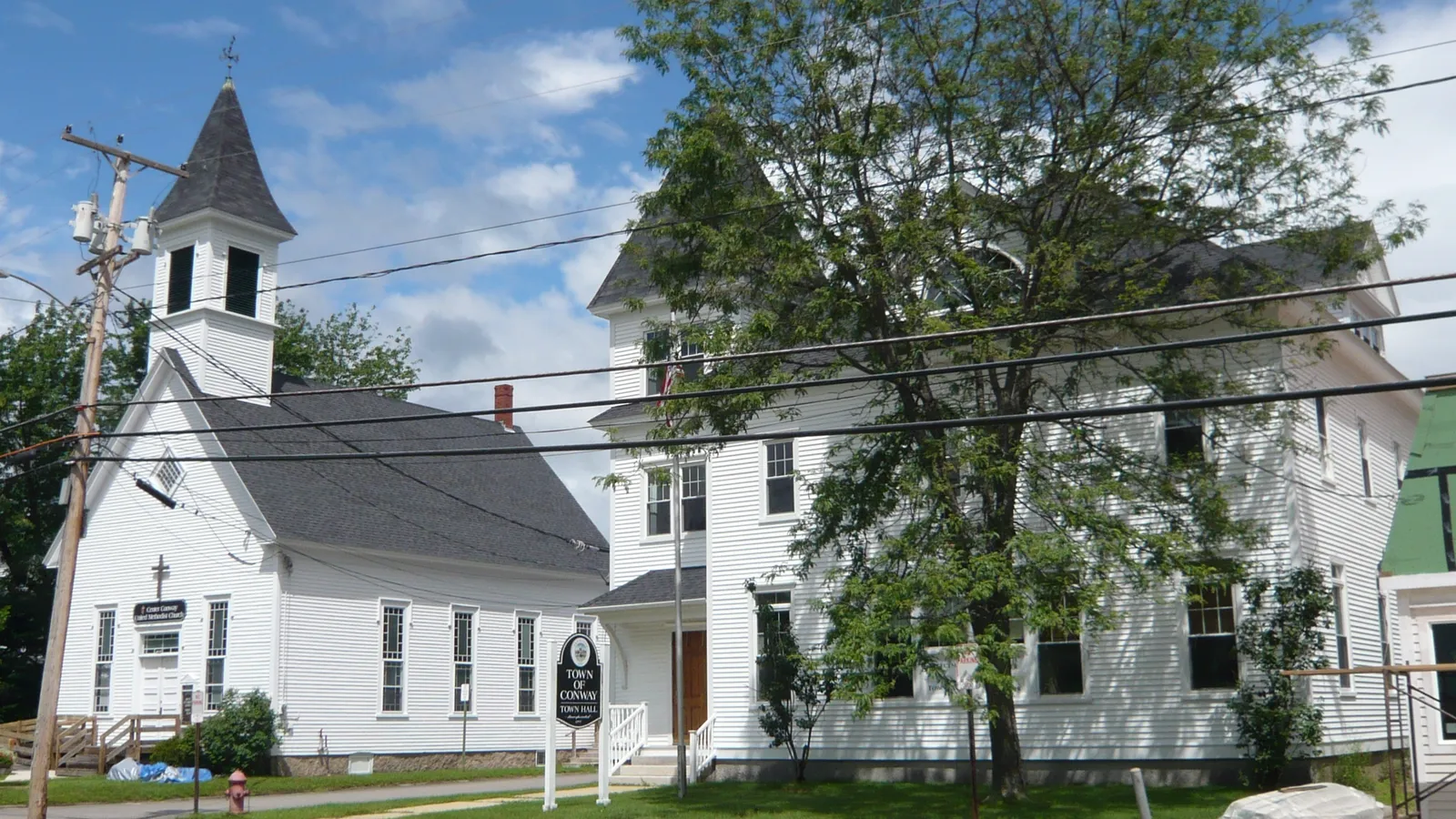
New Hampshire will select 25 of its 53 eligible census tracts for Opportunity Zone 2.0 nomination to the U.S. Treasury, and towns are now making their cases. In Conway, Town Planner Ryan O'Connor told selectmen the town has two eligible tracts — spanning areas eyed for housing and business development, including neighboring Chatham — but expects only one can realistically be chosen, forcing a local prioritization decision. The Mount Washington Valley deliberations are a window into the math facing small-state towns: with fewer than half of eligible tracts making the cut, the state-level selection is the whole game.
Trident Capital Group and O'Connor Capital Partners closed a joint venture with Clarion Partners for the third phase of Rickenbacker Industrial Center in Columbus, Ohio — a 959,579-square-foot speculative industrial facility now under construction at 1669 Rohr Road, slated for completion in Q1 2027. The 57.3-acre project sits inside a Qualified Opportunity Zone and carries a 15-year, 75% property tax abatement, with 40-foot clear heights, 104 dock doors, and direct rail access in the Rickenbacker corridor near the international cargo airport. Institutional capital at this scale committing to OZ-sited logistics is exactly the activity the program's backers point to as the 2027 cycle approaches.
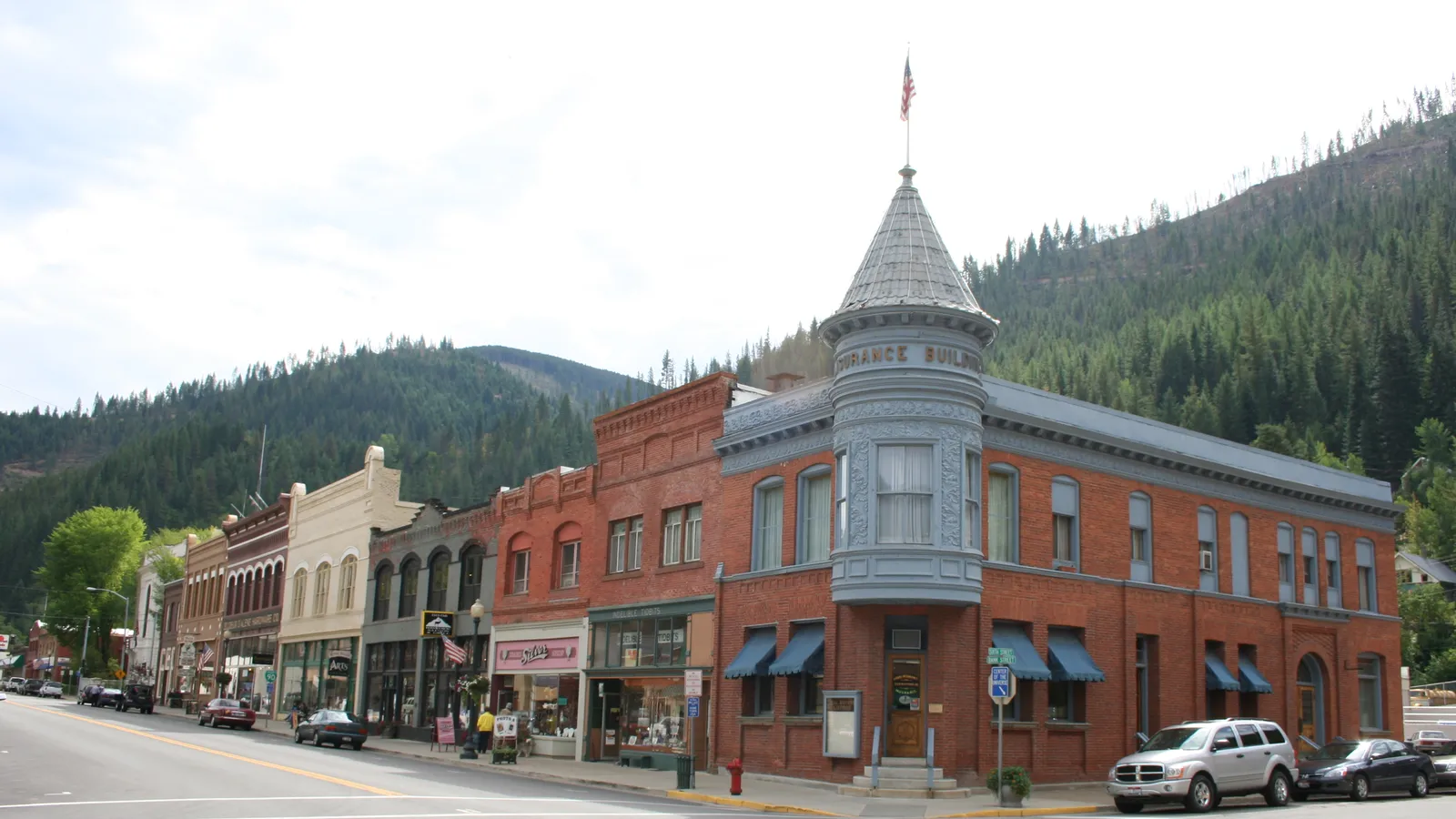
A census tract through Shoshone County's Silver Valley was among the Idaho Economic Advisory Council's top recommendations for Opportunity Zone 2.0 — one of 25 recommended to Governor Brad Little. Update, Nov. 5, 2026: Treasury’s final list (sb0682) designates Idaho’s nominated tracts as QOZs effective January 1, 2027.
California's draft Opportunity Zone 2.0 list rejects roughly three-quarters of the 27 census tracts Kern County recommended, excluding downtown Bakersfield and other urban areas that local leaders had prioritized. The state instead proposes 20 Kern tracts — 13 of which were never recommended locally — leaving stakeholders dismayed at the mismatch between county priorities and Sacramento's data-driven selections. The episode is an early look at the power dynamics of OZ 2.0: counties recommend, but governors decide, and California's draft signals the state is optimizing to its own criteria over local wish lists ahead of the September federal deadline.
Commercial Observer reports New York State has roughly 1,702 census tracts qualifying under OZ 2.0's tightened income and poverty thresholds, of which Governor Kathy Hochul's office can nominate no more than 426 for Treasury's final list effective January 1, 2027. The piece urges local governments and stakeholders to engage Empire State Development and the Regional Economic Development Councils now rather than waiting for the late-September federal deadline, noting this round emphasizes strategic, data-driven tract selection over the 2018 process. New York's picks — especially in the five boroughs — will be among the most consequential of the cycle for institutional OZ capital.
The Rutland Redevelopment Authority established the Rutland Catalyst Fund, offering tax incentives to investors backing projects in the Vermont city's Opportunity Zone — a status Rutland has held since 2017 but which, per RRA Executive Director Sean Adkins, has gone essentially unused. The fund is tied to completing the city's downtown hotel project and aims to make the dormant OZ 1.0 zone investable before the program's transition. It's a case study in the long tail of OZ 1.0: hundreds of zones never saw a dollar of QOF capital, and local vehicles like this are one way cities are trying to change that before the map redraws.
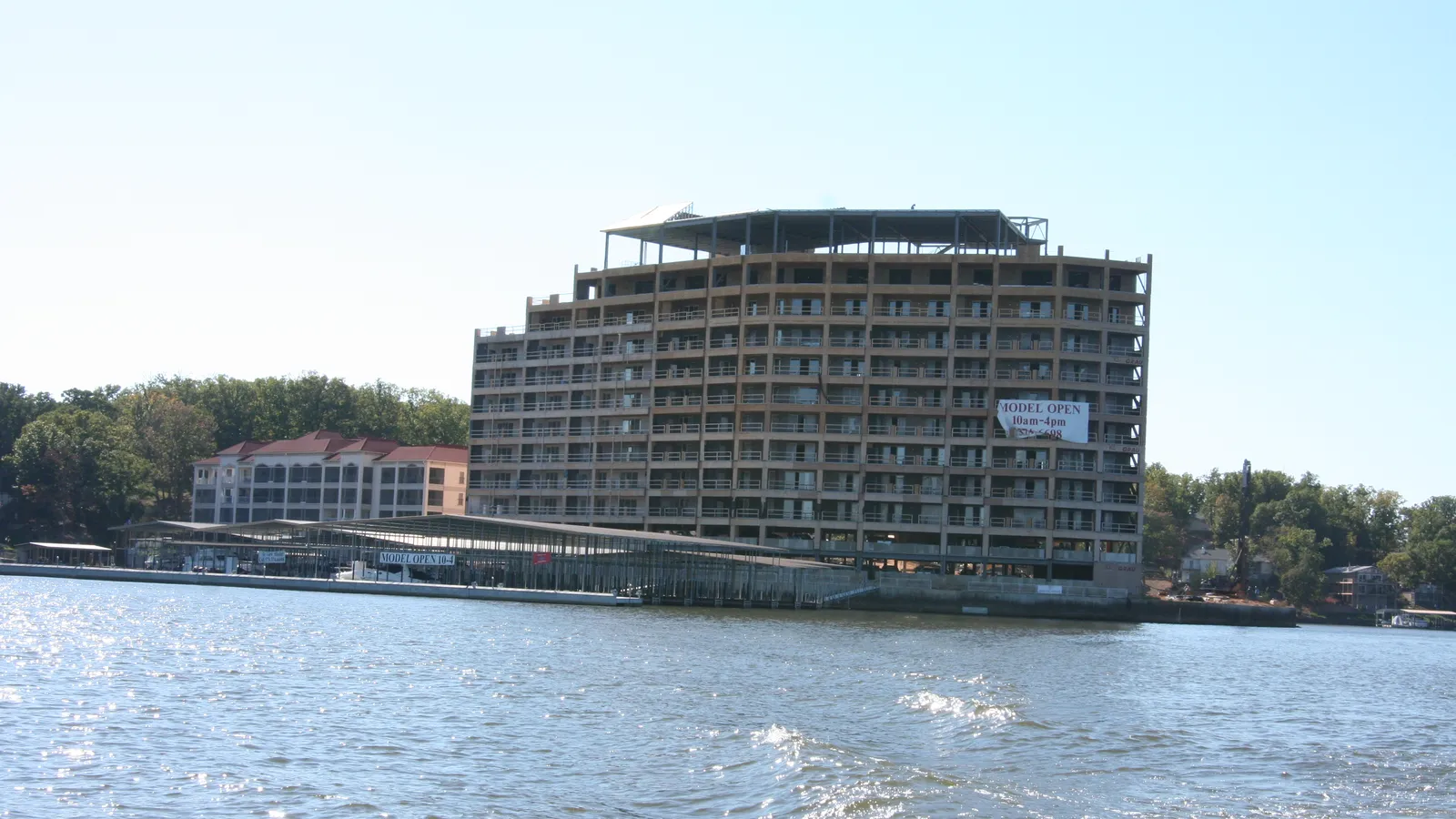
In the first outright rejection of the OZ 2.0 cycle we've tracked, Camden County, Missouri commissioners declined to recommend a Lake of the Ozarks-area tract for Opportunity Zone status after overflow crowds — more than 100 residents — turned out fearing the zone status would enable a large data-center development sought by Mo Lake Development. The backlash spread: Camdenton's Board of Aldermen rescinded its earlier letter of support and passed a 12-month data-center moratorium, State Rep. Jeff Vernetti withdrew his backing, and the developer ultimately ended its annexation agreement with the city. A reminder that Opportunity Zones are locally contested — and that data-center opposition is becoming a real constraint on where OZ capital can land.
Charleston, Missouri is pursuing Opportunity Zone status to attract long-term private investment and redevelopment, hiring economic-development consultancy KBS Group to guide the effort. KBS principal Shad Burner — who also advises Cape Girardeau's six-tract bid — said the zone's federal capital-gains incentives make communities more attractive to developers. Charleston joins a widening set of southeast Missouri communities feeding the state's OZ 2.0 nomination process ahead of the fall federal deadline.