U.S. Housing and Urban Development Secretary Scott Turner visited Hazle Township, Pennsylvania to spotlight the federal Opportunity Zone program, joining Rep. Rob Bresnahan and local officials for a roundtable on the CrossRoads Project along Route 424. The roughly $500 million redevelopment is turning former mine-scarred land into a hub for advanced manufacturing and logistics, with seven buildings under construction. Turner cited HUD figures crediting Opportunity Zones with nearly $100 billion in investment, more than 500,000 jobs, and over 400,000 homes nationally. Local leaders also raised the Greater Hazleton area's housing shortage and overcrowding.
San Rafael, California is weighing whether to nominate its Canal district for Opportunity Zone 2.0 status — one of five eligible census tracts in the city (three in the Canal/Southeast area, one Downtown, one near Andersen/Woodland). Officials describe the incentive as a double-edged sword: it could draw investment to an economically distressed area but also accelerate displacement in the heavily immigrant Canal neighborhood. The City Council is weighing a temporary urgency ordinance that would bar 'substantial rehabilitation' as a cause for permanent eviction and require relocation assistance for affected tenants. California localities submit recommendations to GO-Biz; Treasury finalizes nominations in November, with the new map effective January 1, 2027.
A National Law Review analysis frames IRS Notice 2026-40 as 'closer to a reset than an extension' for existing Opportunity Zone investments, warning that timing and documentation now matter far more than in the program's early years. The December 31, 2026 deadline to recognize deferred gains still stands; if a sale triggers gain at the fund level, reinvesting into a new QOF within 180 days preserves the deferral but resets the 10-year clock — trading away the program's signature tax-free-appreciation benefit. Operating projects that acquire property after 2026 must finalize a written working-capital plan by year-end and meet specific thresholds; routine maintenance qualifies, but new phases or adjacent expansion generally will not. The takeaway for OZ 1.0 investors: finalize exit and reinvestment plans now.
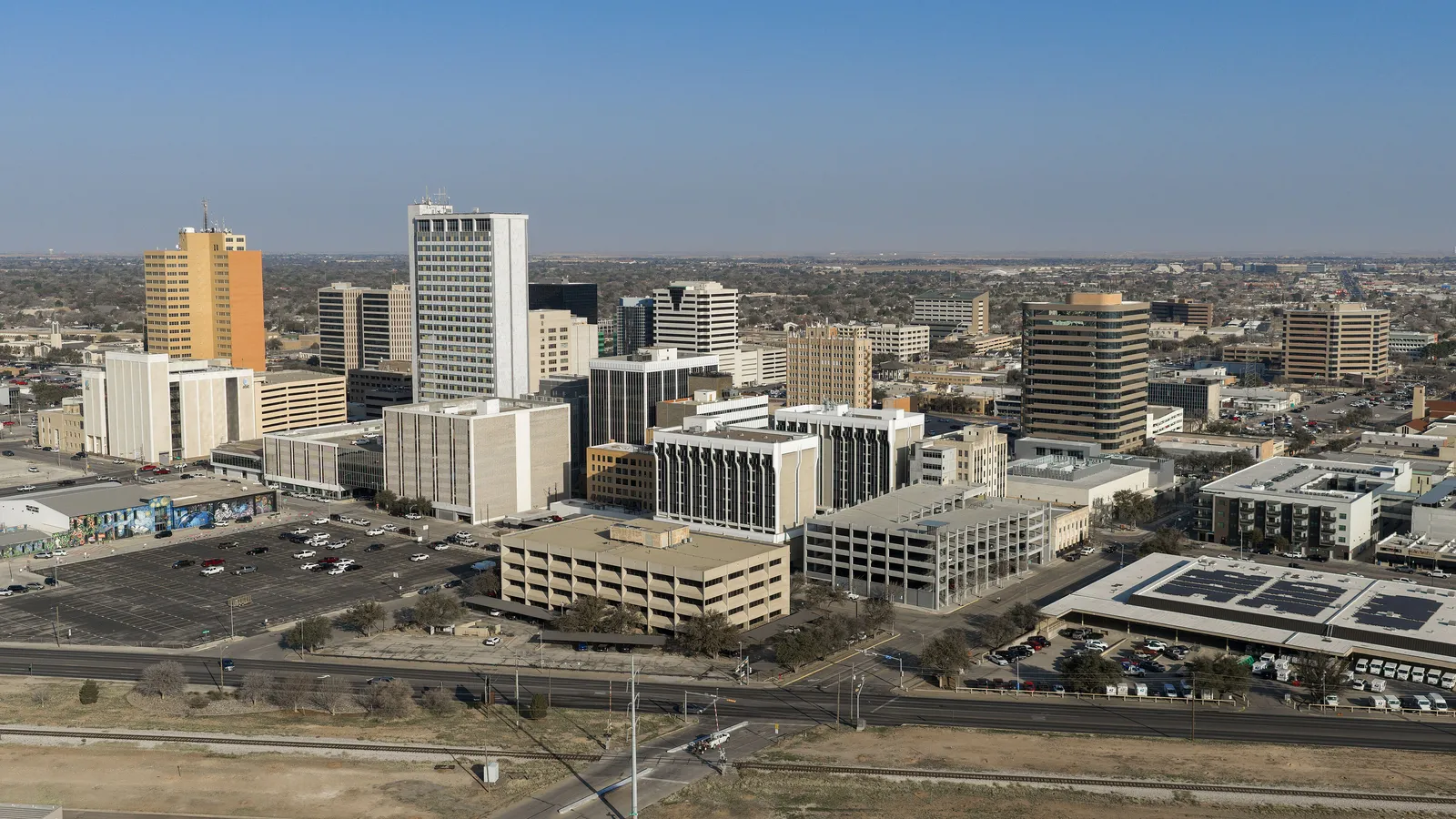
The Midland Development Corporation is backing an application to nominate eligible Midland, Texas census tracts as Opportunity Zones under the OZ 2.0 program, following the City Council's June 23 vote to ask Gov. Greg Abbott to nominate the city's tracts. The MDC will file the application; the governor forwards nominations to the U.S. Treasury for Treasury's final list, with any new zone taking effect January 1, 2027. Midland County received no Opportunity Zones in the original 2018 round, so a zone this cycle would be the county's first.
The Arkansas Economic Development Commission has opened nominations for the state's next round of Opportunity Zones, framing OZ 2.0 as a tool to spur private investment in economically distressed and rural communities through federal tax incentives. Under the 25% state cap, Arkansas can nominate up to 78 zones, which Governor Sarah Huckabee Sanders will forward for Treasury's final list; the state's first round produced 85 zones. Sanders said Opportunity Zones are transforming communities across the country and that she is eager to see investment reach the parts of Arkansas that need it most. Communities apply through the AEDC ahead of the state's nomination deadline.
The U.S. Treasury Department formally opened the Opportunity Zone 2.0 nomination cycle on July 1, 2026. Governors now have 90 days, with a single 30-day extension available, to nominate eligible census tracts drawn from the 25,332 low-income community tracts nationwide, including territories, identified in Revenue Procedure 2026-14 — 8,334 of them entirely rural. By law, no state may nominate more than 25% of its low-income community tracts. The new Opportunity Zones take effect January 1, 2027 and run through December 31, 2036. The move operationalizes the permanent OZ program enacted under the One Big Beautiful Bill Act, which renewed the incentive, added enhanced benefits for rural investment, and established a 10-year nomination cycle.
Steubenville officials are weighing which part of the city to put forward for Opportunity Zone status, with four eligible census tracts on the table and a July 10 deadline to decide. City leaders laid out the options at an economic development meeting, framing the zone status as a way to open the door to new private investment. Second Ward Councilman Tracy McManamon said the city is gathering as much information as possible before choosing. Steubenville's pick feeds Ohio's statewide OZ 2.0 nomination process.
Charles County, Maryland has ranked its Opportunity Zone 2.0 recommendations, putting two Waldorf tracts and one in Newburg at the top of its five eligible census tracts. The Waldorf tracts sit within the county's Waldorf economic opportunity zone near Route 301 and Old Washington Road, while the Newburg focus is development near the Morgantown Generating Station along the Route 301 corridor. Maryland counties can submit nominations through August 7, and the governor must forward up to 113 tracts to the U.S. Treasury by September 28. Zones take effect January 1, 2027.
Madison Capital Group has launched Madison Reno Hotel QOF, LLC, a Qualified Opportunity Fund seeking about $36.2 million from accredited investors to reposition the former Harrah's Resort and Casino in downtown Reno into a 292-room hotel. The property anchors Reno Revival, a 1.3 million-square-foot mixed-use redevelopment spanning multifamily, retail, office, and entertainment. CEO Ryan Hanks pointed to Reno's demographic trends, tourism demand, and business migration as the thesis, framing the fund as a tax-advantaged way to back a transformative hospitality asset. It is one of the first new QOF launches to surface as the OZ 2.0 era begins.
The Wabash River Regional Development Authority board voted to pursue Opportunity Zone incentives for federally eligible census tracts across its west-central Indiana region — Clay, Knox, Parke, Sullivan, Vermillion, and Vigo counties. The RDA framed Opportunity Zones as a tool to draw private capital for economic development, jobs, housing, and revitalization in the low-income region. Specific tract nominations are still to come, with Indiana's statewide submission deadline set for July 17. The move aligns the multi-county authority with the state's broader OZ 2.0 push.
Indiana has opened its Opportunity Zone 2.0 nomination window, with the public able to submit recommendations through July 17, 2026. The Indiana Economic Development Corporation is running the process; of 501 eligible census tracts statewide, Governor Mike Braun will forward up to 126 for Treasury's final list. State officials say the revamped program leans harder into rural communities and adds accountability measures and stronger incentives to pull private capital into distressed areas. The new zones would take effect January 1, 2027 and run for 10 years.
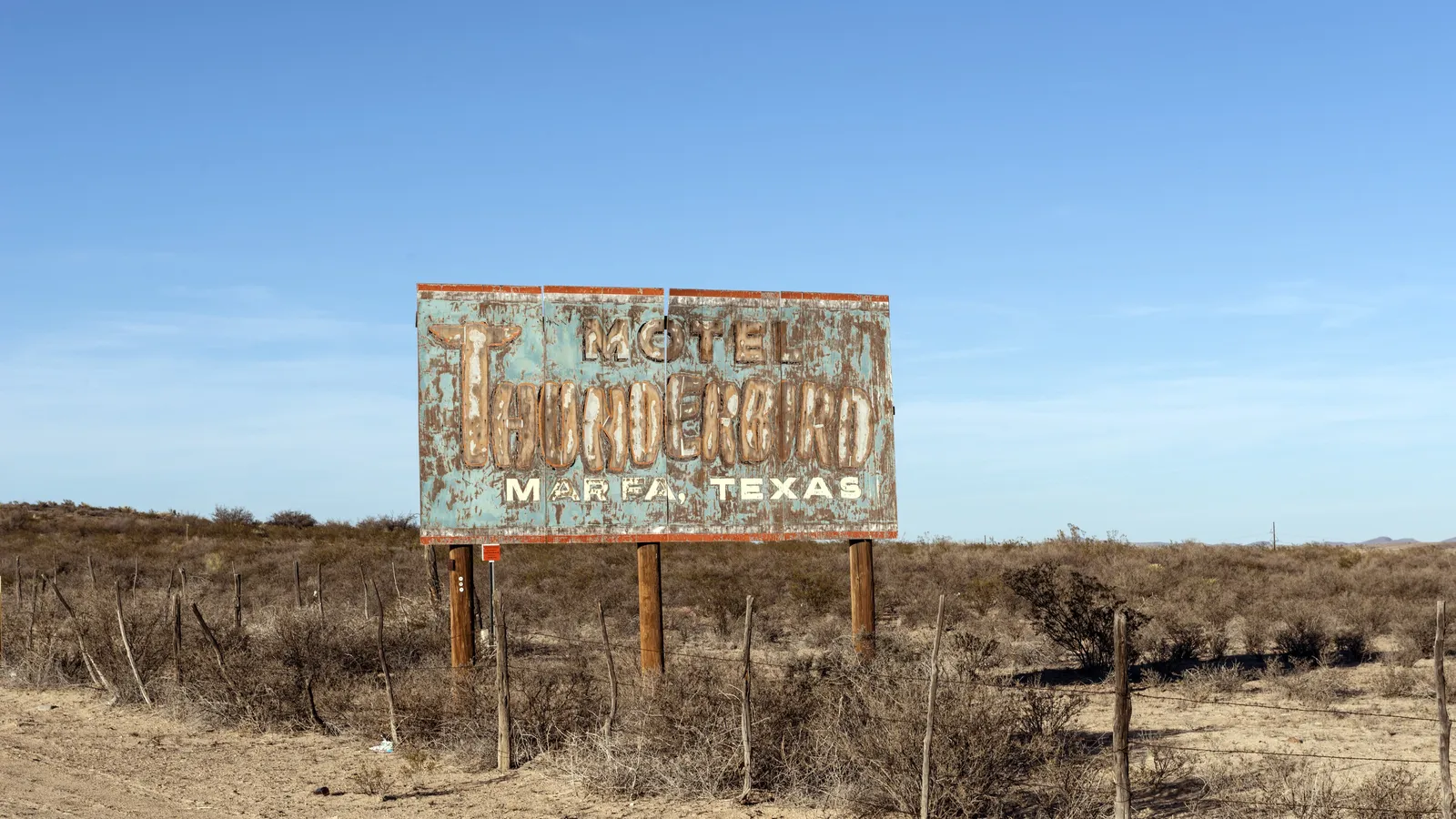
Presidio County commissioners in far West Texas voted to apply for Opportunity Zone status to draw private investment to the rural border county through federal capital-gains tax incentives. As county officials noted, the zone status brings no direct grant money and requires no local tax abatement or county funding — the benefit flows to investors who deploy capital gains through qualified opportunity funds into those tracts. Texas' new OZ 2.0 zones take effect January 1, 2027 and run for 10 years. The vote came alongside the county's extension of a local disaster declaration tied to New World screwworm concerns.
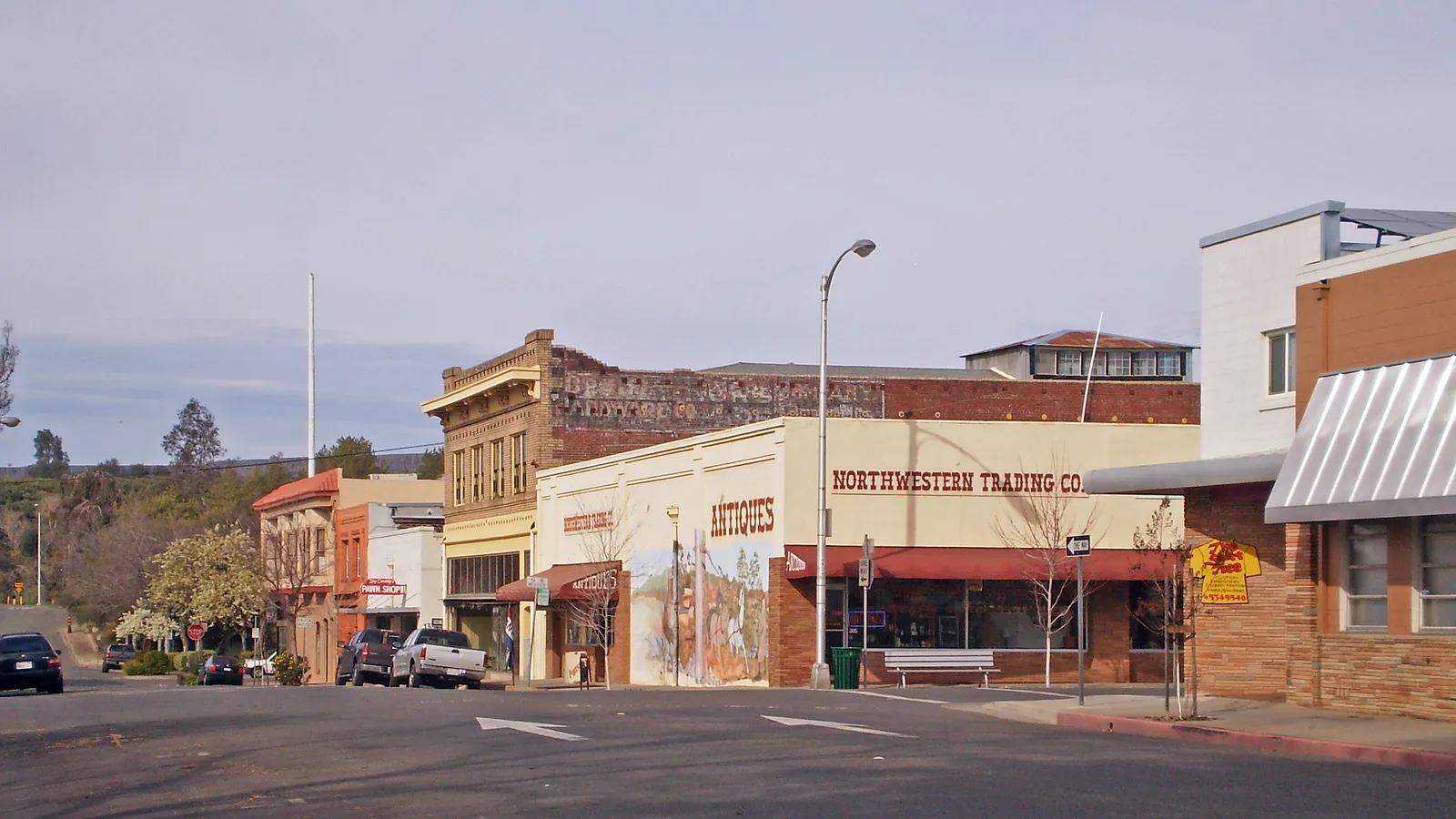
The Butte County Board of Supervisors voted to recommend Census Tract 24-02, running from Berry Creek east to the county line, for nomination under California's Opportunity Zones 2.0 program. Deputy Chief Administrative Officer Katie Simmons said the move is meant to spotlight the wildfire-affected Berry Creek area for private investment from corporations and individuals with capital gains to redeploy. County staff had also floated eligible rural tracts in Magalia and Butte Valley, but supervisors advanced Tract 24-02. California local governments have until July 25 to submit recommendations to the Governor's Office of Business and Economic Development (GO-Biz); zones would take effect January 1, 2027.
Wyoming's Opportunity Zones 2.0 Working Group, convened by Governor Mark Gordon, will host a public webinar on July 14 (noon to 1 p.m. MDT, via Zoom) to walk stakeholders through the differences between the legacy OZ 1.0 program and the new OZ 2.0 framework and to gather input on the state's census-tract selections. The session, led by Connor Christensen of the Wyoming Business Council and Seth Ulvestad from the governor's office, targets county commissioners, mayors, tribal leaders, economic developers, and project sponsors, and will cover the tightened federal income thresholds, the enhanced rural incentive, and infrastructure data collection. It lands as the federal nomination window opens July 1, with states' recommendations due to the U.S. Treasury by September 28, 2026.
A provision in the bipartisan 21st Century ROAD to Housing Act, authored by Rep. Ro Khanna, would direct Opportunity Zone resources toward converting vacant office and commercial buildings into housing. It would give HUD authority to give extra weight to grant applications for projects inside qualified Opportunity Zones and authorize a blighted-building-to-housing conversion pilot under the federal HOME program to help close the gap between conversion costs and finished-home values. Advocates in San Francisco, where roughly 30 million square feet of downtown office space sits underused, see the tools as a way to make stalled conversions pencil out. The July 1 governor nomination window will determine which tracts, and which conversion projects, can tap the funding.
Otter Tail County is backing Opportunity Zone 2.0 bids for two Minnesota cities, Perham and Fergus Falls, to spur housing and economic development in lower-income tracts. A 2025 housing needs analysis put Perham's median household income at about $51,944, roughly 30% below its surrounding market, and identified demand for more than 1,200 additional housing units. County commissioners prioritized Fergus Falls' application ahead of Perham's, though Commissioner Wayne Johnson said the county will work to win Opportunity Zone status for both communities ahead of the state's nomination deadline.
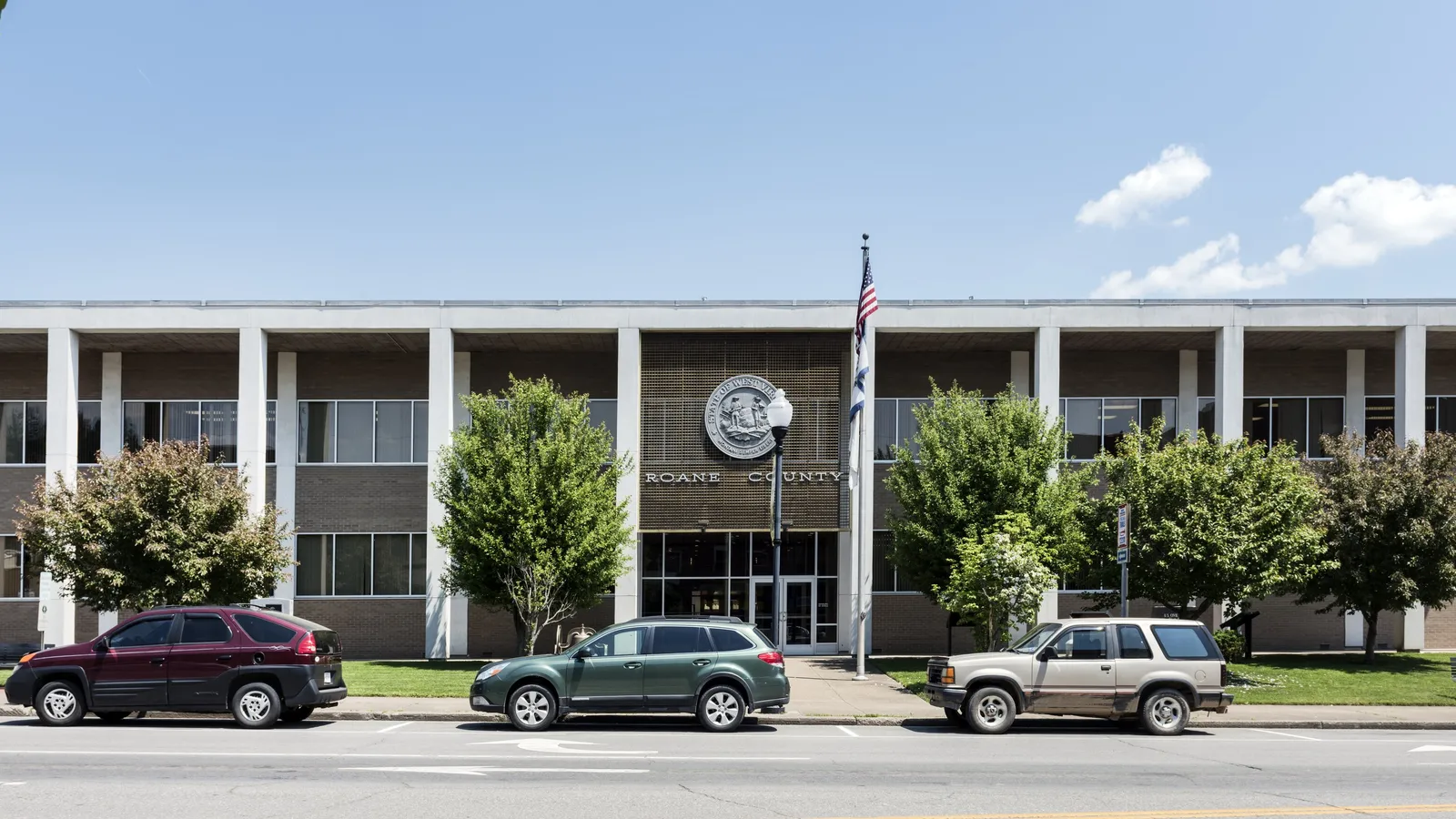
Leaders from the Roane County Economic Development Authority attended a state onboarding meeting in Charleston to coordinate the county's push for Opportunity Zone 2.0 status with West Virginia agency officials. The session was aimed at aligning local nominations with the state process ahead of the federal nomination window. The effort continues Roane County's campaign to win OZ status as a tool to attract capital-gains-deferred investment to the rural county.
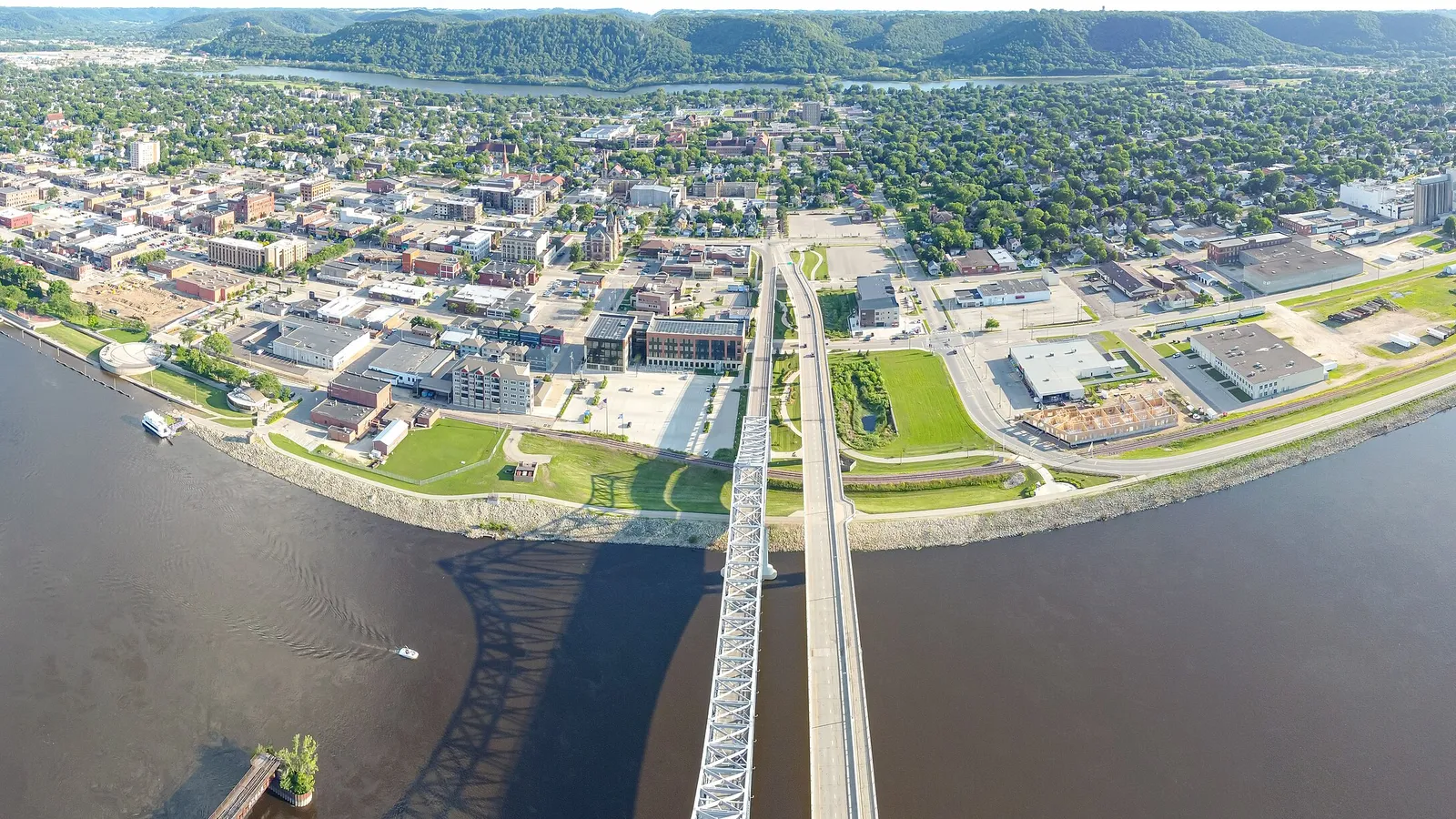
The City of Winona, Minnesota is applying to nominate two census tracts as Opportunity Zones under the OZ 2.0 program: a downtown tract that extends south to Lake Winona and takes in Winona State University, and an East End tract covering industrial parks and major retailers. Development Coordinator Nick Larson said the city is building on its first Opportunity Zone, which it credits with 43 new jobs, more than $250,000 in added local property taxes, and $18 million in increased property values. Applications to the governor are due June 30, with state recommendations to the federal government by the end of September and final zones expected by year-end. A third eligible tract was left out of the city's submission.
The Treasury Department and IRS issued Notice 2026-40 on June 18, 2026, announcing their intent to issue proposed regulations for Qualified Opportunity Zones under Internal Revenue Code sections 1400Z-1 and 1400Z-2 as amended by the One Big Beautiful Bill Act. The notice provides transitional rules in four areas while formal regulations are drafted: how the new OZ 2.0 zones work under section 1400Z-1; investor treatment of gains realized on or before December 31, 2026 versus invested on or after January 1, 2027 (including inclusion-event gain); rules for tangible property a fund acquires after December 31, 2026 in tracts that were zones under the 2017 law but not finalized again under OBBBA; and compliance tests once a zone's zone term ends. Treasury said the final regulations are expected to apply to tax years ending after June 18, 2026 — making this the most consequential federal OZ guidance since OBBBA was enacted, and the framework fund sponsors and investors will plan the 2026-to-2027 transition around.
The Ohio Department of Development has opened its nomination window for the federal Opportunity Zones 2.0 program, with Director Lydia Mihalik announcing the period and giving local stakeholders until 4 p.m. on July 10, 2026 to submit census-tract nominations. Ohio joins the wave of states formalizing OZ 2.0 selection ahead of the federal governor window; the state has roughly 1,032 eligible tracts.